
 Oil On CanvasWallArtEarly Netherlandish Renaissance
 1546Renaissance
 262.0 x 123.0 cm
 フランス・ハルス美術館
迅速な制作と多彩な仕上げオプションを備えた、ミュージアムクオリティのジークレーまたはキャンバスプリント。 ( 手描きの絵画を購入 デジタル画像販売へ切り替え)





























作品のオリジナル比率に合わせた、当店の規定サイズからお選びください。

特定のフレームやスペースに合わせて、ご自身でサイズを指定することも可能です。選択されたサイズが元の画像の比率と一致しない場合、作品をトリミングするか、鏡面反射または単色での塗りつぶしによって画像を拡張いたします。制作を開始する前に、ご確認用のデジタルモックアップをお送りいたします。
画面上のプレビューには、実際のトリミングや拡張は反映されませんのでご注意ください。最終的な構図を正確に確認できるのは、モックアップのみとなります。
カスタムサイズも承っておりますが、元の比率を維持するためには、あらかじめ用意されたリストからサイズを選択することをお勧めいたします。

Annunciation
複製画のサイズ
This exquisite rendition of the Annunciation, dating from 1546, offers a profound meditation on faith and divine revelation, masterfully executed by the Dutch painter Maerten van Heemskerck. Measuring 262 x 123 cm, this work transcends a simple biblical narrative; it’s a carefully constructed dialogue between earthly humility and celestial grace. Van Heemskerck, born in 1498, was already establishing himself as a pivotal figure bridging the stylistic currents of the Low Countries with the burgeoning influence of Italian Renaissance humanism. The painting's power lies not just in its subject matter – the angel Gabriel’s announcement to Mary that she will conceive and bear Jesus – but in the nuanced execution and innovative compositional choices that define Heemskerck’s distinctive style.
What immediately captivates the viewer is the painting's ingenious use of perspective. Van Heemskerck presents two distinct viewpoints within a single scene, creating a dynamic and almost unsettling effect. Mary is depicted both from a frontal view, embodying her receptive posture and devout contemplation, and from behind, suggesting a vulnerability and openness to the divine. This dual representation elevates the Annunciation beyond a static depiction of an event; it becomes a visual exploration of how revelation can be perceived – simultaneously seen and felt. The inclusion of a bird in flight, subtly positioned near the upper left corner, adds another layer of symbolic richness, representing the messenger of God and perhaps alluding to the swiftness with which divine news travels.
Van Heemskerck’s technique is characterized by meticulous detail and a remarkable ability to render textures with astonishing realism. The smooth, almost porcelain-like quality of Mary's skin contrasts sharply with the richly textured drapery, demonstrating his mastery of oil paint. His style reflects a fascinating synthesis of Dutch and Italian artistic traditions. He inherited from Jan van Scorel the influence of Italian Renaissance artists like Leonardo da Vinci, particularly in his use of sfumato – that subtle blurring of lines to create an atmospheric effect – while simultaneously maintaining a distinctly Dutch sensibility regarding realism and detail. The precise rendering of the angel’s features, combined with the delicate handling of light and shadow, speaks to a deep understanding of both artistic principles.
The Annunciation is replete with symbolic meaning. Mary's kneeling posture signifies humility and obedience before God. The outstretched hand of the angel represents divine grace and the offering of salvation. The setting, though somewhat ambiguous, likely evokes a sense of serene contemplation – a space for prayer and reflection. Van Heemskerck’s ability to imbue this religious scene with such profound emotional resonance is a testament to his artistic skill and his deep understanding of human faith. This painting isn't merely a representation of an event; it’s an invitation to contemplate the mysteries of life, faith, and redemption.

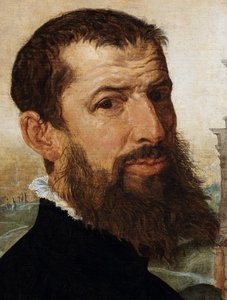
1498 - 1574 , オランダ

Master the nuances of Giclée printing with our expert guide. Discover how pigment-based inks and museum-grade substrates create fade-resistant, high-fidelity art reproductions designed for discerning collectors seeking unparalleled quality and longevity.

Discover museum-quality Giclée paper prints at WahooArt. Elevate your space with archival, pigment-based reproductions of the world's greatest masterpieces. Affordable, elegant, and designed for lasting beauty. Start curating your timeless art legacy today.


 プレビュー
プレビュー
 シェアする
シェアする シェアする
シェアする
 詳細を見る
詳細を見る ガイド
ガイド

 ダウンロード
 似ている作品
 X線調査
X線調査 スライドショー
 統計情報
統計情報 詳細を見る
詳細を見る









 ガラスオプションは、110cm未満のサイズでのみご利用いただけます。


