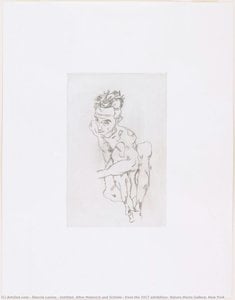
DrawingWallArtContemporary Realism
 1956Modern
 16.0 x 22.0 cm
 Museu de Valores do Banco Central do Brasil
当社のアーティストが、お客様のご希望のサイズと額縁に合わせて、キャンバスに手描きで制作する油彩画です。 ( プリント版に切り替え デジタル画像販売へ切り替え)





























作品のオリジナル比率に合わせた、当店の規定サイズからお選びください。

特定のフレームやスペースに合わせて、ご希望のサイズをご入力いただけます。選択されたサイズが元の画像の比率と異なる場合、アートワークをトリミングするか、手描きで要素を追加して絵画を拡張いたします。デジタルモックアップ を制作し、制作開始前にご確認(承認)をいただきます。
画面上のプレビューは、実際のトリミングや拡張を正確に反映しているものではありません。最終的な構図は、モックアップによってのみ正確にご確認いただけます。
カスタムサイズもご利用いただけますが、元の比率を維持するためには、あらかじめ用意されたリストからサイズを選択することをお勧めいたします。

On stage
複製画のサイズ
In the evocative black and white drawing On stage, created in 1956, Maciej Antoni Babinski invites the viewer into a profound moment of theatrical vulnerability. The scene captures a group of figures poised upon a stage, their bodies rendered with a striking lack of adornment that suggests both the nakedness of the human condition and the exposed nature of performance. Through meticulous line work, Babinski orchestrates a complex dance of gazes; some figures are locked in silent dialogue with one another, while others stare into the void, lost in internal monologues. This interplay of sight and averted eyes creates a palpable tension, transforming a simple stage setting into a psychological landscape where the boundaries between the performer and the persona begin to dissolve.
The technical mastery displayed in this piece lies in Babinski’s ability to use monochrome tones to sculpt form and emotion. Without the distraction of color, the viewer is forced to confront the raw textures of skin, the weight of limbs, and the subtle shifts in facial expressions that convey deep-seated anxieties or quiet contemplations. The artist utilizes a detailed approach characteristic of his Polish roots, yet infuses it with an experimental spirit that pushes toward the surreal. Each stroke serves to heighten the dramatic atmosphere, making the stage feel less like a physical platform and more like a metaphorical arena where the subconscious is laid bare for all to witness.
Deeply influenced by the psychological currents of his era, particularly Freudian psychoanalysis, Babinski utilizes On stage as a vessel for exploring archetypal themes. The stage itself serves as a powerful symbol for the social masks we wear in daily life—the "performance" of identity. By depicting figures in a state of near-nudity, the artist strips away these societal layers, leaving only the essential, often uncomfortable, truth of the human psyche. This piece resonates with collectors who appreciate art that transcends mere decoration to offer a window into the complexities of consciousness and the tension between our public facades and our private, primal selves.
For the discerning interior designer or art enthusiast, this work offers an unparalleled emotional depth. It is a piece that demands attention and invites prolonged study, making it a sophisticated centerpiece for a gallery-style collection or a contemplative corner of a modern living space. The starkness of the black and white medium allows it to integrate seamlessly into various high-end aesthetics, from minimalist contemporary settings to more classical, academic environments. Owning a reproduction of such a profound work is not merely about acquiring an image; it is about bringing a piece of psychological history and intense artistic expression into one's personal sanctuary.

マチェイ・アントニ・バビンスキーの生涯は、移住という経験がもたらす変容の力と、人間の精神が持つ不屈の回復力を物語る深い証左といえます。1931年、ポーランドのポズナンに生まれた彼の幼少期は、20世紀半ばのヨーロッパを吹き抜けた激動の風によって形作られました。第二次世界大戦の勃発により、家族はイギリスへの移住を余儀なくされましたが、この経験は後に彼の芸術的意識における基礎的な層となりました。イギリスからカナダのモントリオール、そして最終的にはブラジルへと至る、彷徨いと再定住のプロセスは、単に彼の地理的な居場所を変えただけではありません。それは、彼の創造的な語彙そのものの境界を押し広げたのです。出会うたびに新しく展開される風景や文化は、彼にとって触媒となり、ヨーロッパの伝統と新世界における実験精神が融合した、独自の色彩を作品に吹き込みました。
バビンスキーが芸術家としての歩みを固めていく中で、彼は単なる画家や版画家としてではなく、一種の「視覚的な哲学者」として立ち現れました。ポーランドでの初期の修行は、彼に古典的技法の厳格な習得をもたらしましたが、彼の真の個性を決定づけたのは、20世紀半動期の多様な芸術潮流との邂逅でした。カナダではポール=エミール・ボルドゥアを中心とする抽象運動と関わり、ブラジルでの長期滞在においては、アウグスト・ロドリゲスやオズワルド・ゴエルディといった巨匠たちが放つグラフィックな強烈さと共鳴しました。これらの多種多様な影響は、一つの驚くほど独創的なスタイルへと結実しました。それは、人間の潜在意識という未踏の領域を地図に描き出そうとする、シュルレアリスムと表現主義の融合なのです。
バビンスキーの作品に出会うことは、現実と夢の境界が溶け去る空間へと足を踏み入れることに他なりません。彼の全作品に共通しているのは、心理的な深淵への強烈な執着であり、しばしば白と黒の鮮烈なコントラストを用いることで、実存的な緊張感を呼び起こします。彼は線や形態を、単に対象を描写するためだけではなく、内なる存在の状態を伝えるための手段として巧みに操ります。魂を揺さぶるほど緻密なエッチングであれ、鮮やかな抽象的水彩画であれ、そこには脈動する動きと不安が肌に触れるような感覚として存在しています。彼による形態の歪曲は決して恣意的なものではなく、構図の感情的な重みを増幅させるための意図的な道具であり、観る者を恐怖、渇望、そしてアイデンティティという複雑な問題へと対峙させるのです。
彼の作品に宿る象徴性は、しばしば原型的なイメージから引き出され、個人的な経験と普遍的な真実との間に架け橋を築きます。その表現には、しばしば以下のような要素が見て取れます。
バビンスキーのキャリアは、巨大な創造的達成と、政治的な激動による深い影響の両面によって刻まれています。ブラジリアの中央芸術研究所における教授職としての時間は、政治的迫害によって悲劇的に中断され、彼はブラジル国内での再度の移動を余儀なくされました。こうした混乱にもかかわらず、ウベルランディア連邦大学での影響力のある任期に見られるように、教育および芸術コミュニاتへの献身は揺るぎないものでした。この学術的な奉仕の期間があったからこそ、版画、挿絵、そして絵画における彼の卓越した技術は、次世代のアーティストたちへと継承されることとなったのです。
今日、マチェイ・アントニ・バビンスキーの歴史的意義は、グローバルな視点を深く個人的な芸術言語へと統合させたその能力にあります。彼の作品は、単なるポーランドやブラジルの美術史における遺物ではありません。それらは、精神(プシュケー)に対する普遍的な探求なのです。ブラジル中央銀行価値博物館の権威あるコレクションから、ブラントン美術館のホールに至るまで、彼のレガシーは響き続けています。大陸を越えて移動する人生がいかにして、人間の条件という永続的で不変の真実を語る芸術へと結実し得るのか。それを理解しようとするすべての人にとって、彼は今なお極めて重要な存在であり続けています。

1931 - , ポーランド

Elevate your most cherished memories with WahooArt’s bespoke service. We transform your personal photos into breathtaking, hand-painted black & white oil masterpieces. Experience museum-quality craftsmanship and timeless elegance for your private collection. Discover the art of legacy.

Explore the profound artistry of graphite drawing. Discover professional techniques for mastering depth, texture, and detail through a lens of art history, from classical sketches to modern masterpieces. Elevate your understanding of the pencil medium with our expert guide.

Explore the profound artistry of black and white photography. From historical mastery to the interplay of light and shadow, discover how monochrome captures timeless emotion and form through a sophisticated lens of art history.

Elevate your artistic practice with this expert guide to mastering the line. Discover advanced techniques in graphite, charcoal, and contour drawing designed for art students seeking technical precision and expressive depth in their fine art studies.


 プレビュー
プレビュー
 シェアする
シェアする シェアする
シェアする
 詳細を見る
詳細を見る

 ダウンロード
 似ている作品
 X線調査
X線調査 スライドショー
 統計情報
統計情報 詳細を見る
詳細を見る









 ガラスオプションは、110cm未満のサイズでのみご利用いただけます。