
 WatercolorWallArtRealism
 180019th Century
 23.0 x 29.0 cm
 Manx National Heritage
当社のアーティストが、お客様のご希望のサイズと額縁に合わせて、キャンバスに手描きで制作する油彩画です。 ( プリント版に切り替え デジタル画像販売へ切り替え)





























作品のオリジナル比率に合わせた、当店の規定サイズからお選びください。

特定のフレームやスペースに合わせて、ご希望のサイズをご入力いただけます。選択されたサイズが元の画像の比率と異なる場合、アートワークをトリミングするか、手描きで要素を追加して絵画を拡張いたします。デジタルモックアップ を制作し、制作開始前にご確認(承認)をいただきます。
画面上のプレビューは、実際のトリミングや拡張を正確に反映しているものではありません。最終的な構図は、モックアップによってのみ正確にご確認いただけます。
カスタムサイズもご利用いただけますが、元の比率を維持するためには、あらかじめ用意されたリストからサイズを選択することをお勧めいたします。

Onchan opposite Vicarage
複製画のサイズ
In the delicate brushstrokes of Onchan opposite Vicarage, we are invited to step into a world where time seems to have slowed to the gentle rhythm of the countryside. This exquisite painting by Lucy Emma Lynam captures a moment of profound stillness, presenting a white-walled cottage crowned with a rustic thatched roof. The scene is far more than a mere architectural study; it is an evocative window into a bygone era, where the harmony between human habitation and the natural world remains undisturbed. As the eye wanders across the canvas, one notices the soft interplay of light upon the textured thatch and the way the surrounding trees cradle the home in a protective, verdant embrace.
The composition is masterfully balanced, utilizing a sense of depth that draws the viewer into the heart of the landscape. A subtle narrative unfolds through the presence of small, quiet figures—a person standing near the doorway and another drifting toward the periphery—which lend a pulse of life to the stillness. The inclusion of a horse in the lower corner adds a touch of pastoral authenticity, grounding the scene in the agricultural reality of the period. For the collector or interior designer, this piece offers a sense of grounded tranquility, making it an ideal centerpiece for spaces designed to evoke peace, nostalgia, and a connection to heritage.
Lynam’s technique in this work demonstrates a remarkable ability to manipulate light and texture to create atmosphere. The artist employs a delicate touch, likely utilizing watercolor or fine oil glazes, to achieve the soft, diffused lighting that characterizes the scene. There is a palpable sense of airiness; the white walls of the vicarage act as a canvas for subtle shadows, preventing the structure from appearing flat or stark. Instead, the building feels integrated into its environment, reflecting the gentle luminosity of an overcast yet bright day.
The brushwork serves to emphasize the organic textures of the landscape—the ruggedness of the thatch, the leafy density of the trees, and the soft earth beneath the feet of the travelers. This attention to detail does not overwhelm the viewer but rather builds a layered sensory experience. The emotional impact is one of profound serenity; it is a painting that breathes. For those seeking to adorn a home with art that inspires contemplation, this reproduction offers a sophisticated way to introduce a sense of historical charm and pastoral elegance into a modern interior.
Created around the turn of the 19th century, Onchan opposite Vicarage serves as a poignant historical document of rural life. It captures an era before the rapid industrialization that would eventually transform the landscapes of the United Kingdom. The painting preserves a sense of "place"—a specific, localized memory of Onchan that feels both intimate and universal. Through Lynam's lens, we see the beauty in the mundane: a cottage, a horse, a quiet path.
For the discerning art lover, owning a reproduction of such a piece is an act of preserving this lost tranquility. The artwork transcends its original date, offering a timeless aesthetic that complements both classical and contemporary decor. Whether placed in a sunlit library or a quiet study, the painting acts as a meditative focal point, reminding us of the enduring beauty found in the simplest corners of our world.

1834年、アメリカのマサチューセッツ州ローウェルに生を受けたジェームズ・アボット・マクニール・ウィスラーの芸術的旅路は、まさに大西洋を横断するオデッセイ(叙事詩)でした。多様な影響を受けながら、その道のりは独自の情緒的なスタイルへと結実していきます。幼少期、モスクワへの鉄道建設に従事していた技師の父と共にロシアで過ごした短い日々は、彼の中にヨーロッパとロシア双方の美学を慈しむ心を育みました。その後アメリカへ戻り、ウエストポイント陸軍士官学校に一時在籍したものの、彼の魂は軍事的な道ではなく、芽吹き始めた芸術の世界へと強く引き寄せられていったのです。ウィスプリットの芸術的発展は、ロバート・W・ウェアによるデッサン指導から正式に始まりましたが、その真の教育は独学と、ヨーロッパ絵画の伝統への深い傾倒を通じて展開されました。とりわけレンブラントやフェルメールといったオランダの巨匠、そしてベラスケスをはじめとするスペイン・バロックの画家たちとの出会いが、彼の感性を形作っていったのです。
1855年のパリ到着は、彼の運命を決定づける転換点となりました。彼はパリの芸術界に身を投じ、「プチ・エコール」(エコール・デ・ボザール)で学び、シャルル・グレールの独立アトリエで研鑽を積みました。この環境こそが、モネやルノワールといった新進気鋭の印象派画家たちの手法に触れる機会を与えたのです。極めて重要なのは、カロルス=デュランやエドゥアール・マネといった人物たちと親交を結び、彼らの革新的な思想や技法を吸収したことでした。初期の作品である『自画像』(1857–58年)や『自然からの12のエッチング』(『フランス・セット』、1858年)には、微細な色調の変化を捉えようとする関心が、萌芽的なリアリズムとともに現れており、後の美学的探求を予感させます。また、シャルル・ボードレールやテオフィル・トレーの著作からも深い影響を受けており、彼らが追求した「美」と「感覚」への探究は、ウィスラー自身の芸術的ヴィジョンと深く共鳴していました。
ウィスラーの芸術哲学の中核をなすのは、「芸術のための芸術」という概念でした。これは当時としては極めて急進的な思想であり、道徳的あるいは物語的な内容よりも、美的な体験を優先させるものでした。彼は、教訓を与える目的で描くという当時の主流な傾向を拒絶し、芸術の主要な機能とは、色彩、光、そして形態を緻密に操ることによって、美と調和を呼び起こすことにあると主張しました。このアプローチは、抑えられたパレット、簡略化された形態、そして彼が「シンパシー(共鳴)」と呼んだ色調の関係性を重視する、独特なスタイルの確立へと繋がりました。彼の描く主題はしばしば伝統的な枠組みを避け、都市生活の情景や室内画、肖像画へと向かいました。それらは現実を写し取ることよりも、特定の情緒や空気感を捉えることに重きを置いていたのです。
この哲学が最も鮮明に現れているのが、彼の最高傑作として知られる『グレーと黒のアンサンブル No.1』(1871年)、通称『ウィスラーの母』です。発表当時は、物語性の欠如を理由に批評家から否定的な評価を受けましたが、今日ではその静かな威厳と繊細な感情の響きによって、象徴的なイメージとして讃えられています。同様に、夜の情景を描いた「ノクターン(夜想曲)」シリーズも、この美学的原則を体現しています。『ノクターン:黒と金、落下するロケット』(1872年)などの作品は、色彩と光の見事なオーケストレーションを通じて、闇が持つ空想的な質を見事に捉え、単なる列車の旅を視覚的な感覚の交響楽へと変貌させているのです。
ウィスラーの技術的な革新は、その美学的な選択に留まりませんでした。彼は版画の分野における先駆者でもあり、色調の変化や繊細なテクスチャーを強調する独自の銅版画技法を開発しました。『ノクターン:青と銀 — チェルシー』(1879年)といった彼の版画作品は、線とトーンに対する驚異的な支配力を示しており、繊細さと力強さを兼ね備えたイメージを生み出しています。また、彼は色彩印刷の技法にも実験的に取り組み、色彩理論への習熟を示す鮮やかなクロモリトグラフ(多色石版画)を制作しました。光と色の特性を緻密に研究し、科学的な原理を芸術的実践に応用したその姿勢は、同時代の多くの画家たちの中でも、彼を際立たせる特徴となりました。
ジェームズ・マクニール・ウィスラーが芸術界に与えた衝撃は、深く、そして永続的なものでした。彼は「優れた芸術」とは何かという従来の概念に挑戦し、より主観的で経験的な絵画へのアプローチを提唱しました。彼の著作や講義は、当時の美学的論争を形作る一助となり、モネ、ルノワール、そしてフィンセント・ファン・ゴッホといった画家たちにも影響を与えました。さらに、ウィスラーが重視した色調の調和と大気的な効果は、後の印象派やポスト印象派の発展への道筋をつけたのです。彼はミュンヘンのバイエルン王立美術アカデミーの名誉会員(1892年)に選出され、フランス文化への貢献が認められてレジオン・ドヌール勲章の騎士(1898年)にも叙せられました。ウィスラーの遺志は今日においても響き渡り、感情を呼び起こし、想像力を刺激し、表現の限界を超越させる芸術の力を、私たちに再認識させてくれるのです。

1834 -

Elevate your most cherished memories with WahooArt’s bespoke service. We transform your personal photos into breathtaking, hand-painted black & white oil masterpieces. Experience museum-quality craftsmanship and timeless elegance for your private collection. Discover the art of legacy.

Explore the profound artistry of black and white photography. From historical mastery to the interplay of light and shadow, discover how monochrome captures timeless emotion and form through a sophisticated lens of art history.
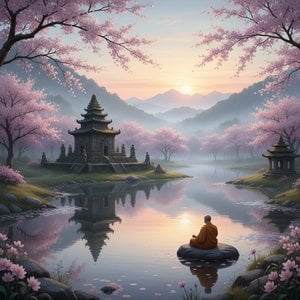
Embark on a visual journey through the world's most serene landscapes. Discover curated masterpieces of tranquil beauty, from alpine peaks to monastic stillness, and learn how to bring timeless peace into your home with expert art curation.


 プレビュー
プレビュー
 シェアする
シェアする シェアする
シェアする
 詳細を見る
詳細を見る ガイド
ガイド

 ダウンロード
 似ている作品
 X線調査
X線調査 スライドショー
 統計情報
統計情報 詳細を見る
詳細を見る









 ガラスオプションは、110cm未満のサイズでのみご利用いただけます。


