
当社のアーティストが、お客様のご希望のサイズと額縁に合わせて、キャンバスに手描きで制作する油彩画です。 ( プリント版に切り替え デジタル画像販売へ切り替え)
作品のオリジナル比率に合わせた、当店の規定サイズからお選びください。

特定のフレームやスペースに合わせて、ご希望のサイズをご入力いただけます。選択されたサイズが元の画像の比率と異なる場合、アートワークをトリミングするか、手描きで要素を追加して絵画を拡張いたします。デジタルモックアップ を制作し、制作開始前にご確認(承認)をいただきます。
画面上のプレビューは、実際のトリミングや拡張を正確に反映しているものではありません。最終的な構図は、モックアップによってのみ正確にご確認いただけます。
カスタムサイズもご利用いただけますが、元の比率を維持するためには、あらかじめ用意されたリストからサイズを選択することをお勧めいたします。

Bowl
複製画のサイズ
In the quiet intersection of utility and fine art lies this exquisite ceramic bowl, a piece that breathes with the rhythmic pulse of mid-century mastery. Created in 1977, this work serves as a profound testament to the enduring legacy of the Vienna School of Arts and Crafts, specifically channeling the spirit of Lucie Rie’s transformative influence on modern pottery. The bowl is not merely a vessel but a sculptural dialogue between the raw, elemental nature of clay and the sophisticated refinement of contemporary design. Its deep, earthy brown tones provide a grounding foundation, while the delicate blue accents dance across the surface like sudden strokes of twilight across a landscape, inviting the viewer to contemplate the balance between stability and movement.
The craftsmanship displayed in this piece evokes a sense of timelessness, reminiscent of the Asian pottery traditions that have long inspired the world's most celebrated ceramicists. Each curve of the bowl’s silhouette suggests a deliberate, meditative process, where the potter’s hands have coaxed life from the kiln's heat. The texture and color palette are masterfully balanced; the richness of the brown glaze offers a warm, tactile depth that feels both ancient and avant-garde. For the discerning collector or interior designer, this piece acts as a focal point of organic elegance, capable of anchoring a minimalist modern space or adding a layer of sophisticated warmth to a classical setting.
To behold this bowl is to connect with a lineage of artistic excellence that spans generations. The influence of the Vienna School—a movement defined by its seamless integration of functional objects into the fabric of beautiful living—is palpable in every detail. This work captures the essence of an era where the boundaries between decorative arts and high art were dissolved, replaced by a shared reverence for material integrity and formal precision. The blue accents are not merely decorative; they serve as rhythmic interruptions to the solid form, creating a visual tension that keeps the eye wandering across its surface, discovering new nuances in the glaze with every glance.
Beyond its physical presence, the bowl carries an emotional resonance of tranquility and permanence. In an age of fleeting digital imagery, there is something deeply restorative about the weight and substance of well-crafted ceramics. It embodies a sense of "wabi-sabi"—the beauty found in the imperfect, the natural, and the enduring. Whether displayed as a solitary masterpiece on a pedestal or integrated into a curated collection of fine stoneware, this reproduction offers an opportunity to bring a piece of art history into the contemporary home, providing an atmosphere of cultured serenity and unparalleled aesthetic distinction.

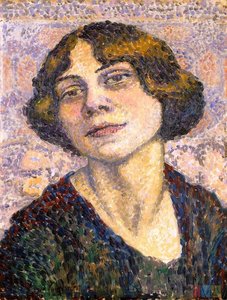
1876 - 1925 , France

Explore the profound elegance of ceramic art. From master glazes to sculptural forms, our expert guide offers discerning collectors deep insights into the mastery, texture, and timeless value of fine ceramics for sophisticated collections and luxury interiors.


 シェアする
シェアする シェアする
シェアする
 詳細を見る
詳細を見る

 ダウンロード
 似ている作品
 スライドショー
 統計情報
統計情報


 詳細を見る
詳細を見る






































 ガラスオプションは、110cm未満のサイズでのみご利用いただけます。


