迅速な制作と多彩な仕上げオプションを備えた、ミュージアムクオリティのジークレーまたはキャンバスプリント。 ( 手描きの絵画を購入 デジタル画像販売へ切り替え)





























作品のオリジナル比率に合わせた、当店の規定サイズからお選びください。

特定のフレームやスペースに合わせて、ご自身でサイズを指定することも可能です。選択されたサイズが元の画像の比率と一致しない場合、作品をトリミングするか、鏡面反射または単色での塗りつぶしによって画像を拡張いたします。制作を開始する前に、ご確認用のデジタルモックアップをお送りいたします。
画面上のプレビューには、実際のトリミングや拡張は反映されませんのでご注意ください。最終的な構図を正確に確認できるのは、モックアップのみとなります。
カスタムサイズも承っておりますが、元の比率を維持するためには、あらかじめ用意されたリストからサイズを選択することをお勧めいたします。

Madonna and Child
複製画のサイズ
Lucas Cranach the Elder's "Madonna and Child," painted in 1529, is more than just a depiction of Mary and Jesus; it’s a profound meditation on motherhood, faith, and the burgeoning spirit of the Reformation. Crafted during a period of intense religious and political upheaval in Germany, this painting stands as a testament to Cranach's remarkable ability to capture both the idealized beauty of Renaissance art and the deeply personal emotions at its core. The work immediately draws the viewer into a scene of serene intimacy – a mother cradling her child within a softly lit domestic space, yet imbued with an almost otherworldly grace.
Cranach’s Northern Renaissance style is evident in every brushstroke. He eschews the overly polished and idealized forms favored by some of his contemporaries, opting instead for a more naturalistic approach. The figures possess a tangible humanity; Mary isn't presented as an ethereal goddess but as a woman, radiating warmth and tenderness. The subtle modeling of her face, the gentle curve of her hands cradling the infant Jesus – these details speak to Cranach’s meticulous attention to detail and his deep understanding of human anatomy.
Painted against a backdrop suggestive of a simple interior—a glimpse through an open window revealing a landscape—the scene subtly reflects the shifting social and religious landscape of 16th-century Germany. The Reformation was gaining momentum, challenging established authority and fostering a new emphasis on individual faith. Cranach, a close friend to Martin Luther, skillfully incorporated elements that resonated with this evolving worldview. While rooted in traditional Marian iconography, the painting avoids overt displays of piety, instead focusing on the quiet dignity and profound love between mother and child.
The inclusion of two additional figures – a man on the left and another on the right – adds an intriguing layer of complexity to the composition. These individuals likely represent family members or attendants, suggesting a scene of domestic life within a broader social context. Their presence underscores the importance of familial bonds and community in the lives of ordinary people during this transformative era.
The painting is rich with symbolic meaning. The open window, for instance, can be interpreted as a metaphor for divine grace – a glimpse beyond the earthly realm into the realm of God. Mary’s modest attire and gentle expression convey humility and devotion. Crucially, the positioning of Jesus in her arms—close to her breast—is not merely a depiction of physical closeness but also symbolizes his intimate connection with humanity and his role as the embodiment of divine love. The use of blue pigments, particularly in Mary's robes, further reinforces this symbolism, representing purity, faith, and royalty – attributes traditionally associated with the Virgin Mother.
“Madonna and Child” by Lucas Cranach the Elder is a masterpiece that continues to captivate viewers centuries after its creation. Its enduring appeal lies in its ability to evoke a powerful sense of empathy, reverence, and hope. Reproductions of this iconic work offer an opportunity to bring this timeless image into your home or office, transforming any space with its serene beauty and profound message. It’s a reminder of the universal themes of love, faith, and family—values that resonate deeply across cultures and generations.


1472 - 1553 , ドイツ

Explore the profound precision of German Renaissance art. From Albrecht Dürer’s intricate engravings to the soulful depth of Northern Renaissance portraiture, discover a masterclass in detail, humanism, and technical mastery for the true art enthusiast.
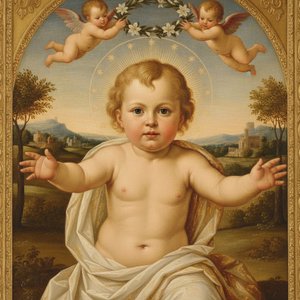
Explore the profound beauty of Baby Jesus in fine art history. From Raphael's Renaissance masterpieces to symbolic light, discover how classical painters captured divine innocence through masterful technique and sacred iconography.
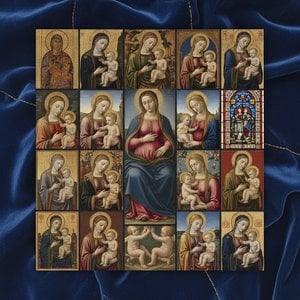
Embark on a sophisticated journey through art history with our curated guide to the most iconic Madonna and Child masterpieces. Discover the profound beauty, theological depth, and enduring legacy of these sacred Renaissance treasures.


 プレビュー
プレビュー
 シェアする
シェアする シェアする
シェアする
 詳細を見る
詳細を見る ガイド
ガイド

 ダウンロード
 似ている作品
 X線調査
X線調査 スライドショー
 統計情報
統計情報


 詳細を見る
詳細を見る









 ガラスオプションは、110cm未満のサイズでのみご利用いただけます。