x


迅速な制作と多彩な仕上げオプションを備えた、ミュージアムクオリティのジークレーまたはキャンバスプリント。 ( 手描きの絵画を購入 画像を購入)





























作品のオリジナル比率に合わせた、当店の規定サイズからお選びください。

特定のフレームやスペースに合わせて、ご自身でサイズを指定することも可能です。選択されたサイズが元の画像の比率と一致しない場合、作品をトリミングするか、鏡面反射または単色での塗りつぶしによって画像を拡張いたします。制作を開始する前に、ご確認用のデジタルモックアップをお送りいたします。
画面上のプレビューには、実際のトリミングや拡張は反映されませんのでご注意ください。最終的な構図を正確に確認できるのは、モックアップのみとなります。
カスタムサイズも承っておりますが、元の比率を維持するためには、あらかじめ用意されたリストからサイズを選択することをお勧めいたします。

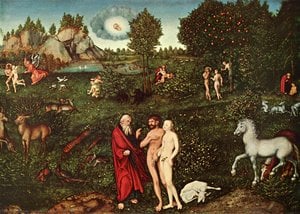
Adam and Eve
複製画のサイズ
Lucas Cranach the Elder's “Adam and Eve,” painted in 1528, is more than just a depiction of a biblical narrative; it’s a profound meditation on human fallibility, temptation, and the very essence of our relationship with nature. Executed during a period of intense religious and social transformation – the early years of the Reformation – this oil painting embodies the spirit of the Northern Renaissance, showcasing Cranach's mastery of color, composition, and psychological realism. The scene unfolds with a quiet intensity: Adam and Eve stand before the Tree of Knowledge, their nakedness a deliberate statement against the imposed shame, while Eve holds the forbidden fruit, an emblem of both knowledge and transgression. The artist’s meticulous attention to detail – from the delicate rendering of the leaves adorning their bodies to the subtle expressions on their faces – creates a palpable sense of vulnerability and drama, drawing the viewer into this pivotal moment in human history.
Cranach's skill as a painter is immediately apparent in “Adam and Eve.” He employs a vibrant, almost jewel-toned palette – deep reds, rich greens, and earthy browns – to create a visually arresting image. The artist’s brushwork is remarkably precise, particularly evident in the rendering of the figures’ musculature and the intricate details of the tree itself. He utilizes sfumato, a technique perfected by Leonardo da Vinci, to soften edges and create an atmospheric haze, adding depth and realism to the composition. This meticulous approach, combined with his understanding of light and shadow, elevates the painting beyond a simple illustration; it becomes a carefully constructed exploration of human emotion and form. The use of oil paint allowed for layering and blending, creating textures and tones that were previously unattainable with tempera.
The symbolism within “Adam and Eve” is layered and complex. The Tree of Knowledge represents not just forbidden knowledge but also the potential for enlightenment and understanding – a concept central to the Reformation’s challenge to papal authority. Eve's act of taking the fruit symbolizes humanity’s inherent desire for autonomy, even in defiance of divine command. The leaves covering Adam and Eve’s bodies are more than mere decorative elements; they represent their initial state of innocence and modesty, tragically lost through temptation. The dark background further emphasizes the figures, creating a dramatic contrast that heightens the emotional impact of the scene.
"Adam and Eve" was created during a period of immense social and religious upheaval in Europe. Cranach’s work reflects this turmoil, engaging with themes of faith, doubt, and rebellion against established authority. The painting's enduring appeal lies not only in its artistic merit but also in its timeless exploration of fundamental human questions – questions that continue to resonate today. As a cornerstone of Northern Renaissance art, it offers a powerful window into the intellectual and spiritual landscape of 16th-century Germany, and its themes of temptation and consequence remain universally relevant. This artwork’s legacy extends far beyond its original context, solidifying its place as a masterpiece of Western art history.

1472 - 1553 , ドイツ

Discover the profound allure of oil on canvas. Explore the mastery of impasto textures, the science of pigment longevity, and expert guides to selecting museum-quality reproductions that elevate your collection with timeless elegance and tactile depth.


最新の美術ニュース、限定オファー、そしてインテリアのアイデアをいち早くお届けします。
お客様のプロジェクトについてお聞かせください。当社の美術専門家が、お客様に合わせた3つのパーソナライズされた芸術提案をご提供いたします。
あなたにぴったりの3作品を無料で厳選いたします


 プレビュー
プレビュー
 シェアする
シェアする シェアする
シェアする
 詳細を見る
詳細を見る

 ダウンロード
 似ている作品
 X線調査
X線調査 スライドショー

 詳細を見る
詳細を見る









 ガラスオプションは、110cm未満のサイズでのみご利用いただけます。