

 Acrylic On CanvasWallArtLate Gothic / Early Renaissance
 1408
1408 57.0 x 43.0 cm
 メトロポリタン美術館
スピーディーな制作と多彩な仕上げオプションが魅力の、ミュージアムクオリティなジークレー・キャンバスプリント。 ( 手描きの複製画を注文する デジタル画像販売へ切り替え)





























作品のオリジナル比率に合わせた、当店の規定サイズからお選びください。

額縁や壁のスペースに合わせて、ご希望の幅と高さを入力してください。プリントはカットすることは可能ですが、元の画像より大きくすることはできないため、異なる比率のサイズを選択された場合は、画像の一部が欠けることになります。印刷を開始する前に、内容を確認していただくためのデジタルモックアップをお送りいたします。このページに表示されている画像は、実際のカット後の状態を示すものではありません。実際の仕上がりはモックアップにてご確認ください。
David
複製画サイズ一覧
Lorenzo Monaco’s “David,” painted in 1408, isn’t merely a depiction of the biblical hero; it’s a profound expression of spiritual contemplation born from the heart of a monastic life. Born Piero di Giovanni around 1370 in Siena and later embracing the Camaldolese order at Santa Maria degli Angeli, Monaco’s artistic journey was inextricably linked to his devotion. This commitment shaped not just his subject matter but also the very essence of his style – a quiet intensity, a deliberate restraint, and an unwavering focus on symbolic representation rather than mere realism. The painting emerged from a period of transition in Florentine art, moving away from the exuberant Gothicism of the Trecento towards the nascent ideals of the Renaissance, yet Monaco’s work retains a distinctly spiritual quality that sets it apart.
The piece is believed to have been commissioned for the church of San Procolo and, remarkably, was initially attributed to Giotto by Giorgio Vasari. This attribution highlights Monaco's deep connection to the foundational figure of Florentine painting – a lineage he skillfully carried forward while forging his own unique path. The work’s early dating reflects the prevailing artistic climate of Florence at the time, characterized by a growing interest in narrative clarity and emotional resonance, elements that Monaco expertly integrated into his distinctive style.
“David” is a masterful example of *fresco secco*, a technique where pigments are applied to dry plaster, resulting in a matte finish and a subtle textural quality. This method lends the painting an almost timeless feel, anchoring it firmly within the Byzantine tradition while simultaneously anticipating the innovations of the Renaissance. The composition itself is strikingly formal – centered on the figure of David, seated with regal composure against the dramatic backdrop of an arched gateway. The architecture isn’t merely decorative; it serves as a powerful symbol of divine authority and the stability of the kingdom.
Beyond its formal beauty, “David” is laden with symbolic meaning. The seated posture suggests wisdom and judgment, while the open book or scroll represents knowledge and divine law. The arched gateway symbolizes the connection between the earthly realm and the heavens, reinforcing David’s role as a divinely appointed ruler. The dove hovering above, a clear reference to the Holy Spirit, underscores the painting's spiritual core.
Monaco’s work isn’t simply about depicting a biblical hero; it’s about conveying a profound sense of faith and devotion. The solemnity of the scene, combined with the carefully chosen symbols, invites contemplation and encourages viewers to consider their own relationship with the divine. The painting embodies the monastic ideal – a life dedicated to spiritual pursuits and a deep connection to the sacred.
Reproductions of Lorenzo Monaco's “David” offer a remarkable opportunity to bring this timeless masterpiece into your home or office. The meticulous detail, rich colors, and profound symbolism capture the essence of Monaco’s artistic vision while providing a stunning focal point for any space. Whether you appreciate the painting’s historical significance, its formal elegance, or its spiritual depth, a high-quality reproduction allows you to experience the enduring beauty of this Florentine gem.


1370 - 1425 , イタリア
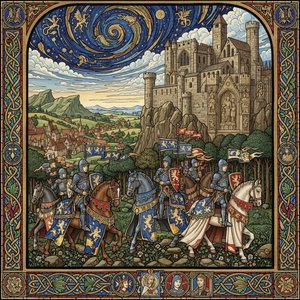
Explore the profound beauty of medieval art through the lens of history. Discover the symbolism of knights, the divine frescoes of Giotto, and how legendary masterpieces continue to inspire modern collectors and lovers of chivalric heritage.

Embark on a visual journey through Early Medieval art. Explore the profound beauty of illuminated manuscripts, sacred symbols, and golden light through an expert historical lens, celebrating the enduring legacy of medieval craftsmanship and divine artistry.

Explore the profound mastery of fresco painting, from the technical alchemy of buon fresco to the legendary narratives of Renaissance masters like Ghirlandaio. Discover how this timeless medium shaped art history and continues to inspire architectural grandeur today.

Discover the timeless art of fresco painting. Explore the profound history, technical mastery of buon fresco, and the enduring legacy of Renaissance masters like Michelangelo in this expert guide to painting on wet plaster.

 設置イメージを確認
 送る
送る シェア
シェア
 詳細情報
詳細情報 ガイドを表示

 画像をダウンロード
 似ている作品
 X線調査
X線調査 スライドショー
 統計情報
統計情報 続きを読む
続きを読む









 ガラスオプションは、110cm未満のサイズでのみご利用いただけます。


