
 Acrylic On CanvasWallArtHigh Renaissance
 1545
1545 185.0 x 150.0 cm
 ピナコテカ・ディ・ブレラ
当社のアーティストが、お客様のご希望のサイズと額縁に合わせて、キャンバスに手描きで制作する油彩画です。 ( プリント版に切り替え デジタル画像販売へ切り替え)





























作品のオリジナル比率に合わせた、当店の規定サイズからお選びください。

特定のフレームやスペースに合わせて、ご希望のサイズをご入力いただけます。選択されたサイズが元の画像の比率と異なる場合、アートワークをトリミングするか、手描きで要素を追加して絵画を拡張いたします。デジタルモックアップ を制作し、制作開始前にご確認(承認)をいただきます。
画面上のプレビューは、実際のトリミングや拡張を正確に反映しているものではありません。最終的な構図は、モックアップによってのみ正確にご確認いただけます。
カスタムサイズもご利用いただけますが、元の比率を維持するためには、あらかじめ用意されたリストからサイズを選択することをお勧めいたします。

Pietà
複製画のサイズ
Lorenzo Lotto’s 1545 rendition of the Pietà stands as a profoundly moving testament to human suffering and divine grace, a cornerstone of his distinctive artistic vision. Far removed from the idealized beauty often associated with Renaissance sculpture, Lotto's interpretation plunges directly into the heart of grief, offering a raw and intensely personal portrayal of Mary cradling the lifeless body of Christ. This isn’t merely a depiction of a religious scene; it’s an exploration of sorrow, loss, and the enduring power of maternal love—a characteristic that cemented Lotto’s reputation as one of Venice's most psychologically astute painters.
The painting immediately commands attention with its dramatic use of light and shadow. A deep, enveloping darkness dominates the background, creating a sense of claustrophobia and emphasizing the vulnerability of the figures within. Lotto masterfully employs chiaroscuro – the stark contrast between light and dark – to draw our focus to Mary’s face, etched with an anguish that is both palpable and heartbreaking. Her expression isn't one of serene acceptance, but rather a visceral reaction to unimaginable loss; her eyes are closed, suggesting a profound stillness born not of peace, but of overwhelming grief. The folds of her garments cascade around Christ’s body, mirroring the weight of his suffering and her own sorrow.
Lotto’s artistic journey was anything but conventional. Unlike many of his contemporaries who established themselves within specific schools or courts, he embraced a nomadic existence, moving between Venice, Treviso, Rome, Bergamo, and Loreto. This constant movement profoundly shaped his style, exposing him to diverse influences while fostering an independent spirit that set him apart. While early training undoubtedly involved the lessons of Giovanni Bellini – evident in the rich colors and atmospheric perspective – Lotto quickly transcended simple imitation, forging a style uniquely his own—a blend of High Renaissance grace and nascent Mannerist sensibiliti. His work is characterized by a nervous energy, an almost palpable sense of unease that reflects the emotional depth he sought to convey.
The painting’s composition itself is notable for its unconventionality. Lotto deliberately avoids the idealized beauty often associated with depictions of Mary and Christ. Instead, he presents them as ordinary people overwhelmed by tragedy. The figures are rendered with a remarkable degree of realism, their faces bearing the marks of age and hardship. This departure from traditional iconography reflects Lotto’s commitment to portraying human emotion with honesty and sincerity. The subtle details – the delicate veins visible beneath Christ's skin, the slight tremor in Mary’s hand – contribute to the painting’s overwhelming sense of immediacy.
The Pietà transcends a simple narrative; it is laden with symbolic meaning. The pyramidal composition, reminiscent of works by Botticelli, anchors the scene while simultaneously directing our gaze towards the central figures. The dark background symbolizes death and despair, while the light that illuminates Mary’s face represents hope and redemption. Crucially, Lotto's choice to depict Mary not as a passive recipient of grief, but as an active participant in Christ’s suffering underscores her role as co-redeemer—a concept central to Christian theology. The inclusion of John the Baptist, standing to the left of Mary, further emphasizes this theme, linking the sorrowful scene with the anticipation of salvation.
The painting was commissioned for a Dominican nunnery in Treviso, and its creation coincided with a period of intense religious fervor in Italy. Lotto’s Pietà reflects this atmosphere of piety and devotion, while also offering a deeply personal meditation on mortality and faith. The fact that the church itself was later destroyed adds another layer of poignancy to the work—a reminder of the fragility of human endeavors and the enduring power of art.
Lorenzo Lotto’s Pietà is more than just a beautiful painting; it's a profound exploration of the human condition. Its raw emotion, masterful technique, and rich symbolism continue to resonate with viewers centuries after its creation. Whether viewed as a devotional object or a work of art for its own sake, this masterpiece offers a glimpse into the soul of a remarkable artist and a timeless meditation on sorrow, loss, and the enduring power of love.


1480 - 1556 , イタリア
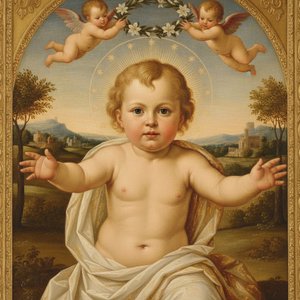
Explore the profound beauty of Baby Jesus in fine art history. From Raphael's Renaissance masterpieces to symbolic light, discover how classical painters captured divine innocence through masterful technique and sacred iconography.

Embark on a profound journey through art history with our exploration of the most iconic depictions of the Virgin Mary. Discover the divine grace, symbolism, and masterful techniques found in Renaissance masterpieces and sacred iconography.

Explore the profound beauty of Marian iconography through an art historian's lens. Discover iconic masterpieces by Raphael and Renaissance masters, celebrating the divine grace and timeless elegance of the Virgin Mary in classical fine art.


 プレビュー
プレビュー
 シェアする
シェアする シェアする
シェアする
 詳細を見る
詳細を見る ガイド
ガイド

 ダウンロード
 似ている作品
 X線調査
X線調査 スライドショー
 統計情報
統計情報 詳細を見る
詳細を見る









 ガラスオプションは、110cm未満のサイズでのみご利用いただけます。


