
 Oil On PanelNorthern Renaissance
 1490
1490 55.0 x 49.0 cm
 ウフィツィ美術館
当社のアーティストが、お客様のご希望のサイズと額縁に合わせて、キャンバスに手描きで制作する油彩画です。 ( プリント版に切り替え デジタル画像販売へ切り替え)





























作品のオリジナル比率に合わせた、当店の規定サイズからお選びください。

特定のフレームやスペースに合わせて、ご希望のサイズをご入力いただけます。選択されたサイズが元の画像の比率と異なる場合、アートワークをトリミングするか、手描きで要素を追加して絵画を拡張いたします。デジタルモックアップ を制作し、制作開始前にご確認(承認)をいただきます。
画面上のプレビューは、実際のトリミングや拡張を正確に反映しているものではありません。最終的な構図は、モックアップによってのみ正確にご確認いただけます。
カスタムサイズもご利用いただけますが、元の比率を維持するためには、あらかじめ用意されたリストからサイズを選択することをお勧めいたします。

St Sebastian
複製画のサイズ
Lorenzo Costa (the Elder)’s 1490 depiction of Saint Sebastian is not merely a religious painting; it's a profound meditation on martyrdom, endurance, and the quiet strength found within suffering. Housed within the hallowed halls of the Galleria degli Uffizi in Florence, this tempera-on-panel masterpiece transcends its historical context to resonate with viewers centuries later, offering a glimpse into the artistic sensibilities and spiritual concerns of the Northern Renaissance.
The painting immediately draws the eye to the central figure – Sebastian himself. He’s rendered not as a screaming victim, but with an almost serene acceptance of his fate. The arrows piercing his torso are not depicted in a violent or dramatic manner; instead, they are subtly integrated into his form, suggesting a slow, inevitable surrender rather than a sudden attack. This deliberate restraint is key to the painting's power – it transforms a scene of brutal death into one of dignified endurance. Notice the pale skin tone, meticulously rendered with layers of tempera, and the carefully observed bruises and marks; these aren’t signs of immediate agony but rather the lingering echoes of pain, testament to Costa’s commitment to realism.
Costa's style firmly places this work within the burgeoning Northern Renaissance tradition. Unlike the more flamboyant and idealized figures often found in Italian art of the period, Costa favors a grounded approach, prioritizing anatomical accuracy and naturalistic detail. The use of light and shadow is masterful – a chiaroscuro technique that creates a palpable sense of depth and volume, pulling the viewer into the scene. The dark background serves to isolate Sebastian, emphasizing his vulnerability yet simultaneously highlighting his inner fortitude. The minimalist clothing—a suggestion of draped fabric at the bottom—further directs attention to the figure’s physical state and emotional bearing.
Saint Sebastian's story is deeply rooted in Christian lore, a tale of youthful beauty, divine intervention, and ultimately, martyrdom. Originally a Roman soldier, he was commissioned by Diocletian to hunt down Christians but himself converted to the faith. He was then subjected to torture and ultimately shot with arrows before miraculously recovering from his wounds. The painting’s symbolism is layered: Sebastian represents Christ's suffering and sacrifice, offering a potent visual reminder of Christian ideals. The arrows themselves can be interpreted as symbols of temptation and persecution, while Sebastian’s acceptance embodies the triumph of faith over adversity.
Beyond its immediate aesthetic qualities, Costa’s St. Sebastian stands as a significant contribution to the artistic landscape of 15th-century Florence. It shares stylistic affinities with other prominent artists of the era, including Hans Memling and Benozzo Gozzoli, both masters of depicting religious subjects with remarkable realism and emotional depth. The painting's presence within the Uffizi Gallery underscores its enduring importance—a testament to Costa’s skill as a painter and his profound understanding of human experience. Further enriching our appreciation is the connection to other notable works from the same period, such as Giotto Di Bondone’s frescoes in the Collegiate Church of San Gimignano, offering a broader context for appreciating the artistic currents of the time.


1460 - 1535 , イタリア

Unveil the intricate mastery of Northern Renaissance Art. Explore the luminous oil techniques, hidden symbolism, and breathtaking realism of Flemish masters through an expert lens of art history and technical precision.

Explore the intricate beauty of Northern Renaissance art. Discover the revolutionary oil techniques, profound symbolism, and microscopic realism of the Franco-Flemish masters in this expert guide for classical art enthusiasts.
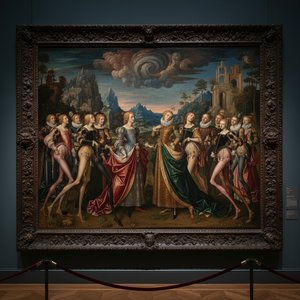
Explore the dramatic evolution of Northern Mannerism. Discover how masters like Bosch and Grünewald transitioned from Renaissance harmony to profound, elegant distortion through an expert analysis of symbolism, emotional intensity, and artistic innovation.


 プレビュー
プレビュー
 シェアする
シェアする シェアする
シェアする
 詳細を見る
詳細を見る ガイド
ガイド

 ダウンロード
 似ている作品
 X線調査
X線調査 スライドショー
 統計情報
統計情報 詳細を見る
詳細を見る









 ガラスオプションは、110cm未満のサイズでのみご利用いただけます。


![Legend Of St Francis - [23] - St Francis Mourned By St Clare — ジョット, Gothic](/media/artworks/images-thumb/17/1c/171c284c41dc3ef8bca83e51c1e1e531.jpg)


