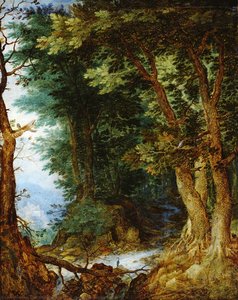
ウェブ上のプレビューを遥かに凌駕する、印刷に最適なファイルをご提供します。当サイトで販売しているすべてのデジタル画像は、弊社のデータベース内にある高解像度のマスターデータ(通常、幅5,000〜15,000ピクセル)から作成されています。そのため、大判印刷やタイトなクロップ、細部まで緻密な再現も、安心してお楽しみいただけます。
当スタジオから送り出される画像は、すべて丁寧に加工されています。デジタルエキスパートが原画と照らし合わせて色調を精査し、必要に応じて補正を行った上で、プロ仕様のリタッチツールを用いて鮮明さと細部を向上させます。その際、アーティストの筆致やスタイルに忠実であることを常に追求しています。その結果、単なるスキャン画像にフィルターをかけたようなものではなく、まるで本物の絵画を見ているかのような仕上がりを実現しています。
仕上がりをご確認いただいてから完了となります。専門スタッフが、ご確認用の画像を72時間以内にメールでお送りいたします。もしご満足いただけない場合は、修正や改善のご要望を承るほか、品質が基準に満たない場合には返金も可能です。
出版社、デザインスタジオ、ギャラリー、そして印刷所から信頼される品質です。
個人での鑑賞、印刷、クリエイティブなプロジェクトにご利用いただける高解像度ファイルをダウンロードできます。 ( プリント版に切り替え 手描きの複製画を注文する)
WahooArt.com を選ぶことは、単に画像を手に入れることではありません。プロの手によって精密に仕上げられ、満足保証が付いた高品質なデジタルアートワークを受け取ることを意味します。ご注文いただいた際に自動的に付随する内容は、以下の通りです:
ご注文から72時間以内に、高解像度のデジタル画像ファイルをメールでお送りいたします。お手元に届き次第、すぐにご利用いただけます。
お客様の作品は、高度なAI技術と専門家による手作業を組み合わせてプロフェッショナルに最適化されており、細部のディテール、鮮明さ、そして正確な色再現性を最大限に引き出しています。
ファイルを誤って削除したり、紛失してしまったりしましたか?ご安心ください。いつでも無料で再送いたします。
関税や手数料、配送料を気にすることなく、お気に入りのアートワークをすぐにお楽しみいただけます。デジタルダウンロードは常に免税です。
プロ仕様のツールとカラーマネジメント技術を用いることで、デジタル画像が元の色を最大限に忠実に再現することを保証いたします。
ご購入いただいたデジタル画像にご満足いただけない場合は、100日以内であれば、理由を問わず修正または100%の返金対応をさせていただきます。
ご満足いただけない場合は、デジタルファイルを受け取ってから100日以内であれば、理由を問わず全額返金いたします。
3枚購入で10%OFF、5枚購入で15%OFF、10枚以上のご購入で20%OFF。クリエイティブなプロジェクトやギャラリー、エージェンシーに最適です。

Lodewijk de Vadder stands as a pivotal figure in the Dutch Golden Age landscape tradition, a master whose brush captured the breathing essence of the seventeenth-century terrain. Though born in Brussels in 1605, his artistic soul was deeply intertwined with the Flemish Baroque milieu, creating a bridge between the traditions of his homeland and the burgeoning naturalism of the Dutch Republic. Born into a family where the scent of oil and turpentine was a constant companion, de Vorker was the son of Gielis de Vadder, and he grew up surrounded by the creative energy of his brothers, Philippe and Huybrecht. This familial immersion in the arts provided him with a foundational mastery that would eventually lead him to become a master of the Brussels Guild of St. Luke in 1628.
His early development was likely shaped by the guidance of his brother Philippe, whose established reputation in the Brussels guild offered Lodewijk a direct path into the heart of the city's artistic community. This lineage of skilled artisans instilled in him not just technical proficiency, but a profound understanding of the Flemish Baroque aesthetic—a style that favored drama, movement, and a certain grandiosity. However, de Vadder was far from a mere imitator of tradition; he possessed a restless, observant eye that sought to move beyond the rigid, often artificial compositions of the Mannerist period.
As his career matured, de Vadder’s work began to exhibit a remarkable departure from the stylized landscapes of his predecessors. He embraced a more naturalistic approach, characterized by a distinctive freedom of brushwork that echoed the legendary spirit of Peter Paul Rubens. This loose, expressive handling allowed him to capture the fleeting qualities of light and the heavy, humid atmosphere of the Low Countries. His canvases became windows into a world where the air itself seemed palpable, thick with the moisture of riverbanks and the soft haze of distant horizons.
One of his most significant technical achievements was his pioneering focus on dune landscapes. He holds the distinction of being the first Flemish landscape painter to elevate these coastal features to the primary subject of his compositions. By integrating the rugged, undulating textures of sand dunes with the sweeping vistas of inlets and paths, he introduced a new topographical vocabulary to Flemish art. While his brushwork drew inspiration from the energetic strokes of Adriaen Brouwer, de Vadder maintained a restrained palette that demonstrated a sophisticated awareness of the evolving tonal developments occurring in the Dutch Republic, blending Flemish vigor with a subtle, atmospheric restraint.
The true breadth of Lodewijk de Vadder’s genius is perhaps most vividly realized in his contributions to the decorative arts. He was not merely an easel painter but a versatile creator whose vision extended into the grand medium of tapestry design. In 1644, he secured a prestigious privilege from the Brussels city authorities to produce tapestry cartoons, a role that placed him at the center of the flourishing textile industry of his era. These large-scale preparatory drawings served as the essential blueprints for some of the most magnificent woven works produced in Brussels.
Working alongside collaborators such as Jan Cordijs and Boudewijn van Beveren, de Vadder helped create breathtaking tapestries that depicted the lush, verdant scenes of the Sonian Forest. Alongside contemporaries like Pieter van Avont and Jacques D’Arthois, he became part of a celebrated group known as "the Sonian Forest Painters." Through these collaborative efforts, his landscapes were transformed from intimate paintings into monumental textile narratives that adorned the halls of the European elite. His legacy remains etched in both the delicate textures of fine art and the enduring grandeur of woven history, marking him as a true visionary of the Baroque age.

1605 - 1655 , Belgium

 設置イメージを確認
 送る
送る シェア
シェア
 詳細情報
詳細情報 ガイドを表示

 画像をダウンロード
 似ている作品
 X線調査
X線調査 スライドショー
 Q&A
Q&A 統計情報
統計情報
 続きを読む
続きを読む