

スピーディーな制作と多彩な仕上げオプションが魅力の、ミュージアムクオリティなジークレー・キャンバスプリント。 ( 手描き複製画を注文する デジタル画像販売へ切り替え)





























作品のオリジナル比率に合わせた、当店の規定サイズからお選びください。

額縁や壁のスペースに合わせて、ご希望の幅と高さを入力してください。プリントはカットすることは可能ですが、元の画像より大きくすることはできないため、異なる比率のサイズを選択された場合は、画像の一部が欠けることになります。印刷を開始する前に、内容を確認していただくためのデジタルモックアップをお送りいたします。このページに表示されている画像は、実際のカット後の状態を示すものではありません。実際の仕上がりはモックアップにてご確認ください。
Neptun
複製画サイズ一覧
Leonardo da Vinci's "Neptun," often referred to simply as "Neptune," is not merely a painting; it’s a dramatic embodiment of Roman mythology, rendered with an arresting intensity that speaks volumes about the artist’s mastery of composition, light, and psychological depth. Completed around 1482, this charcoal drawing on black chalk offers a glimpse into da Vinci's early explorations of figure work and his fascination with classical themes – specifically, the turbulent power of the sea god Poseidon. Unlike many of his later, more polished works, “Neptun” retains a raw energy, a sense of immediacy that reflects its status as a preliminary study rather than a finished masterpiece.
The scene depicts Neptune, king of the gods and ruler of the oceans, seated upon a shell-shaped rock. He’s not presented in the idealized form often found in Renaissance sculpture; instead, da Vinci captures him with a palpable sense of authority and even a hint of brooding intensity. His posture is deliberately forceful, his gaze fixed ahead as if commanding the waves themselves. The figure is rendered with rapid, confident strokes – a characteristic of Leonardo’s working method – revealing the underlying structure beneath the surface. Notice how he uses hatching to create texture and volume, particularly in the folds of his drapery and the swirling patterns of the sea.
Da Vinci's technique is immediately striking. The charcoal is applied with a remarkable degree of spontaneity, creating a dynamic sense of movement that contrasts sharply with the static quality often associated with Renaissance art. He masterfully employs hatching – closely spaced parallel lines – to build up tones and create an illusion of depth and texture. The use of light and shadow is particularly effective in conveying the drama of the scene; the dark background emphasizes Neptune’s form, while strategically placed highlights draw attention to his face and hands.
Compositionally, “Neptun” is a tour de force. The figure dominates the frame, yet he's not isolated. The swirling waves, depicted with loose, expressive strokes, create a sense of chaos and power that mirrors Neptune’s dominion over the sea. The inclusion of Amphitrite, Neptune’s consort, riding on his back, adds another layer of visual interest and reinforces the theme of royal authority. The placement of the birds – one soaring above, another diving below – subtly connects the earthly realm with the divine, suggesting a broader cosmic order.
“Neptun” is deeply rooted in Roman mythology, drawing upon centuries of tradition surrounding Poseidon. The shell-shaped rock serves as Neptune’s throne, symbolizing his connection to the sea – the very essence of his power. The turbulent waves are not merely decorative; they represent the unpredictable and potentially destructive forces that lie beneath the surface. The presence of birds, often associated with divine messengers or omens, adds a layer of symbolic complexity.
Interestingly, da Vinci’s depiction deviates slightly from traditional portrayals of Neptune. He doesn't present him as a benevolent protector; instead, he captures a more formidable and even somewhat menacing figure – a god who commands respect through sheer force of will. This nuanced portrayal reflects da Vinci’s broader interest in exploring the complexities of human nature and the darker aspects of the divine.
Despite its status as an early study, “Neptun” reveals da Vinci's burgeoning genius and his willingness to experiment with new techniques. It demonstrates his ability to capture not just the physical appearance of a subject but also their psychological state – a skill that would become increasingly central to his later work. Reproductions of this captivating drawing offer a unique opportunity to appreciate da Vinci’s artistic process and to witness firsthand the genesis of one of the most iconic images in Western art history. Its raw energy and dramatic composition continue to resonate with viewers today, reminding us of the enduring power of classical mythology and the boundless creativity of Leonardo da Vinci.
視覚的な明るさの観点から見ると、レオナルド・ダ・ヴィンチ作「Neptun」 は brilliant です。
「Neptun」は、高解像度デジタル画像にて直接ご購入いただける高解像度デジタル画像のダウンロードとしてご利用いただけます。
「Neptun」には、専用の閲覧統計ページがあります。このページでは、その作品およびアーティストの他の作品の月間訪問者数を、国別・言語別の内訳とともにグラフで表示しています。

レオナルド・ダ・ヴィンチは、1452年4月15日、トスカーナ地方の丘陵地帯に位置するヴィンチの町、あるいはその近郊で産声を上げました。彼の生い立ちは、当時の社会的な現実を色濃く反映したものでした。成功した公証人であるピエロ・ダ・ヴィンチと、下層階級の女性であったカテリーナ・ディ・メオ・リッピとの間に、婚姻関係の外に生まれた非嫡出子としてこの世に現れたのです。このような背景は、彼を最初からトスカーナの農村社会という枠組みの中に置くこととなりました。やがて彼はフィレンツェへと移り住み、そこでその教育の礎を築いていくことになります。当時のフィレンツェは、ディセーニョ(素描)の精密さに重きを置く空気に満ちており、その厳格な写実へのこだわりが、彼の生涯における技術的なアプローチを決定づけることとなりました。
14歳を迎えた頃、レオナルド・ダ・ヴィンチはアンドレア・デル・ヴェロッキオの工房へと弟子入りを果たします。この修行期間こそが、彼の卓越した技術力の源泉となりました。ヴェロッキオの工房では、異なる工芸の境界は極めて曖昧であり、彼は画家としての道具だけでなく、彫刻家としての道具をも自在に操る術を学びました。その訓練は、単に筆を動かすことだけを目的としたものではありませんでした。彫刻のメカニズムや、さまざまな素材が持つ物理的な特性を深く理解することを含んでいたのです。筋肉の動きと、その表面に光がどのように降り注ぐかという現象を密接に結びつける彼の独自の視覚的洞察力は、この幼少期から青年期にかけての厳格な規律の中に根ざしたものだったのです。
レオナルド・ダ・ヴィンチのキャリアは、盛期ルネサンスの主要な中心地を絶え間なく行き来する、ダイナミックな移動によって形作られていきました。彼は1472年から1482年頃にかけて、そして再び1500年から1508年にかけて、主にフィレンツェを拠点としてその才能を開花させました。このフィレンツェでの歳月は、彼の芸術的発展における不可欠な礎となりましたが、その後の長い軌跡を決定づけたのは、ミラノでの経験でした。彼は1482年頃から1499年にかけて、ミラノの権力者ルドヴィーコ・スフォルツァに仕え、人生の多くの時間をそこに捧げました。ただし、その奉仕の期間は一続きのものではなく、1508年から1513年にかけて再びミラノへと戻るなど、常に変化し続けるプロセスでもあったのです。
フィレンツェとミラノが彼の活動の主要な拠点であった一方で、その探求の領域はこれら二つの都市に留まることはありませんでした。彼の職業的な歩みは、ローマでの重要な仕事、そして最終的にはフランスへと至る壮大な旅路を含んでいます。こうした地理的な流動性は、彼の芸術スタイルが固定化されることを防ぐ役割を果たしました。一つの宮廷に縛り付けられるのではなく、イタリア半島の激動する政治情勢を巧みに渡り歩いたのです。特にミラノにおける彼の存在は、宮廷との絶え間ない対話によって特徴づけられます。そこでは、彼の工学や科学への深い関心が、芸術的な依頼と密接に交差していました。こうした学問領域の融合こそが、彼の作品が単なる装飾の域を超え、人類の至宝となり得た理由なのです。
ミラノにおけるレオナルド・ダ・ヴィンチの存在感は、ルドヴィーコ・スフォルツァ公への長期にわたる奉仕によって決定づけられました。この主従関係は、彼の作品の規模や性質を規定するものであり、当時の宗教的な要請とスフォルツァ家の宮廷が抱える政治的な思惑との間で、絶え間ない調和を模索することを彼に強いたのです。この時期の彼の活動は、単なる断続的な仕事の積み重ねではなく、パトロンたちの野心に対する継続的な応答でもありました。彼は、支配王朝の要求に応えつつ、自らの技術的な実験を繰り返しながら、多様な主題の間を自在に行き来していったのです。
こうした庇護関係がもたらした最も重大な結実が、サンタ・マリア・デッレ・グラツィエ修道院の食堂にある霊廟の壁面装飾でした。この依頼から生まれたのが、あの最後の晩餐です。このプロジェクトにおいて、レオナルドは伝統的なフレスコ画の技法をあえて脱却するという決断を下しました。彼の制作プロセスには、緩やかな層の積み重ねと頻繁な修正が不可欠であったため、松脂を混ぜた油彩絵具を用いたのです。この選択は、より緻密な描写を可能にした一方で、作品に物理的な脆弱性をもたらし、結果として数世紀にわたる修復作業を必要とすることとなりました。しかし、この壁画は厳格な遠近法の適用によって、人間の緊張が走る決定的な瞬間を見事に捉え、今なおミラノの精神的風景の中心であり続けています。
現存する絵画の中で、最も高名な存在として君臨し続けているのがモナ・リザです。パリのルーヴル美術館に鎮座するその作品は、他の追随を許さないほどの圧倒的な注目を世界中から集めています。また、人間の身体の比率を解き明かした素描であるウィトルウィウス的人体図もまた、文化的なアイコンとしての地位を確立しました。これらの作品は、レオナルド・ダ・ヴィンチが抱いた複雑な観察眼が、現代人の意識の中にまで深く刻み込まれた視覚言語へと昇華されたことを証明しています。
宗教芸術の極致として語り継がれているのが、最後の晩餐です。ミラノのサンタ・マリア・デッレ・グラツィエ修道院の食堂に描かれたこの壁画は、イエスが裏切りを告げた直後の、張り詰めた瞬間を見事に描き出しています。遠近法を駆使して鑑賞者をその場へと引き込む手法は、心理的なドラマを描く表現の規範として今なお語り継がれています。また、彼が遺したキャンバス作品の市場価値も驚異的です。2017年には、サルバトール・ムンディがオークションにて4億5030万ドルという驚愕の価格で落札されました。この数字は、レオナルド・ダ・ヴィンチの手による作品に置かれた計り知れない価値を物語っています。
レオナルド・ダ・ヴィンチがキャンバスに向かう際、その原動力となったのは、科学的な観察と視覚的な表現を融合させようとする、飽くなき探求心でした。彼は単に人物を描写したのではありません。解剖学に対する厳格な調査を通じて、生命の構造そのものを再構築しようとしたのです。死体を解剖し、筋肉や骨がどのように機能するかを深く理解することで、彼は人体を驚異的な正確さで描き出す術を身につけました。それは単なる外見の模写ではなく、一筆一筆に宿る構造的な必然性に基づいた表現だったのです。
彼の技術的な革新は、光と大気の巧みな操作に集約されています。レオナルドは、色の微妙な階調を用いて対象の輪郭をぼかすスフマート技法を編み出しました。この技法によって、硬い輪郭線は消え去り、形は煙のような霞の中から静かに浮かび上がってくるのです。さらに、彼はキアロスクーロを組み合わせることで、光と影の相互作用を制御し、画面に圧倒的な立体感を与えました。こうした効果を追求するために、彼は松脂を混ぜた油彩絵具を用いるなど、乾燥を遅らせて幾重にも層を重ねるための、当時としては極めて実験的な手法を試み続けていたのです。
レオナルド・ダ・ヴィンチの晩年は、その絶え間ない知的探求の旅を反映するかのように、地理的な移動によって形作られていきました。1513年から1516年にかけてローマで活動した後、彼はフランス王フランシス1世の招きを受け、人生の終焉へと向かう旅に出ます。この移住によって彼はフランスの地へと辿り着き、そこで過ごした最後の3年間、生活のすべてを創作と探求に捧げました。フランス宮廷における彼の存在は、すでに盛期ルネサンスの主要な中心地を渡り歩いてきた、壮大なキャリアの終止符を打つものとなりました。
フランスでの日々は、1519年5月2日にこの世を去るその瞬間まで、彼が探求を止めることはありませんでした。その晩年は、決して静かな隠居の時代ではなく、彼の生涯を貫いてきた強烈なまでの観察眼が、最期まで燃え続けていた期間でもあったのです。フランスの地で息を引き取ったレオナルド・ダ・ヴィンチが遺した膨大な作品群は、科学的な探求と視覚的な表現が美しく交差する領域において、今なお最も重要な指標として輝き続けています。
レオナルド・ダ・ヴィンチは、西洋美術史における中心的な存在であり続けています。その地位は、ミケランジェロに匹敵するほどの規模でヨーロッパの芸術的発展を形作った、膨大な作品群によって揺るぎないものとなっています。彼の持つ比類なき影響力は、描くという行為を、探求という行為から切り離すことを拒絶した姿勢に由来しています。彼は画家、素描家、技術者、科学者、理論家、彫刻家、そして建築家として、同時に、かつ流動的にその役割を全うしました。この広範な知的好奇心こそが、彼の貢献を単一の媒体や学問領域に閉じ込めることを決して許さなかったのです。
彼の膨大な手稿は、この休むことのない知性の最も直接的な証左といえるでしょう。そこには、水の流れから人間の骨格が持つ複雑な構造に至るまで、世界のメカニズムを観察し続けることを止めることのなかった精神が刻まれています。この経験主義的なアプローチにより、彼の素描は単なる下絵にとどまらず、自然界に対する絶え間ない探求を記録するための、極めて重要な道具となりました。彼は、物理的な世界そのものを、厳格な観察を通じて解読されるべき主題として捉えていたのです。
彼の及ぼした影響の大きさは、多様な関心が交差する様を見れば明らかです。解剖学や光に関する科学的な探求は、彼の視覚的な表現に深い知見を与え、理論と実践の間に絶妙な循環を生み出しました。こうした学問領域の統合によって、彼は単なる「再現」の次元を超え、世界がどのように機能しているかという深遠な理解へと到達したのです。専門特化することを拒み、技術的・科学的な広範な追求を通じて存在のメカニズムを極めようとしたこと。それこそが、レオナルド・ダ・ヴィンチという稀代の天才を定義づけるものなのです。
レオナルド・ダ・ヴィンチが遺した作品の、その圧倒的な実在感を肌で感じるためには、世界各地の美術館を巡る旅が欠かせません。あまりにも有名なモナ・リザは、今もなおパリのルーヴル美術館に鎮座し、そのコレクションの核心として、見る者を魅了し続けています。また、ポーランドのクラクフでは、チャルトリスキ美術館が、あの繊細な美しさを湛えた白貂を抱く貴婦人を大切に守り続けています。これらの場所こそが、彼が遺した最も重要なキャンバスを目の当たりにできる、聖地とも言える場所なのです。
彼の芸術的な黎明期や、技術的な変遷を辿る旅を求めるならば、フィレンツェは決して欠かすことのできない目的地となります。ウフィツィ美術館には、受胎告知とキリストの洗礼の両方が収蔵されています。これらの作品を並べて眺めることで、光の扱い方や風景の描き方が、いかにして進化を遂げていったのかを、ダイレクトに比較し、感じ取ることができるでしょう。作品が本来置かれるべき場所でそれらと対峙することは、そのスケール感や、制作当時の環境を追体験させてくれる貴重な体験となるはずです。
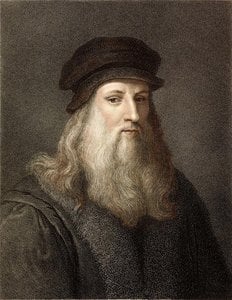
1452 - 1519 , イタリア

Explore the profound beauty of the sketch. Discover how masters use charcoal and graphite to capture raw emotion, anatomical precision, and fluid movement, bridging the gap between ephemeral marks and eternal oil masterpieces.

Elevate your artistry with this definitive expert guide to mastering charcoal. Designed for art students, learn professional techniques for capturing profound depth, intricate textures, and dramatic shadows through advanced blending and chiaroscuro methods.

Explore the profound genius of Leonardo, Michelangelo, and Raphael. An authoritative deep dive into the High Renaissance masters, analyzing their unique techniques, humanistic vision, and enduring influence on the world of fine art collecting.
Explore the profound elegance of pencil and charcoal sketching. Discover how masters use line, shadow, and chiaroscuro to capture light and texture, bridging the gap between preparatory studies and timeless fine art masterpieces.
 設置イメージを表示
 シェアする
シェアする シェアする
シェアする
 詳細を見る
詳細を見る ガイドを表示

 ダウンロード
 似ている作品
 X線調査
X線調査 スライドショーを表示
 Q&A
Q&A
 統計情報
統計情報
 詳細を表示
詳細を表示









 ガラスオプションは、110cm未満のサイズでのみご利用いただけます。


