

 キャンバスにアクリル絵具ウォールアート盛期ルネサンス
 1517中世初期
 15.0 x 21.0 cm
 ロイヤル・コレクション
スピーディーな制作と多彩な仕上げオプションが魅力の、ミュージアムクオリティなジークレー・キャンバスプリント。 ( 手描きの複製画を注文する デジタル画像販売へ切り替え)





























作品のオリジナル比率に合わせた、当店の規定サイズからお選びください。

額縁や壁のスペースに合わせて、ご希望の幅と高さを入力してください。プリントはカットすることは可能ですが、元の画像より大きくすることはできないため、異なる比率のサイズを選択された場合は、画像の一部が欠けることになります。印刷を開始する前に、内容を確認していただくためのデジタルモックアップをお送りいたします。このページに表示されている画像は、実際のカット後の状態を示すものではありません。実際の仕上がりはモックアップにてご確認ください。
大洪水
複製画サイズ一覧
1517年、紙にチョークで描かれたレオナルド・ダ・ヴィンチの「大洪水」は、単なる嵐の描写にとどまりません。それは、自然が持つ剥き出しの力と、その壮大な設計図の中に置かれた人類の危うい立ち位置を深く探求した作品です。わずか15 x 21 cmという親密なサイズのこの素描には、そこに収められたドラマの圧倒的なスケールが隠されています。渦巻く水の奔流、稲妻、そして崩れゆく建造物――それらは盛期ルネサンス時代の人々が抱いていた不安と熱望を、ダイレクトに語りかけてくるのです。
場面は、息をのむような臨場感とともに展開します。まるで大地そのものから噴出しているかのような巨大な洪水が、画面全体を支配しています。激しく降り注ぐ水の筋は建物に打ちつけ、瓦礫を散乱させます。それは、驚くべき細部まで描き込まれた、破壊の混沌としたバレエのようです。レオナルドは、色彩を微妙に融合させて柔らかく霞んだ輪郭を作り出す、彼特有の技法である「スフマート」を見事に駆使しています。その効果は、湧き上がる雲や水面のきらめきに顕著に表れており、鑑賞者を嵐の核心へと引き込み、本能的な没入感をもたらします。
ダ・ヴィンチの緻密な観察眼は、一目で明らかです。彼は洪水の破壊的な力を描くことを恐れません。崩れ落ちる壁、倒れる木々、そして水に沈む動物たちは、すべて不安をかき立てるほどのリアリズムで表現されています。しかし、この混沌の中には、かすかな秩序も存在しています。構図自体はピラミッド型の構造に従っており、視線を嵐の頂点へと導きます。その焦点は、脆弱さと強靭さの両方を同時に伝えています。描かれた人物たちは小規模ではありますが、その慎重な配置は、圧倒的な自然の力に対して人間の意志を介在させようとする試みを示唆しています。
興味深いことに、この作品は、記念碑的なフレスコ画「都市の洪水」(1510-1512年)といった、ダ・ヴィンチによるより有名な洪水の描写に先駆けて制作されたものです。これは、劇的な自然現象を捉える彼のアプローチが進化していく過程を示しています。「大洪水」の小さなスケールと親密なディテールは、主題に対するより個人的な関わり――すなわち、大気の効果と人間と環境の相互作用に関する集中した研究――を提示しているのです。
視覚的なインパクトを超えて、「大洪水」には豊かな象徴的意味が込められています。この嵐は、政治的不安定、宗教的な激動、そして科学的な問い直しによって特徴づけられる盛期ルネサンスの激動の時代を象徴するアレゴリー(寓意)として解釈することができます。崩壊する建物は、地上の権力の脆さと、人類の業績の儚さを表しています。画面に散らばる人物たちは、抗いようのない力に直面した際の人類の脆弱性を体現しているのです。
さらに、この素描は、古典神話や聖書の物語に対するルネサンス期特りの広範な関心を反映しています。そのイメージは、神の怒りや罪の結果を想起させます。それは、創世記に記されたノアの方舟や大洪水の物語の残響でもあります。観察、芸術的技術、そして象徴的な共鳴をシームレスに融合させるダ・ヴィンチの能力こそが、この作品を単なる写実的な表現を超えた高みへと引き上げているのです。
「大洪水」は、レオナルド・ダ・ヴィンチの創造的プロセスの希少な一端を見せてくれます。それは、知識に対する彼の絶え間ない追求と、自然界に対する深い理解の証です。この小さく、強烈に細密な素描は、単なる嵐の描写ではありません。それは宇宙における人類の場所についての瞑想であり、歴史上最も偉大な芸術的精神の一人として定義される、比類なき技術と先見的な洞察力によって描き出されたものです。手描きによる複製画はこの素晴らしい作品のエッセンスを捉えており、あなた自身の空間でその力強さと美しさを体験することを可能にします。
レオナルド・ダ・ヴィンチ作「大洪水」のプリントは、横長の向きで中サイズのサイズに印刷することをお勧めします。
レオナルド・ダ・ヴィンチ作「大洪水」には、中サイズのレプリカをおすすめします。比率を維持したまま、サイズを調整することが可能です。
「大洪水」は、ドラマチックなな雰囲気を纏っています。
1452年、トスカーナ地方のヴィンチ村近くで生まれたレオナルド・ダ・ヴィンチは、ルネサンス期を象徴するまさに「万能の天才」でした。画家、彫刻家、建築家、科学者、技術者、解剖学者…彼の好奇心と探求心は、芸術、科学、工学の分野に革命をもたらし、後世に計り知れない影響を与えました。非嫡出子として生まれたという出自にも関わらず、彼は卓越した才能を発揮し、その名は今もなお、創造性と革新性の代名詞となっています。
幼少期を過ごしたヴィンチで自然と触れ合いながら育ったレオナルドは、14歳でフィレンツェの芸術家アンドレア・デル・ヴェロッキオの工房に入門します。そこで彼は、絵画や彫刻だけでなく、金属加工、木工、製図といった幅広い技術を習得し、その基礎を築きました。ヴェロッキオの工房での経験は、彼の多才な才能を開花させるための土台となり、後に彼自身が師を凌駕するほどの才能を持つことを予感させました。当時から、彼の並外れた才能は評判となり、ヴェロッキオ自身もレオナルドの才能に圧倒され、絵筆を置いたという逸話も残されています。
1482年、レオナルドはルドヴィーコ・スフォルツァ公の宮廷に仕官し、ミラノへと移ります。これは単なる芸術家としての任命ではなく、軍事技術者、建築家、彫刻家、そして舞台デザイナーとしても活躍する機会となりました。彼は革新的な防御施設の設計、豪華な舞台装置のデザイン、さらには空を飛ぶ機械の構想など、多岐にわたるプロジェクトに取り組みました。この時期に着手された「最後の晩餐」は、彼の代表作の一つであり、サンタ・マリア・デッレ・グラツィエ修道院の食堂壁画として完成しました。この作品は、単なる食事の場面を描写するだけでなく、人間の感情と心理的なドラマを深く掘り下げており、その革新的な構図と遠近法は、西洋美術に多大な影響を与えました。また、スフォルツァ公のために様々な彫刻プロジェクトに取り組む一方で、レオナルドの探求心は科学分野にも向かい、解剖学の研究を開始します。
1499年のフランス軍によるミラノ攻略後、レオナルドはフィレンツェに戻り、芸術の中心地で新たな活動を展開しました。この時期に制作された「モナ・リザ(ジョコンダ)」は、彼の最も有名な作品の一つであり、その謎めいた微笑みと魅惑的な眼差しは、何世代にもわたって人々を魅了し続けています。レオナルドが開発したスフマート技法—光と影の微妙なグラデーションによって輪郭をぼかし、幻想的な雰囲気を生み出す技術—は、この作品の神秘性をさらに高めています。また、彼は人間の形態を科学的に理解しようと試み、解剖学の研究を重ねました。遺体の解剖を通して得られた知識をもとに、筋肉、骨格、臓器などを詳細に記録した図面は、当時としては画期的なものでした。
その後のレオナルドは、フィレンツェ、ミラノ、ローマなど、イタリア各地を転々としながら活動を続けました。1516年には、フランス王フランシス1世の招聘を受け、アンボワーズ城近くのクロ・リュセ城に住み込み、晩年を過ごしました。1519年に亡くなったレオナルドは、芸術史における彼の遺産は計り知れません。彼は芸術家を単なる熟練した職人から、科学的探求に基づいた知的存在へと高めました。彼の作品は、写実性、心理的な深み、革新的な技法によって高く評価されています。レオナルド・ダ・ヴィンチは、人間の好奇心、創造性、そして知識の絶え間ない追求を象徴する存在であり、その影響力は今日まで色褪せることなく、私たちに畏敬の念と感動を与え続けています。
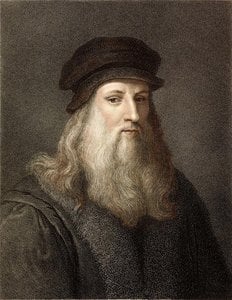
1452 - 1519 , イタリア

Explore the profound genius of Leonardo, Michelangelo, and Raphael. An authoritative deep dive into the High Renaissance masters, analyzing their unique techniques, humanistic vision, and enduring influence on the world of fine art collecting.

Explore the profound artistry of graphite drawing. Discover professional techniques for mastering depth, texture, and detail through a lens of art history, from classical sketches to modern masterpieces. Elevate your understanding of the pencil medium with our expert guide.

Elevate your artistic practice with this expert guide to mastering the line. Discover advanced techniques in graphite, charcoal, and contour drawing designed for art students seeking technical precision and expressive depth in their fine art studies.

 設置イメージを確認
 送る
送る シェア
シェア
 詳細情報
詳細情報 ガイドを表示

 画像をダウンロード
 似ている作品
 X線調査
X線調査 スライドショー
 統計情報
統計情報 続きを読む
続きを読む









 ガラスオプションは、110cm未満のサイズでのみご利用いただけます。


