
アート相談を無料で

x
プリントを購入 プリントを購入手描き複製画を注文する 手描き複製画を注文する シェアするシェアする
詳細を見る詳細を見る お気に入りに追加 お気に入りに追加 ダウンロードダウンロード 似ている作品似ている作品 X線X線 スライドショースライドショー

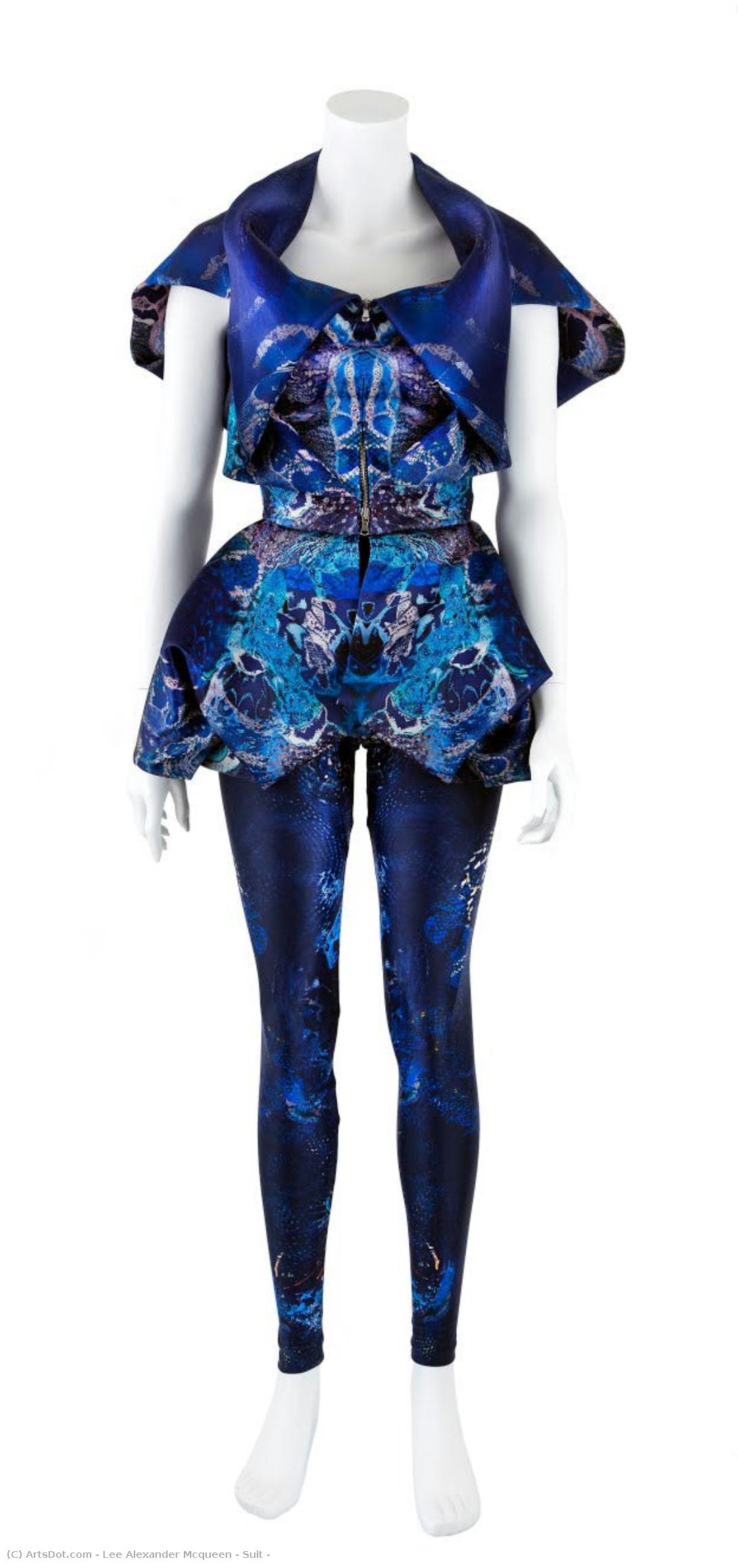
Suit

Lee Alexander McQueen (1969-2010) was a revolutionary British fashion designer renowned for sharp tailoring, dramatic runway shows & provocative designs exploring themes of history, romance, and darkness. A lasting icon in haute couture.

オンラインプレビューをはるかに凌ぐ、高解像度で鮮明なデジタル画像をご購入いただけます。

各ファイルは、社内の専門家が高度なツールと熟練した手作業によるレタッチを用いて、細心の注意を払って準備されています。すべての画像において、卓越した鮮明度、正確な色彩再現性、そして繊細なディテールを保証いたします。

最終ファイルは、プロフェッショナルな編集・印刷環境ですぐにご利用いただけるよう最適化された状態で、72時間以内にメールにてお届けいたします。これは、一流のデザインスタジオ、出版社、ギャラリーから信頼されているものと同等の品質です。

デジタルアート

個人での鑑賞、印刷、クリエイティブなプロジェクト用に、高解像度ファイルをダウンロードできます。

最終合計金額

$9.99

デジタル画像のご注文に付随する特典

高品質なデジタル画像配信を、確かな品質で。

WahooArt.com を選ぶことは、単に画像を手に入れることではありません。それは、プロの手によって精密に仕上げられ、満足保証が付いた高品質なデジタルアートワークを受け取ることを意味します。ご注文いただいた際に自動的に付随する内容は、以下の通りです:

shipping_icon
メールですぐにお届け

ご注文から72時間以内に、高解像度のデジタル画像ファイルがメールでお手元に届きます。すぐにそのままご利用いただけます。

canvas_icon
AI技術で最適化されたデジタルファイル

お客様の作品は、高度なAIツールと専門家による手作業の編集を組み合わせてプロフェッショナルに最適化されており、細部のディテール、鮮明さ、そして正確な色再現性を最大限に引き出しています。

insurance_icon
一生涯無料の再送サービス

ファイルを誤って削除したり、紛失してしまったりしましたか?ご安心ください。いつでも無料で再送いたします。

tax_icon
輸入手数料は一切かかりません

関税や手数料、配送料を気にすることなく、お気に入りのアートワークをすぐにお楽しみいただけます。デジタルダウンロードは常に免税です。

color_icon
色彩再現の保証

プロ仕様のツールとカラーマネジメント技術を用いることで、デジタル画像が元の色を最大限に忠実に再現することを保証いたします。

return_icon
60日間満足保証

ご購入いただいたデジタル画像にご満足いただけない場合は、60日以内であれば、修正または100%の返金(理由を問う必要はありません)をさせていただきます。

guarantee_icon
100% 返金保証

ご満足いただけない場合は、デジタルファイルを受け取ってから60日以内であれば、理由を問わず全額返金いたします。

discount_icon
まとめ買い割引

3枚購入で10%OFF - 5枚購入で15%OFF - 10枚以上購入で20%OFF。クリエイティブなプロジェクト、ギャラリー、エージェンシーに最適です。


作家の略歴

A Rebel Tailor: The Life and Legacy of Lee Alexander McQueen

Lee Alexander McQueen, a name synonymous with boundary-pushing fashion and dramatic artistry, emerged from a working-class upbringing in London’s East End to become one of the most influential designers of his generation. Born on March 17, 1969, young Lee displayed an early aptitude for creativity, crafting dresses for his sisters – a nascent expression of the vision that would later captivate and often shock the fashion world. This initial spark led him to leave school at sixteen and embark on an apprenticeship on Savile Row, the hallowed ground of British tailoring. It was here, amidst the precision and tradition of bespoke menswear, that McQueen honed his technical skills – a foundation upon which he would build his revolutionary aesthetic. His time with Anderson & Sheppard, crafting suits even for figures like Prince Charles, instilled in him an unparalleled understanding of cut, construction, and form. However, McQueen’s ambition extended beyond traditional tailoring; he sought to deconstruct and reimagine the very language of clothing. Subsequent roles with theatrical costumiers Angels and Bermans further fueled his imagination, exposing him to a world of fantasy, performance, and dramatic expression.

From Saint Martins to Global Icon

McQueen’s formal education at Central Saint Martins College of Art and Design proved pivotal. It was here that he truly found his voice, blending technical mastery with conceptual daring. His 1992 graduate collection, inspired by the chilling tales of Jack the Ripper, immediately garnered attention – a dark, provocative statement that foreshadowed his future explorations of history, psychology, and societal taboos. Crucially, the entire collection was purchased by Isabella Blow, the eccentric fashion editor who became McQueen’s mentor and champion. Blow recognized the raw talent and uncompromising vision within him, providing both financial support and invaluable guidance as he launched his own label in 1992. The early years were marked by a rebellious spirit and a willingness to challenge conventions. His “bumster” trousers – cut shockingly low at the waist – became an instant sensation, earning him notoriety as the "enfant terrible" of British fashion. This was not merely about aesthetics; it was a deliberate provocation, a questioning of established norms and body image ideals. McQueen’s ascent continued with his appointment as creative director of Givenchy in 1996, a position he held until 2001. While the role brought him international recognition, he often felt constrained by the house's traditions, yearning for greater creative freedom.

Themes and Inspirations: A Dark Romanticism

McQueen’s designs were rarely simply about clothing; they were narratives woven in fabric, exploring complex themes of history, identity, sexuality, and mortality. He drew inspiration from a diverse range of sources, seamlessly blending the historical with the contemporary, the beautiful with the grotesque. Victorian Gothic aesthetics frequently appeared in his work, alongside references to Scottish heritage – a nod to his ancestry, powerfully expressed in collections like “The Widows of Culloden” (1995) and “Highland Rape” (1996), which utilized his signature clan tartan in striking red, black, and yellow. Japanese aesthetics, particularly the kimono’s elegant lines and draping techniques, also exerted a strong influence. Beyond these specific inspirations, McQueen was deeply engaged with art and performance, drawing parallels between fashion and conceptual expression. His runway shows were legendary for their theatricality, often incorporating elaborate sets, dramatic lighting, and even performance art elements – such as the use of robots in “No. 13 Finale” (Spring/Summer 1999) and the illusion of Kate Moss appearing multiple times in his Autumn/Winter 2006 show. The skull scarf became an iconic symbol of his brand, representing both a fascination with mortality and a defiant embrace of individuality.

A Lasting Impact: Beyond the Runway

The tragic death of Lee Alexander McQueen on February 11, 2010, sent shockwaves through the fashion world. However, his legacy continues to resonate profoundly. Sarah Burton, who succeeded him as creative director of the Alexander McQueen label, skillfully maintained his design aesthetic while also evolving it for a new generation. The brand remains celebrated for its innovative designs, impeccable tailoring, and theatrical presentations. Retrospective exhibitions like “Savage Beauty” (2011 & 2015) and "Mind, Mythos, Muse" (2022) have demonstrated the enduring power of his vision, attracting record-breaking attendance and solidifying his status as a cultural icon. McQueen’s influence can be seen in contemporary fashion trends and the work of emerging designers who continue to push boundaries and challenge conventions. He received numerous accolades during his lifetime, including four British Designer of the Year awards and the Council of Fashion Designers of America International Designer of the Year award – testaments to his extraordinary talent and lasting impact on the world of fashion.

The Enduring Symbolism

Ultimately, Lee Alexander McQueen was more than just a designer; he was an artist, a storyteller, and a provocateur who dared to confront uncomfortable truths and challenge societal norms. His work explored the darker aspects of human experience – themes of loss, trauma, and mortality – with unflinching honesty and breathtaking beauty. He wasn’t afraid to be controversial, to shock, or to provoke strong reactions. His designs were not merely clothes; they were statements. He elevated fashion from a superficial pursuit to a powerful form of self-expression and cultural commentary. McQueen's legacy is one of fearless creativity, uncompromising vision, and enduring influence – a testament to the transformative power of art and the enduring allure of dark romanticism. His work continues to inspire and challenge us, reminding us that true beauty often lies in embracing the complexities and contradictions of the human condition.

