
このページに掲載されている作品は著作権法によって保護されており、当社の許可なく同一の複製物を制作または販売することは法律で禁じられています。この保護は、以下のような国際条約に基づき執行されます。 ベルヌ条約 および、以下の条項に定められたものを含む各国の法律により、 米国著作権法 第17編。
この手法は、著作権で保護された作品の複製や複写を伴わないため、著作権法に完全に準拠しています。これは単なる模倣ではなく、創造的な再解釈です。元の作品からインスピレーションを受けつつも、それとは異なる、全く新しい絵画を生み出すものです。
スピーディーな制作と多彩な仕上げオプションが魅力の、ミュージアムクオリティなジークレー・キャンバスプリント。 ( 手描きの複製画を注文する デジタル画像販売へ切り替え)
作品のオリジナル比率に合わせた、当店の規定サイズからお選びください。

額縁や壁のスペースに合わせて、ご希望の幅と高さを入力してください。プリントはカットすることは可能ですが、元の画像より大きくすることはできないため、異なる比率のサイズを選択された場合は、画像の一部が欠けることになります。印刷を開始する前に、内容を確認していただくためのデジタルモックアップをお送りいたします。このページに表示されている画像は、実際のカット後の状態を示すものではありません。実際の仕上がりはモックアップにてご確認ください。
Evening dress,
複製画サイズ一覧
Lee Alexander McQueen’s “Evening Dress,” a black-and-white photograph captured in 2007, isn't merely a documentation of fashion; it’s a meticulously crafted exploration of form, texture, and the inherent drama within restraint. The image, strikingly devoid of color, immediately establishes an atmosphere of sophisticated melancholy – a deliberate choice that elevates the garment beyond its purely decorative function and invites contemplation on themes of timelessness and the fleeting nature of beauty. McQueen, a designer renowned for his provocative yet deeply considered work, masterfully utilizes photographic realism to achieve this effect, employing controlled lighting and a shallow depth of field to draw the viewer’s eye directly to the mannequin and the exquisite details of the dress itself.
The composition is deceptively simple. Centered precisely within the frame, the mannequin becomes an island of focus against a deliberately blurred background – a strategic move that amplifies the dress's presence and emphasizes its verticality. The photograph’s perspective, subtly low-angled, lends a sense of grandeur to the garment, suggesting both elegance and a hint of imposing formality. The deliberate lack of extraneous detail forces the viewer to engage with the textures and lines of the fabric itself: the subtle sheen, the carefully draped folds, and the precise construction that speaks volumes about the skill of its creation. The matte surface of the mannequin’s material provides a grounding contrast to the luxuriousness of the dress, highlighting its intricate details.
McQueen's choice of black-and-white photography is crucial to understanding the photograph’s intent. It strips away superficial distractions, forcing us to appreciate the fundamental elements of design – line, shape, texture, and volume. The studio lighting, soft and diffused, avoids harsh contrasts, instead creating a delicate interplay of light and shadow that reveals the fabric's complex surface. This technique is reminiscent of classical portraiture, lending an air of timelessness to the image. The shallow depth of field – a hallmark of photographic realism – ensures that the dress remains sharply in focus while the background melts into a soft, indistinct blur, effectively isolating the subject and directing our attention entirely to its form.
Beyond the technical aspects, the photograph’s execution reveals McQueen's deep understanding of tailoring. The meticulous rendering of the fabric’s folds and draping suggests an intimate knowledge of how materials behave and respond to movement. The photograph isn’t simply a representation; it’s a study in construction – a testament to the designer’s commitment to precision and his ability to transform simple materials into objects of extraordinary beauty and drama. The image feels like a carefully considered blueprint, revealing the underlying structure that supports its captivating aesthetic.
McQueen's work was deeply rooted in historical references, often drawing inspiration from Victorian mourning rituals, gothic literature, and the macabre. This photograph subtly echoes those influences through its starkness and the sense of contained drama. The monochromatic palette evokes a feeling of timelessness, suggesting that the dress transcends fleeting trends and speaks to enduring ideals of beauty and sophistication. The absence of color can also be interpreted as a deliberate rejection of superficiality, focusing instead on the intrinsic qualities of form and texture.
Furthermore, the image’s composition subtly references classical sculpture – the mannequin's pose mirroring the stance of a figure in profile, creating a sense of formality and monumentality. The dress itself, with its flowing lines and elegant silhouette, embodies the ideals of romanticism and beauty, while simultaneously hinting at an underlying melancholy—a characteristic often associated with McQueen’s work. The photograph invites us to consider not just what we see, but also what it represents: a celebration of craftsmanship, a meditation on beauty, and a subtle commentary on the passage of time.
“Evening Dress” is more than just a fashion photograph; it’s a miniature masterpiece that encapsulates McQueen's unique vision. It stands as a testament to his mastery of form, texture, and composition, demonstrating his ability to elevate the mundane into the extraordinary. Reproductions of this image offer an opportunity to appreciate the subtle nuances of McQueen’s artistry – a chance to bring a touch of timeless elegance and understated drama into any space. The photograph's enduring appeal lies in its ability to evoke emotion through restraint, reminding us that true beauty often resides not in vibrant color but in the quiet power of form and shadow.
「Evening dress,」の形式はTallです。これは、複製画を飾る場所を検討する際に役立ちます。
「Evening dress,」を手がけたアーティストはリー・アレキサンダー・マックイーンです。この作品はリー・アレキサンダー・マックイーンの名でカタログに登録されています。
リー・アレキサンダー・マックイーン作「Evening dress,」 のおすすめの用途は (Statement)、飾る場所は (Living Room) です。


1969 - 2010 , イギリス

Explore the profound evolution of contemporary photography through a connoisseur's lens. From monochrome mastery to digital innovation, discover how modern photographic works shape fine art collections and define our cultural legacy.

Explore the profound artistry of black and white photography. From historical mastery to the interplay of light and shadow, discover how monochrome captures timeless emotion and form through a sophisticated lens of art history.

Embark on a visual journey through the evolution of fashion photography. Discover how masters like Gianfranco Ferré blended geometry, surrealism, and texture to redefine high-fashion art for collectors and connoisseurs of luxury imagery.

Explore the profound evolution of documentary photography through a cultural lens. From early social realism to modern visual narratives, discover how photographers have captured history, labor, and the human condition to redefine fine art.
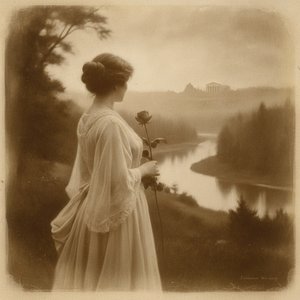
Explore the profound history of Pictorialism, the revolutionary movement that elevated photography to a fine art. Uncover how visionaries used painterly techniques and soft focus to transcend mere documentation, imbuing the lens with the emotional depth of classical masterpieces.


 送る
送る シェア
シェア
 詳細情報
詳細情報 ガイドを表示

 画像をダウンロード
 似ている作品
 スライドショー
 Q&A
Q&A 統計情報
統計情報


 続きを読む
続きを読む






































 ガラスオプションは、110cm未満のサイズでのみご利用いただけます。


