Acrylic On CanvasWallArtImpressionism
 1935
1935 53.0 x 40.0 cm
 ザ・ローリー美術館
当社のアーティストが、お客様のご希望のサイズと額縁に合わせて、キャンバスに手描きで制作する油彩画です。 ( Switch to Print Switch to Digital Image)





























作品のオリジナル比率に合わせた、当店の規定サイズからお選びください。

特定のフレームやスペースに合わせて、ご希望のサイズをご入力いただけます。選択されたサイズが元の画像の比率と異なる場合、アートワークをトリミングするか、手描きで要素を追加して絵画を拡張いたします。デジタルモックアップ を制作し、制作開始前にご確認(承認)をいただきます。
画面上のプレビューは、実際のトリミングや拡張を正確に反映しているものではありません。最終的な構図は、モックアップによってのみ正確にご確認いただけます。
カスタムサイズもご利用いただけますが、元の比率を維持するためには、あらかじめ用意されたリストからサイズを選択することをお勧めいたします。

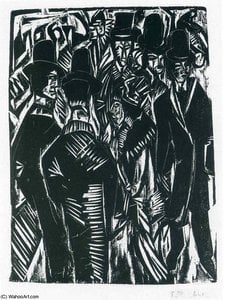
A Fight
複製画のサイズ
Laurence Stephen Lowry (1887–1976), arguably Britain's most beloved artist of the twentieth century, possessed an extraordinary ability to distill complex emotions into deceptively simple depictions. “A Fight,” painted around 1935 and currently residing in The Lowry Collection in Salford, exemplifies this masterful approach—a snapshot of a moment frozen in time against the backdrop of Northern England’s industrial heartland.
Lowry's distinctive style – often described as ‘matchstick men’ – eschewed academic conventions for an observational realism that prioritized atmosphere and feeling over meticulous detail. He achieved this remarkable feat primarily through watercolor and gouache, mediums he skillfully manipulated to convey subtle nuances of expression. The muted palette—dominated by earthy browns and greys—mirrors the bleakness of the industrial environment depicted, yet simultaneously imbues the scene with a palpable sense of unease.
The painting captures a seemingly unremarkable tableau: a group of men gathered outside what appears to be a lodging house. However, Lowry’s genius lies in his rendering of unspoken tension. The figures stand rigidly together, their postures conveying apprehension and suppressed aggression. A handshake signifies an attempt at reconciliation, but the overall impression is one of unresolved conflict—a microcosm of the anxieties prevalent during the era.
Lowry's meticulous attention to detail—particularly in capturing the textures of clothing and buildings—further enhances the painting’s impact. Notice the subtle variations in shade that delineate the contours of the figures, creating a sense of depth and solidity despite the stylized representation. The inclusion of a cat perched on the pavement adds an element of unexpected charm, subtly disrupting the seriousness of the scene and hinting at a quiet observation amidst the turmoil.
“A Fight” transcends mere visual description; it’s a poignant meditation on human interaction and the pervasive influence of circumstance. Lowry's ability to convey emotion through understated imagery solidified his legacy as an artist who captured the spirit of his time—a testament to the enduring power of observation and artistic sensitivity.
Further research suggests that Lowry witnessed this scene outside a lodging house in Manchester. ‘What fascinates me is…the atmosphere of tension when something has happened…Where there’s a quarrel there’s always,’ he reportedly remarked about his artistic process.
You can explore more about Lowry and “A Fight” on Google Arts & Culture or delve into the broader context of industrial England through Wikipedia’s disambiguation page.
For a deeper appreciation of Lowry's artistic vision, consider visiting The Lowry and examining high-quality reproductions of his celebrated works.

1887年、チェシャー州ストレトフォードの中心部で生まれたローレンス・スティーブン・ローリーは、20世紀美術におけるイギリスで最も愛され、かつ独特な存在感を放つ芸術家の一人です。今日、彼の名は北イングランドの荒々しくも情緒豊かな風景と分かちがたく結びついていますが、国際的な称賛へと至る道のりは、ゆっくりとした、切実な歩みでした。人生の大部分において、ローリーは「静かなる観察者」として生きました。日中は家賃徴収人として働き、夜には自らの技を磨くという二重の生活を送っていたのです。この日常的な営みが、産業化が進む街の、リズムを刻みながらも時に過酷な鼓動を、比類なき親密さをもって見つめることを可能にしました。彼の作品は、単にサルフォードやペンドルベリーの煙に覆われた地平を描写しているだけではありません。そこには人間存在への深い感受性が宿っており、産業時代の峻厳な現実の中に、静かな尊厳を見出しているのです。
ローリーの芸術的発展は、彼を取り巻く環境に深く根ざしていましたが、その技術的な基盤は、形態と光に対する緻密な研究の上に築かれました。初期には印象派やポスト印象派の原理に影響を受け、表面的な描写を超えて、情景の本質を捉えようと試みました。マンチェスター美術学校での初期の訓練は、広大な工場群や混雑した街路を、より象徴的なものへと昇華させるための道具を彼に授けました。画風が成熟するにつれ、彼は壮大な物語から離れ、観察による微細なニュアンスに焦点を当てる道を選びました。また、フレークホワイト、アイボリーブラック、バーミリオン、プルシアンブルー、イエローオーカーといった極めて限定されたパレットを駆使することで、現実感に根ざしながらも、どこか夢幻的でシュールレアリスムにも似た高揚感を湛えた構図を生み出したのです。
ローリーが遺した最も不朽のレガシーは、いわゆる「マッチスティック・メン(棒人間)」の創造と言えるでしょう。影や明確な顔立ちを持たない、様式化され簡略化されたこれらの人物像は、彼の描く都市風景の中に、集団的な動きと共有された運命を感じさせながら点在しています。ローリーはこれらの人物を通じて、賑やかな街角の情景を、共同体と孤独に関する詩的な瞑想へと変容させました。サッカーの試合へと向かう人々、紡績工場の近くに集まる群衆、あるいは公園を彷彿とさせる場所を彷徨う姿――それらのキャラクターは、労働者階級の強靭さを体現しています。巨大で重々しい産業構造物の背景の中に、これら小さく脆い形態を配置する手法には、抗いがたい美しさが宿っています。そこには、産業の記念碑的なスケールと、人間の生命の繊細さとの間に生まれる、緊張感に満ちたドラマが存在しています。
有名な都市風景以外にも、ローリーのレパートリーは驚くほど多様であり、深い洞察力と好奇心に満ちた芸術家としての側面を露わにしています。産業風景が最も名高い主題ではありますが、彼は以下のような領域も探求しました。
1939年のロンドンでの初個展を経て、彼は国内的な名声を得ることとなりましたが、ローリーの真の影響力は、イングランドの風景を再定義したその手法にあります。彼は進歩を美化したり、英雄的な景色を描こうとしたりしたわけではありません。むしろ、ありふれた日常や憂鬱な情景の中にこそ、美を見出したのです。北西部の煤に汚れた街路の中に切実な美しさを見出すその才能は、彼の作品をイギリスの文化的アイデンティートの礎石へと押し上げました。今日、サルフォード・キーズのザ・ローリー(The Lowry)のような施設は、彼の膨大な遺産の重要な守護者として、世界最大級のコレクションを収蔵しています。
ローリーの重要性は、自らの時代の困難な現実から目を逸らさなかったその姿勢にあります。共感と様式的な革新をもって普通の人々の生活を記録することで、彼は産業化されたイングランドの精神が、単なる歴史としてではなく、「芸術」として保存されることを確かなものにしたのです。彼は今なお空気感の巨匠であり、どれほど混雑した産業的な環境であっても、そこには深遠で静かな魔法が見出せるのだということを証明し続けています。

1887 - 1976 , イギリス

Discover the ethereal beauty of watercolor through an art-historical lens. Master the delicate balance of light, fluidity, and pigment to capture the luminous essence of nature, inspired by the legendary techniques of the Old Masters and Impressionist greats.

 プレビュー
プレビュー
 シェアする
シェアする シェアする
シェアする
 詳細を見る
詳細を見る

 ダウンロード
 似ている作品
 X線調査
X線調査 スライドショー
 Stats
Stats 詳細を見る
詳細を見る









 ガラスオプションは、110cm未満のサイズでのみご利用いただけます。