
当社のアーティストが、お客様のご希望のサイズと額縁に合わせて、キャンバスに手描きで制作する油彩画です。 ( プリント版に切り替え デジタル画像販売へ切り替え)





























作品のオリジナル比率に合わせた、当店の規定サイズからお選びください。

特定のフレームやスペースに合わせて、ご希望のサイズをご入力いただけます。選択されたサイズが元の画像の比率と異なる場合、アートワークをトリミングするか、手描きで要素を追加して絵画を拡張いたします。デジタルモックアップ を制作し、制作開始前にご確認(承認)をいただきます。
画面上のプレビューは、実際のトリミングや拡張を正確に反映しているものではありません。最終的な構図は、モックアップによってのみ正確にご確認いただけます。
カスタムサイズもご利用いただけますが、元の比率を維持するためには、あらかじめ用意されたリストからサイズを選択することをお勧めいたします。

Paul Hartland Carnival. Composition with two masks .
複製画のサイズ
László Moholy-Nagy’s “Paul Hartland Carnival. Composition with two masks.”, created in 1934, isn't merely a painting; it’s an immersive journey into the subconscious, a vibrant collision of memory and illusion rendered in bold colors and fragmented forms. This artwork, now available as a high-quality reproduction through WahooArt.com, stands as a testament to Moholy-Nagy’s pioneering spirit – his relentless experimentation with photography, collage, and the very nature of perception. It's a piece that immediately demands attention, pulling the viewer into its dreamlike atmosphere and prompting questions about identity, representation, and the power of visual language.
At first glance, the composition appears chaotic—two figures, their faces obscured by layers of textured material, dominate the central space. However, a closer look reveals a carefully orchestrated balance. Sharp angular lines intersect with softer curves, creating a dynamic tension that mirrors the complexities of human experience. The use of reflective surfaces – cellophane, perhaps, or other translucent materials – adds an ethereal quality, blurring the boundaries between reality and illusion. Fragments of what seem to be photographs, printed matter, and even architectural elements are interwoven, suggesting a world constructed from disparate memories and experiences.
To fully appreciate “Paul Hartland Carnival,” it's crucial to understand the context of Moholy-Nagy’s artistic philosophy, which he termed "New Vision." Rejecting traditional notions of representation, he believed that photography could reveal hidden aspects of reality – a world beyond what the eye perceives. This concept profoundly influenced his work, leading him to experiment with photograms (images created by placing objects directly on light-sensitive paper) and other techniques designed to manipulate perception. He sought to capture not just appearances but also the *feeling* of a subject, translating it into visual form.
The artwork’s vibrant color palette – dominated by reds, yellows, and blues – further reinforces this sense of heightened emotion and subjective experience. These aren't naturalistic colors; they are deliberately chosen to evoke specific moods and sensations. The use of contrasting hues creates a dynamic visual rhythm, drawing the eye across the composition and adding to its overall intensity.
“Paul Hartland Carnival” was created during a period of profound social and artistic upheaval. The early 1930s witnessed the rise of Dadaism in Europe, a movement that challenged traditional notions of art and embraced absurdity and anti-establishment sentiment. Simultaneously, Constructivism – a Russian avant-garde movement focused on geometric abstraction and industrial materials – was gaining momentum. Moholy-Nagy’s work reflects these influences, blending elements of both styles while forging his own unique visual language.
His time at the Bauhaus school in Weimar further shaped his artistic approach, emphasizing design principles and exploring new technologies. The artwork's fragmented composition and use of unconventional materials can be seen as a direct response to the rapidly changing world around him – a world grappling with industrialization, urbanization, and the anxieties of modernity. It’s a visual echo of the era’s dynamism and uncertainty.
While the specific meaning of “Paul Hartland Carnival” remains open to interpretation, it's clear that the two masked figures represent something deeper than mere portraits. They could symbolize duality, hidden identities, or perhaps the fragmented nature of selfhood. The masks themselves suggest a deliberate concealment, inviting us to question what lies beneath the surface.
Ultimately, this artwork is an invitation to engage with our own subconscious – to explore the layers of memory, emotion, and experience that shape our perceptions. It’s a powerful reminder of the transformative potential of art, capable of transporting us beyond the realm of the literal and into the depths of the human psyche. A reproduction of “Paul Hartland Carnival” offers a captivating glimpse into Moholy-Nagy's visionary world, bringing this extraordinary piece to your home or office.

ラズロ・モホリ=ナジは、ハンガリーが生んだ極めて多才で影響力に満ちた画家、写真家、彫刻家、そしてデザイナーでした。バウハウス校への多大な貢献、そして構成主義、タイポグラフィ、写真、キネティック・アートにおける先駆的な活動は、美術史に燦然たる足跡を残しています。彼の芸術哲学の核心は、テクノロジーと産業を芸術へと融合させることにありました。彼は、近代化する世界をありのままに受け入れ、新たな創造性のヴィジョンを提唱し続けたのです。
ハンガリーのバチボロドにて、ラズロ・ヴァイズという名でユダヤ系の家庭に生まれた彼は、後にモホリ=ナジという姓を名乗ることになります。親族には、世界的な指揮者サー・ゲオルグ・ソルティがいました。ブダペストで法学を学んでいた彼は、第一次世界大戦への従軍中に重傷を負うという過酷な経験をします。しかし、この苦難の時期こそが、雑誌「Jelenkor」やラヨシュ・カッサーク率いる「Ma」を中心としたアヴァンギャルドな運動に彼を触れさせる契機となりました。
戦後、彼はハンガリーのフォーヴィスム(野獣派)の画家ロベルト・ベーニィに師事し、近代的な芸術潮流への鋭い関心を示していきます。また、一時的にハンガレルギーニズム運動を支持したことも、彼の思想形成における重要な一節です。モホリ=ナジは、幾何学的な抽象化と工業素材を重視する構成主義やシュプレマティスム(絶対主義)から強い影響を受けました。これらの潮流が織りなす美学は、彼の後年の作品群の中に鮮明に息づいています。
1923年、モホリ=ナジはドイツのワイマールにあるバウハウス校に加わりました。当初はヨーゼフ・アルバースと共に予備課程の共同講師を務め、やがてヨハネス・イッテンの後任として金属工房の責任者に就任します。彼の到来は、バウハウスの方向性を表現主義的な傾向から、より構成主義的でデザイン志向の強いアプローチへと転換させる決定的な瞬間となりました。これは、学校が本来掲げていた理念とも深く共鳴するものでした。
彼を最も象徴付けるのは、「新しい視覚(Neues Sehen)」という言葉の提唱です。これは、カメラというレンズを通じることで、人間の肉眼では捉えきれない現実の断片を露わにできるという信念に基づいています。この概念こそが、彼の写真表現や芸術的実験の根幹となりました。例えば、カメラを使わず感光紙の上に直接物体を置いて像を作る「フォトグラム」の手法は、写真における革新的なアプローチの極致といえるでしょう。また、金属、プレキシガラス、電気照明といった工業素材を彫刻やデザインに取り入れることで、彼は芸術とテクノロジーの融合という自らの信念を具現化していったのです。
1930年に完成したキネティック・彫刻「光の空間調節器(Lichtrequisit einer elektrischen bühne)」は、動くパーツと投影される光を用いて周囲の面にダイナミックなパターンを描き出し、後のキネティック・アートやライト・アートの先駆的な作品として高く評価されています。写真や映画の分野においても、フォトモンタージュや実験的なライティングといった型破りな技法を用い、抽象性、質感、そして動きを追求しました。
教育者としての彼の遺産もまた、計り知れないものです。バウハウスでの指導に加え、後に自身が設立したシカゴの「ニュー・バウハウス」を通じて、次世代のアーティストやデザイナーたちに深い影響を与えました。さらに、その活動は純粋芸術の枠を超え、舞台美術のデザインや広告キャンペーンの制作に至るまで多岐にわたりました。その多才な手腕は、まさに彼のデザイン哲学そのものを体現していたのです。
ラズロ・モホリ=ナジは、20世紀モダンアートにおける極めて重要な人物として君臨しています。彼は絵画、彫刻、写真、そしてインダストリアル・デザインの境界を融解させ、それらを一つの地平へと結びつけました。バウハウスのカリキュラムや美学を形作った彼の貢献は、世界のデザイン教育に永続的な影響を与え続けています。
テクノロジーを芸術へと統合しようとした彼の情熱は、現代のアート・プラクティスにおける多くの発展を先取りするものでした。「新しい視覚」という彼が遺した概念は、今なお、革新的な技法を通じて知覚と表現の可能性を探求しようとするアーティストや写真家たちに、尽きることのないインスピレーションを与え続けているのです。

1895 - 1946 , ハンガリー

Explore the profound impact of the Pop Art Revolution on modern aesthetics. From Lichtenstein’s dots to Warhol’s icons, gain expert insights into how this vibrant movement redefined culture through consumerism and mass media. A definitive guide for art lovers and collectors.
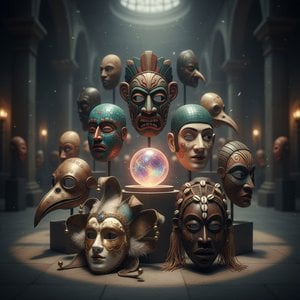
Embark on a profound journey through the world's most iconic mask artworks. Explore the spiritual depth, intricate craftsmanship, and rich cultural heritage of global traditions, from Chhau to Gomira, in this expert-led exploration of ancestral artistry and symbolic beauty.
Embark on a curated journey through Pop Surrealism, where vibrant cultural icons collide with the profound depths of the subconscious. An authoritative exploration for discerning collectors seeking to masterfully integrate dreamlike landscapes and bold aesthetics into modern interiors.

Dive into the vibrant world of Pop Art. Explore iconic masterpieces from Warhol to Haring, discover how bold colors and mass media redefined art history, and learn to curate high-impact, colorful pieces for your modern home collection.

Explore the visceral power of Aggressive Confrontational Pop. From the rebellion of NO!art to Neo-Pop icons, discover how bold aesthetics and social critique redefined modern art for today's discerning collectors.


 プレビュー
プレビュー
 シェアする
シェアする シェアする
シェアする
 詳細を見る
詳細を見る

 ダウンロード
 似ている作品
 X線調査
X線調査 スライドショー
 統計情報
統計情報


 詳細を見る
詳細を見る









 ガラスオプションは、110cm未満のサイズでのみご利用いただけます。


