

このページに掲載されている作品は著作権法によって保護されており、当社の許可なく同一の複製物を制作または販売することは法律で禁じられています。この保護は、以下のような国際条約に基づき執行されます。 ベルヌ条約 および、以下の条項に定められたものを含む各国の法律により、 米国著作権法 第17編。
この手法は、著作権で保護された作品の複製や複写を伴わないため、著作権法に完全に準拠しています。これは単なる模倣ではなく、創造的な再解釈です。元の作品からインスピレーションを受けつつも、それとは異なる、全く新しい絵画を生み出すものです。
スピーディーな制作と多彩な仕上げオプションが魅力の、ミュージアムクオリティなジークレー・キャンバスプリント。 ( 手描きの複製画を注文する デジタル画像販売へ切り替え)





























作品のオリジナル比率に合わせた、当店の規定サイズからお選びください。

額縁や壁のスペースに合わせて、ご希望の幅と高さを入力してください。プリントはカットすることは可能ですが、元の画像より大きくすることはできないため、異なる比率のサイズを選択された場合は、画像の一部が欠けることになります。印刷を開始する前に、内容を確認していただくためのデジタルモックアップをお送りいたします。このページに表示されている画像は、実際のカット後の状態を示すものではありません。実際の仕上がりはモックアップにてご確認ください。
Slience=Death
複製画サイズ一覧
Keith Haring’s “Slience=Death,” painted in 1989, isn't merely an image; it’s a visceral cry against indifference—a potent emblem born from the heart of the AIDS epidemic. This arresting black-and-pink painting, now meticulously reproduced, transcends its origins to become a timeless statement on social responsibility and the urgent need for awareness. Haring, already a rising star in New York's vibrant street art scene, channeled his artistic energy into confronting a crisis that was tragically silencing an entire generation. The work’s genesis lies within the ACT UP movement – the AIDS Coalition to Unleash Power – a group dedicated to demanding action and challenging governmental apathy surrounding the burgeoning disease.
The composition itself is immediately striking. A dominant pink triangle, instantly recognizable as a symbol of LGBTQ+ pride reclaimed from its Nazi origins, dominates the canvas. This isn’t simply a decorative element; it represents the marginalized community bearing the brunt of the crisis. Beneath this powerful shape, a chaotic yet carefully orchestrated scene unfolds: figures in various postures – standing, lying down, and even crawling – are rendered in Haring's signature bold black lines. These aren’t realistic portraits but stylized representations of individuals grappling with fear, uncertainty, and ultimately, silence. The inclusion of the “Radiant Babies,” recurring motifs in Haring’s work, adds a layer of poignant vulnerability, suggesting the future threatened by inaction.
Haring’s genius lay in his ability to distill complex emotions and social issues into universally understood symbols. The pink triangle, as previously used to identify homosexuals during the Holocaust, was deliberately repurposed here, transforming from a mark of oppression into a beacon of resilience and solidarity. The crawling “radiant babies” are particularly significant; they represent the children at risk, highlighting the devastating impact of AIDS on families and future generations. The figures themselves aren’t static; they're engaged in a silent dialogue, conveying a sense of collective anxiety and shared experience. Haring masterfully employed repetition and simplified forms to create an image that is both immediate and deeply affecting.
The choice of black as the primary color isn’t arbitrary. It represents the darkness of ignorance, denial, and the systemic failures that exacerbated the AIDS crisis. The stark contrast against the vibrant pink amplifies the emotional impact, forcing the viewer to confront the uncomfortable reality of the situation. Haring's deliberate use of line – thick, confident strokes defining each figure – contributes to the painting’s dynamic energy, mirroring the urgency and passion of the ACT UP movement.
“Slience=Death” emerged during a pivotal moment in art history—a time when artists were increasingly using their platforms to address social and political issues. Keith Haring’s work, often rooted in street art aesthetics, brought these concerns directly to the public consciousness. His willingness to engage with difficult subjects like AIDS, racism, and police brutality established him as a powerful voice for marginalized communities. The painting's immediate success helped raise awareness about the disease and fueled activism within the LGBTQ+ community.
Beyond its historical significance, “Slience=Death” continues to resonate today. It serves as a potent reminder of the importance of empathy, compassion, and collective action in the face of injustice. The work’s enduring appeal lies not only in Haring's distinctive artistic style but also in its timeless message—a plea for silence to be broken and for humanity to confront uncomfortable truths. Reproductions of this powerful artwork offer a tangible connection to this critical moment in history, allowing viewers to engage with Haring’s vision and contribute to the ongoing conversation about social responsibility.
Reproductions of “Slience=Death” are available through reputable art reproduction specialists like WahooArt.com, ensuring high-quality prints that faithfully capture the original's impact. When selecting a reproduction, consider factors such as archival quality and printing method to ensure longevity and color accuracy. The vibrant pink and bold black lines of Haring’s work demand careful attention to detail in the reproduction process – a skilled printer will be able to accurately convey the painting’s dynamic energy and emotional depth.
Whether displayed in a private residence or incorporated into a public space, “Slience=Death” remains a compelling testament to Keith Haring's artistic legacy and his unwavering commitment to social justice. It is more than just an image; it’s a call to action—a reminder that silence can be as destructive as any force and that art has the power to ignite change.
キース・ヘリング作「Slience=Death」は著作権により保護されていますです。著作権の保護期間は、1990年に亡くなった作家の没年から起算されます。
「Slience=Death」の彩度はBalancedです。彩度とは、色の鮮やかさの度合いを表します。
キース・ヘリング作「Slience=Death」は1989年に制作されたもので、Pop Artに属します。
キース・アレン・ヘアリングという名は、1980年代のニューヨーク市の活気あふれる鼓動と切り離せないものであり、単なる芸術家という言葉では到底語り尽くせません。彼は文化現象そのものでした。1958年5月4日、ペンシルベニア州リーディングに生まれた彼の芸術的な旅路は、学問的な訓練の形式的な枠組みの中ではなく、むしろ子供時代の想像力の遊び心あふれる風景の中で始まりました。ウォルト・ディズニーやドクター・スースの気まぐれな漫画、そしてチャールズ・シュルツの古典的なコミックストリップに影響を受けながら、幼いキースは視覚的な物語を語る鋭い眼差しを養っていきました。彼自身のアマチュア漫画家であった父アラン・ヘアリングがこの初期の情熱を育み、意図せずして革命的な芸術的声の土台を築き上げました。この形成期に、ヘアリングは太い線、単純化されたフォルム、そして誰もが理解できる物語への愛着を抱くようになり、これこそが彼の代名詞となるスタイルを定義する資質となりました。ピッツバーグのアイヴィ・スクール・オブ・プロフェッショナル・アートでの短い経験は息苦しく終わり、彼はロバート・アンリの『芸術の精神』に触発され、直接的で個人的な表現を切望し、自らの視覚言語を築き上げるという自己発見の道へと進んでいきました。
1970年代後半にニューヨーク市に移り住んだことは決定的な転機となりました。この街の中心部のアートシーンは創造性のるつぼであり、ヘアリングはすぐにその中に身を浸し、ケニー・シャーフやジャン=ミシェル・バスキアといった芸術家たちと友情を育みました。しかし、彼は自分の作品をギャラリーやアトリエの中に閉じ込めることに満足しませんでした。それどころか、彼は自らの芸術を人々の元へ直接届け、ニューヨークの地下鉄駅にある使われなくなった広告パネルをキャンバスとして利用したのです。黒いマットな紙に白いチョークを使い、ヘアリングは吠える犬、輝く赤ん坊、踊る人々のシンボルといったダイナミックな図像と記号の連続を生み出し、通勤客を魅了し、日常的な風景を芸術的な出会いの瞬間に変貌させました。これらの「地下鉄の描画」は単なる破壊行為ではありませんでした。それらは公衆への贈り物であり、生命とエネルギーの自発的な表現だったのです。この大胆な行動が、彼を勃興するストリートアート運動における独自の声として確立し、伝統的な門番たちを迂回して観客と直接繋がることを可能にしました。まさにここで、ヘアリングはアクセシビリティ、楽観主義、そして根底にある社会批評性によって特徴づけられる、自身の象徴的な視覚語彙を発展させ始めたのです。おそらく彼の中で最も認識されているモチーフである「輝く赤ん坊」がこの時期に登場し、無垢さ、純粋さ、そして生命の尊さの象徴となりました。
1980年代を通じてヘアリングの名声が高まるにつれて、彼がアートを社会変革の乗り物として用いるというコミットメントも深まっていきました。彼の作品は、エイズのパンデミック、薬物乱用、人種的不平等、政治的抑圧といった当時の喫緊の課題にますます向き合うようになりました。ハーレムのハンドボールコートに描かれた荒々しい壁画『Crack is Wack』(1986年)は、街が抱えるクラックコカイン危機との闘いの象徴的なシンボルとなりました。彼はエイズパンデミックの最中に安全な性行為を提唱するポスターをデザインし、その鮮やかなイメージを用いて重要な公衆衛生メッセージを届けました。彼の活動主義は国境を越え、1985年には『自由南アフリカ』のポスターを制作し、1986年にはベルリンの壁の一部を描き加えました。これは分断と抑圧に対する力強い声明でした。ヘアリングがアンディ・ウォーホルと関わったことは、彼をアート界における地位をさらに強固なものにし、「アンディマウス」のようなポップカルチャーやセレブリティに関する遊び心がありながらも痛切な批評を含むコラボレーションへと繋がりました。彼は、芸術には境界を超越し、対話を呼び起こし、行動を促す力があることを理解していたのです。
1990年2月16日、31歳という若さでエイズ関連の合併症により早世したにもかかわらず、キース・ヘアリングの遺産は今日なお響き渡っています。彼の作品は、その美的な魅力だけでなく、社会正義と人間的な繋がりへの揺るぎないコミットメントによっても称賛されています。日本の北斗にある中村キース・ヘアリングコレクションは、彼のグローバルな影響力の証として存在し、膨大な数のドローイング、絵画、彫刻を収蔵しています。世界中の美術館が彼の壁画や作品を展示することで、そのメッセージが新しい世代に届き続けています。彼の『ブループリント・ドローイング』は、落下する人々の印象的な白黒の描写を通じて、単純なフォルムで複雑な感情を伝える彼の能力を体現しています。ヘアリングの影響は、現代のストリートアート、グラフィックデザイン、そしてポップカルチャーに見ることができます。彼は、芸術がアクセスしやすく深遠であり、遊び心がありながらも政治的に帯電することができることを証明したのです。
彼は、意図と情熱をもって振るわれた一本の線が世界を変えることができることを証明しました。彼の作品は、創造性を善のための力として用いることの重要性という力強いリマインダーであり続け、アーティストや活動家たちを巻き込み、権力に対して真実を語り、より公正で平等な未来のために提唱するよう鼓舞しています。ヘアリングの世界を探求することは、彼のビジョンに対するより深い理解をもたらします。キース・ヘアリング財団(haring.com)のような資料は、彼の作品の広範なアーカイブと、彼の芸術的プロセスに関する洞察を提供してくれます。彼の遺産は単なるイメージの集合体ではなく、私たちの周りの世界に関わり、前提に疑問を投げかけ、アートを変化の触媒として受け入れるための招待状なのです。

1958 - 1990 , アメリカ合衆国
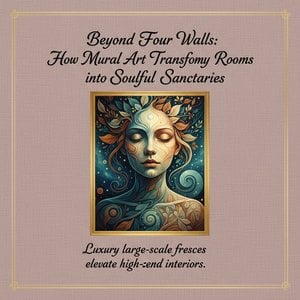
Discover how bespoke mural art transforms empty spaces into soulful sanctuaries. Explore the luxury of large-scale architectural frescoes, geometric abstractions, and custom oil paintings designed to elevate high-end interiors with unparalleled artistry and emotional depth.

Elevate your hospitality projects with our expert trend forecast on luxury murals. From biophilic botanical jungles to opulent gold leaf geometry, discover how bespoke large-scale wall art and custom frescoes can transform hotel interiors into unforgettable architectural statements.

 設置イメージを確認
 送る
送る シェア
シェア
 詳細情報
詳細情報 ガイドを表示

 画像をダウンロード
 似ている作品
 X線調査
X線調査 スライドショー
 統計情報
統計情報


 続きを読む
続きを読む









 ガラスオプションは、110cm未満のサイズでのみご利用いただけます。


