
迅速な制作と多彩な仕上げオプションを備えた、ミュージアムクオリティのジークレーまたはキャンバスプリント。 ( 手描きの絵画を購入 デジタル画像販売へ切り替え)





























作品のオリジナル比率に合わせた、当店の規定サイズからお選びください。

特定のフレームやスペースに合わせて、ご自身でサイズを指定することも可能です。選択されたサイズが元の画像の比率と一致しない場合、作品をトリミングするか、鏡面反射または単色での塗りつぶしによって画像を拡張いたします。制作を開始する前に、ご確認用のデジタルモックアップをお送りいたします。
画面上のプレビューには、実際のトリミングや拡張は反映されませんのでご注意ください。最終的な構図を正確に確認できるのは、モックアップのみとなります。
カスタムサイズも承っておりますが、元の比率を維持するためには、あらかじめ用意されたリストからサイズを選択することをお勧めいたします。

The Downtrodden
複製画のサイズ
Käthe Kollwitz’s “The Downtrodden,” created in 1901, isn't merely a depiction of poverty; it’s a visceral embodiment of the crushing weight of social injustice and the quiet dignity of those enduring its relentless grip. This powerful etching, rendered in stark black and white with masterful cross-hatching, speaks volumes about the anxieties and realities of late 19th-century Germany – a nation grappling with rapid industrialization, burgeoning class divisions, and the profound suffering of its working classes.
At first glance, the composition appears deceptively simple. A woman, her face etched with worry and exhaustion, cradles the lifeless head of a child in her lap. Beside her stands a man, his shoulders slumped, his hand instinctively covering his face – an act that simultaneously conveys grief, shame, and perhaps even a sense of helplessness. The setting is deliberately bleak: a dimly lit room, devoid of warmth or comfort, emphasizing the isolation and despair of their situation. The figures are not presented as victims in a melodramatic fashion; rather, they are rendered with a quiet realism that underscores the profound sadness of their circumstances.
Kollwitz’s genius lies in her ability to translate raw emotion onto the printed page. She expertly utilizes the techniques of etching, drypoint, aquatint, and burnisher – a complex layering process that allows for incredible tonal variation and subtle shading. The deep blacks create an atmosphere of oppressive darkness, while the delicate cross-hatching defines the figures with remarkable precision, highlighting their vulnerability and emphasizing the weight of their burdens. Notice how the child’s head and shoulders stand out in stark relief against the dark background – a poignant reminder of lost innocence and shattered dreams. The artist's choice to work primarily in monochrome amplifies the emotional intensity, stripping away any potential distractions and focusing solely on the core themes of suffering and resilience.
“The Downtrodden” is rich with symbolic meaning. The rope held by the man represents a desperate attempt to escape the crushing weight of their poverty – a silent allusion to suicide, a tragically common outcome for those trapped in cycles of deprivation. The averted gaze of the father speaks volumes about his inability to provide and his own internal struggle with grief and shame. Kollwitz herself was deeply committed to social justice, drawing inspiration from her husband’s work as a physician treating impoverished patients. This piece is not simply a portrayal of hardship; it's a direct indictment of the societal forces that perpetuate poverty and suffering – a powerful call for empathy and reform.
Käthe Kollwitz’s “The Downtrodden” remains a profoundly moving work, resonating with viewers across generations. It serves as a stark reminder of the human cost of inequality and the enduring power of compassion. Reproductions of this iconic etching offer a valuable opportunity to engage with one of the 20th century's most important voices in social art – an artist who used her talent not for personal glory, but to bear witness to the struggles of the marginalized and forgotten.


1867 - 1945 , ロシア

Discover the profound power of Expressionist art. From the raw intensity of Edvard Munch to the visceral textures of Neo-Expressionism, explore how subjective emotion and distorted reality define this movement. An expert guide for discerning collectors seeking depth and soul in fine art.
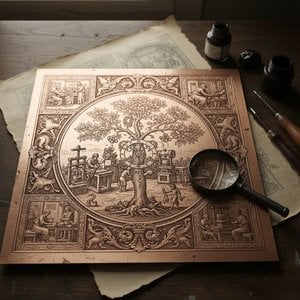
Explore the intricate world of etching and intaglio printmaking. Discover how masters use acid and metal to create profound textures and lines, from Romanticism to modern era, through an expert lens of art history and technical mastery.


 プレビュー
プレビュー
 シェアする
シェアする シェアする
シェアする
 詳細を見る
詳細を見る

 ダウンロード
 似ている作品
 X線調査
X線調査 スライドショー
 統計情報
統計情報

 詳細を見る
詳細を見る









 ガラスオプションは、110cm未満のサイズでのみご利用いただけます。


