プレビュープレビュー ARで試着ARで試着 プリント版に切り替え プリント版に切り替えデジタル画像販売へ切り替え デジタル画像販売へ切り替え シェアするシェアする
詳細を見る詳細を見る お気に入りに追加 お気に入りに追加 ダウンロードダウンロード 似ている作品似ている作品 X線調査X線調査 スライドショースライドショー 統計情報統計情報

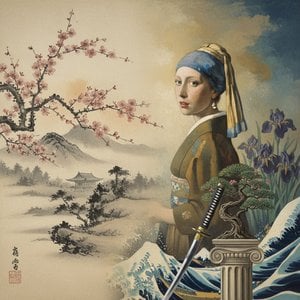
Untitled (D2X7EH)

Ancient Japanese painting by kasuga motomitsu (301). A serene vertical scroll depicting a monk & boy in muted tones. Explore this exquisite silk artwork's symbolism & traditional Buddhist style.

Discover kasuga motomitsu, a renowned Japanese artist of the Kamakura period known for exquisite silk paintings featuring bold colors, delicate lines, and traditional motifs like cherry blossoms and dragons. Explore his masterpieces and lasting legac

手描き油彩複製画

当社のアーティストが、お客様のご希望のサイズと額縁に合わせて、キャンバスに手描きで制作する油彩画です。 (プリント版に切り替え プリント版に切り替えデジタル画像販売へ切り替え デジタル画像販売へ切り替え)

標準サイズ
オーダーメイド
CM
INCH

作品のオリジナル比率に合わせた、当店の規定サイズからお選びください。

高さ

特定のフレームやスペースに合わせて、ご希望のサイズをご入力いただけます。選択されたサイズが元の画像の比率と異なる場合、アートワークをトリミングするか、手描きで要素を追加して絵画を拡張いたします。デジタルモックアップ を制作し、制作開始前にご確認(承認)をいただきます。
画面上のプレビューは、実際のトリミングや拡張を正確に反映しているものではありません。最終的な構図は、モックアップによってのみ正確にご確認いただけます。
カスタムサイズもご利用いただけますが、元の比率を維持するためには、あらかじめ用意されたリストからサイズを選択することをお勧めいたします。

カスタマイズの例:顔をお客様の写真に置き換える、ペットを追加する(例:猫を犬に変更)、背景に隠れたメッセージを入れる、背景の風景や要素を変更するなど。
ご注文後、WahooArt.com チームより詳細な指示をお送りするとともに、仕上がりイメージ(モックアップ)をご提供いたします。

世界中への配送()は、通常の5週間ではなく、3〜4週間でお届けいたします。(12 9月)。品質には一切妥協いたしません。

why_choose_icon
世界中へ無料エクスプレス配送
why_choose_icon
高品質なリネンキャンバス
why_choose_icon
配送時完全保険付
why_choose_icon
関税・輸入税の払い戻し保証
why_choose_icon
忠実な色彩再現保証
why_choose_icon
100日間返品保証(製造上の欠陥がある場合のみ)
why_choose_icon
100% 全額返金保証
why_choose_icon
まとめ買い割引のご案内

合計金額

$ 297

reproduction

Untitled (D2X7EH)

複製技法

複製画のサイズ

-

合計金額

$ 297


アーティストの略歴

A Brush with Eternity: The World of Kasuga Motomitsu

Kasuga Motomitsu remains a figure shrouded in the mists of early Japanese art history, yet his influence resonates through centuries of Kamakura period (1185-1333) painting. Unlike many artists whose lives are meticulously documented, details surrounding Motomitsu’s existence are scarce. He wasn't a court painter celebrated with official commissions or extensive biographical records; instead, he emerged as a pivotal figure in the development of *yamato-e*, a distinctly Japanese style of landscape and narrative painting that prioritized intimate observation and emotional resonance over strict adherence to Chinese conventions. Born sometime in Japan during the late 10th or early 11th century, his story is largely reconstructed through analysis of his surviving works—most notably, the exquisite Portrait of Xuanzang (Genjō) with Attendant. This painting isn’t merely a portrait; it's a window into the spiritual world of the period and a testament to Motomitsu’s mastery of silk as a medium.

Early Influences and Artistic Training

The artistic landscape in which Motomitsu matured was undergoing significant transformation. Prior to the Kamakura period, Japanese painting had been heavily influenced by Chinese styles—particularly Song Dynasty landscapes and figure paintings. However, a growing desire for uniquely Japanese expression began to take root. Buddhist art played a crucial role in shaping Motomitsu’s early aesthetic sensibilities. The emphasis on intricate detail, symbolic representation, and the use of gold leaf and vibrant colors within religious iconography profoundly impacted his approach. He received training in traditional Japanese art forms, absorbing techniques passed down through generations of artisans. This foundation allowed him to skillfully blend established conventions with a burgeoning sense of individuality. It’s believed that Motomitsu's early work focused on Buddhist themes, preparing him for the complex task of depicting religious figures and narratives with both technical precision and spiritual depth.

The Portrait of Xuanzang: A Masterpiece Unveiled

Portrait of Xuanzang (Genjō) with Attendant, created in the 14th century, stands as Motomitsu’s most celebrated achievement—and arguably a defining work within *yamato-e*. The painting depicts the Chinese Buddhist monk Xuanzang, revered in Japan as Genjō, alongside an attendant. Measuring 123.8cm x 74.3cm, the silk canvas is imbued with a serene atmosphere and remarkable attention to detail. Motomitsu’s use of color is striking—not through bold extravagance but through subtle harmonies and delicate gradations. The rendering of Xuanzang himself is particularly noteworthy; his face conveys wisdom, compassion, and an inner tranquility that transcends mere physical representation. The landscape surrounding the figures isn't a realistic depiction of nature but rather a symbolic evocation of the spiritual realm—a space conducive to contemplation and enlightenment.

Style and Technique: A Delicate Balance

Motomitsu’s artistic style is characterized by a delicate balance between precision and expressiveness. His lines are fluid yet controlled, creating a sense of movement and vitality within his compositions. He skillfully employed traditional Japanese motifs, such as cherry blossoms—symbols of impermanence and renewal—and dragons, representing power and good fortune. The choice of silk as his medium was crucial to his artistic vision. Silk allowed him to achieve an unparalleled level of detail and luminosity, enhancing the ethereal quality of his paintings. His technique involved layering colors meticulously, creating depth and texture that draws the viewer into the artwork’s world. This painstaking process reflects a deep reverence for materials and a commitment to craftsmanship.

Legacy and Impact: Shaping Japanese Aesthetics

While concrete details about Motomitsu's life remain elusive, his impact on the development of Japanese art is undeniable. He helped pave the way for a more distinctly Japanese aesthetic—one that prioritized emotional resonance, intimate observation, and symbolic representation over strict adherence to Chinese conventions. His work influenced generations of artists who followed, inspiring them to explore new forms of expression within *yamato-e*. The Portrait of Xuanzang (Genjō) with Attendant continues to be revered as a masterpiece of Japanese art—a testament to Motomitsu’s skill, vision, and enduring legacy. He represents a pivotal moment in the transition from Chinese-influenced styles towards a uniquely Japanese artistic identity, leaving an indelible mark on the cultural landscape of Japan.

基本情報

  • Artistic Movement Or Style: World Goes Pop
  • Artists Or Movements Influenced By This Artist: ['Influences various contemporary artists']
  • Artists Who Influenced This Artist: ['Influenced by diverse artists within the World Goes Pop movement']
  • Date Of Death: Living
  • Notable Artworks: ['Various works featured in The World Goes Pop exhibition']
  • Place Of Birth: WahooArt