
 InkWallArtKanō school
 1600Early Modern
 178.0 x 366.0 cm
 国立古美術館
当社のアーティストが、お客様のご希望のサイズと額縁に合わせて、キャンバスに手描きで制作する油彩画です。 ( プリント版に切り替え デジタル画像販売へ切り替え)





























作品のオリジナル比率に合わせた、当店の規定サイズからお選びください。

特定のフレームやスペースに合わせて、ご希望のサイズをご入力いただけます。選択されたサイズが元の画像の比率と異なる場合、アートワークをトリミングするか、手描きで要素を追加して絵画を拡張いたします。デジタルモックアップ を制作し、制作開始前にご確認(承認)をいただきます。
画面上のプレビューは、実際のトリミングや拡張を正確に反映しているものではありません。最終的な構図は、モックアップによってのみ正確にご確認いただけます。
カスタムサイズもご利用いただけますが、元の比率を維持するためには、あらかじめ用意されたリストからサイズを選択することをお勧めいたします。

Namban folding screens
複製画のサイズ
In the grand tapestry of Japanese art history, few works capture the profound sense of cultural collision and curiosity as exquisitely as the Namban folding screens by the master Kanō Naizen. Created around 1600, this monumental masterpiece serves as a breathtaking visual chronicle of the "Nanban" period—a time when the arrival of Portuguese traders and missionaries brought a wave of unprecedented foreign influence to the shores of Japan. As one gazes upon these expansive screens, measuring an impressive 178 x 366 cm, they are immediately transported to the bustling ports of Nagasaki, where the horizon is dotted with the silhouettes of heavy European vessels navigating the delicate Japanese coastline.
The composition is a masterful dance of movement and stillness. Naizen skillfully populates the scene with a diverse array of figures, ranging from local Japanese onlookers to the "Southern Barbarians" themselves. The painting breathes with a lively, almost cinematic atmosphere; people are captured in mid-stride, walking through vibrant landscapes or gathered near the water's edge, creating a sense of a living, breathing moment frozen in time. This narrative depth is complemented by the strategic placement of boats that weave through the composition, guiding the viewer’s eye from the foreground festivities to the distant, mysterious reaches of the sea.
As a prominent figure within the illustrious Kanō school, Naizen utilized the sophisticated techniques passed down through generations of his lineage to achieve a level of detail that is nothing short of hypnotic. The artwork exemplifies the hallmark characteristics of the period: a brilliant use of gold leaf that catches the light, creating a luminous backdrop that elevates the subject matter from mere documentation to high art. This technique does more than just provide luxury; it creates a divine, ethereal space where the earthly events of trade and encounter feel monumental and sacred.
The artist’s brushwork is both precise and expressive, capable of rendering the intricate textures of period clothing, the structural complexity of maritime vessels, and the subtle emotional expressions on the faces of the crowd. For the discerning collector or interior designer, this piece offers a profound sense of prestige. The interplay between the rich, gilded surfaces and the detailed narrative elements provides a sophisticated focal point that can anchor a room, offering both historical gravity and an unparalleled aesthetic elegance. To possess a reproduction of such a work is to invite a piece of Japan's golden age into one's personal sanctuary, fostering an environment of deep reflection and cultural appreciation.


1570 - 1616 , Japan

Explore the profound beauty of Japanese landscape painting. From Hokusai's iconic vistas to Zen-inspired compositions, discover the spiritual depth and historical mastery of Ukiyo-e art in this expert cultural retrospective.
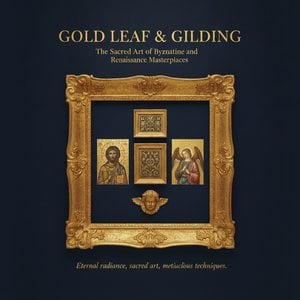
Explore the divine mastery of Byzantine gold leaf and gilding. Discover how ancient artisans used gold ground and mosaics to create celestial light, a timeless legacy of spiritual splendor and technical excellence in sacred art history.

Embark on a visual journey through the world's most radiant masterpieces. Discover how gold leaf, impasto textures, and gilded tones define luxury in fine art, from Byzantine icons to modern abstracts. Explore the eternal allure of gold in curated, museum-quality art collections.

Explore the profound beauty of Japanese Ukiyo-e art. Discover the legacy of Hokusai and the Utagawa school through an expert exploration of Edo-period aesthetics, seasonal motifs, and the enduring global influence of Japan's 'Floating World' on fine art history.
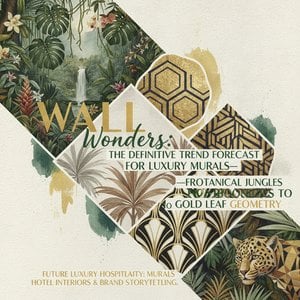
Elevate your hospitality projects with our expert trend forecast on luxury murals. From biophilic botanical jungles to opulent gold leaf geometry, discover how bespoke large-scale wall art and custom frescoes can transform hotel interiors into unforgettable architectural statements.


 プレビュー
プレビュー
 シェアする
シェアする シェアする
シェアする
 詳細を見る
詳細を見る

 ダウンロード
 似ている作品
 X線調査
X線調査 スライドショー
 統計情報
統計情報 詳細を見る
詳細を見る









 ガラスオプションは、110cm未満のサイズでのみご利用いただけます。


