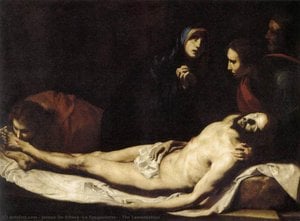
当社のアーティストが、お客様のご希望のサイズと額縁に合わせて、キャンバスに手描きで制作する油彩画です。 ( プリント版に切り替え デジタル画像販売へ切り替え)





























作品のオリジナル比率に合わせた、当店の規定サイズからお選びください。

特定のフレームやスペースに合わせて、ご希望のサイズをご入力いただけます。選択されたサイズが元の画像の比率と異なる場合、アートワークをトリミングするか、手描きで要素を追加して絵画を拡張いたします。デジタルモックアップ を制作し、制作開始前にご確認(承認)をいただきます。
画面上のプレビューは、実際のトリミングや拡張を正確に反映しているものではありません。最終的な構図は、モックアップによってのみ正確にご確認いただけます。
カスタムサイズもご利用いただけますが、元の比率を維持するためには、あらかじめ用意されたリストからサイズを選択することをお勧めいたします。

Saint Peter and Saint Paul
複製画サイズ一覧
Jusepe de Ribera's "Saint Peter and Saint Paul," painted circa 1630, is not merely a portrait; it’s a profound meditation on faith, mortality, and the enduring legacy of two pivotal figures in Christianity. Born in Xàtiva, Spain, in 1591, Jusepe de Ribera, or “Lo Spagnoletto” as he was known, forged a distinctive artistic path marked by dramatic chiaroscuro – an intense contrast between light and dark – and a brutally honest depiction of the human form. His time spent in Naples, under Spanish rule, profoundly shaped his style, imbuing it with a sense of gravitas and a fascination with religious subjects often rendered with unflinching realism.
The painting immediately commands attention through its masterful use of light. Ribera doesn’t shy away from the shadows; instead, he employs them to sculpt the figures, creating an almost sculptural quality. The deep, velvety blacks that envelop Peter and Paul are punctuated by shafts of brilliant illumination, highlighting their faces, hands, and the folds of their garments. This dramatic lighting isn't simply aesthetic; it serves to emphasize the spiritual weight of the scene, suggesting a divine presence casting its gaze upon these two venerable apostles.
Ribera’s depiction of Saint Peter and Saint Paul is remarkably unconventional for his time. Rather than presenting them as idealized saints radiating youthful beauty, he portrays them as men nearing the end of their lives – weathered, aged, and bearing the marks of earthly experience. Peter's face is lined with wrinkles, his beard thick and graying; Paul’s features are etched with a quiet sorrow. This deliberate choice to depict aging isn’t meant to diminish their importance but rather to underscore the universality of human suffering and the enduring power of faith in the face of mortality. The figures aren’t presented as triumphant heroes, but as men wrestling with doubt and seeking solace in their shared devotion.
Notice the subtle details: Peter holds a book open before him, suggesting his role as an interpreter of scripture; Paul clutches a scroll, perhaps representing his writings and teachings. Their hands are clasped together, symbolizing unity and fellowship within the Christian community. The posture of both men is one of quiet contemplation, inviting the viewer to join them in their silent dialogue with God.
“Saint Peter and Saint Paul” firmly establishes Ribera’s place within the Baroque movement, a period characterized by dramatic intensity, emotional depth, and an embrace of theatricality. His style was heavily influenced by Caravaggio, with whom he worked in Naples, adopting his signature use of tenebrism – extreme contrasts between light and dark – to create powerful visual effects. However, Ribera’s work possesses a unique character, rooted in the Spanish tradition of religious painting and infused with the gritty realism of life in Naples.
The background is deliberately indistinct, contributing to the overall sense of drama and focusing attention on the central figures. The muted colors – browns, grays, and ochres – further enhance the somber mood of the scene. Ribera’s meticulous attention to detail, particularly in rendering the textures of fabric and skin, adds a remarkable level of realism to the painting.
Beyond its technical brilliance, “Saint Peter and Saint Paul” is rich in symbolic meaning. The apostles' shared devotion represents the core tenets of Christianity – faith, hope, and charity. Their presence together speaks to the enduring power of community and the importance of mutual support in times of hardship. The painting serves as a poignant reminder that even in old age, faith can offer solace and guidance. It’s a testament to Ribera's ability to capture not just physical likeness but also the profound spiritual essence of his subjects.
Today, “Saint Peter and Saint Paul” remains a powerful and evocative work of art, captivating viewers with its dramatic lighting, realistic portrayal of aging, and enduring message of faith. It’s a piece that invites contemplation and offers a glimpse into the heart of the Baroque era – a time when artists sought to capture not only the beauty of the world but also the complexities of the human spirit.


1591 - 1652 , Spain

Explore the profound drama of Spanish Baroque art. Delve into the mastery of light, shadow, and realism through the legendary works of Diego Velázquez and the Spanish Golden Age.

Immerse yourself in the profound legacy of Spanish Baroque art. From the spiritual intensity of Zurbarán to Goya’s emotive genius, explore museum-quality, hand-painted reproductions and bespoke commissions curated for the most discerning global collectors.

Immerse yourself in the sacred grandeur of Baroque church interiors. Explore museum-quality, hand-painted oil reproductions and bespoke religious art commissions. From breathtaking frescoes to dramatic altarpieces, we bring historical majesty to your luxury space with unmatched expertise.

 設置イメージを確認
 送る
送る シェア
シェア
 詳細情報
詳細情報 ガイドを表示

 画像をダウンロード
 似ている作品
 X線調査
X線調査 スライドショー
 統計情報
統計情報


 続きを読む
続きを読む









 ガラスオプションは、110cm未満のサイズでのみご利用いただけます。