The Enigmatic World of Agnes Martin
Agnes Martin, a name synonymous with subtle power and quietude in 20th-century art, wasn't an artist who sought grand pronouncements or dramatic gestures. Born in 1912 in Macklin, Saskatchewan, Canada, her life was marked by a restless search for inner peace, a journey that ultimately manifested itself in the delicate grids and pale washes of color that define her iconic paintings. Her early life, steeped in the vastness of the prairie landscape and a strict upbringing, instilled within her a profound sense of solitude and an appreciation for the understated beauty of nature – elements that would become central to her artistic vision. She initially pursued teaching, but a growing dissatisfaction with conventional structures led her to New York City in 1937, where she enrolled at Teachers College, Columbia University, studying art and eventually earning a Bachelor of Arts degree in 1942. However, it wasn't until the late 1950s, after years of experimentation with various styles including representational painting and surrealism, that Martin began to develop the aesthetic for which she is now celebrated. She found herself increasingly drawn to abstraction, but not the bold, gestural kind championed by many of her contemporaries; instead, she sought a way to express something beyond the visible world, a realm of pure feeling and spiritual resonance.
From Abstraction to Grid: A Path of Reduction
Martin’s artistic breakthrough came with her embrace of the grid as a foundational structure. This wasn't merely an aesthetic choice; it was a deliberate attempt to strip away all extraneous elements, to reduce painting to its most essential components – line, color, and surface. Her early grids, created in New York during the 1960s, were often executed with meticulous precision using rulers and masking tape, resulting in paintings that appeared almost mathematically perfect. However, these weren't cold or impersonal works. The subtle variations in line weight, the delicate layering of pale colors (often shades of pink, blue, gray, and white), and the inherent imperfections of the handmade process imbued them with a quiet humanity. She rejected categorization, resisting labels like “Minimalism” despite her work’s visual similarities to that movement. Martin believed that art should not be about self-expression or representation but rather about evoking a state of contemplation in the viewer. Her paintings weren't meant to *be* something; they were intended to *become* something within the mind of the observer, a space for quiet reflection and inner experience. This philosophy led her to distance herself from the bustling art world of New York, eventually relocating to Taos, New Mexico, in 1967, seeking greater isolation and proximity to the natural environment that so deeply influenced her work.
The Taos Period: Refining a Vision
The move to Taos proved pivotal in Martin’s artistic development. Surrounded by the stark beauty of the desert landscape, she continued to refine her grid paintings, pushing them towards an even greater degree of subtlety and restraint. The canvases became larger, the lines softer, and the colors more ethereal. She often worked on a monumental scale, creating works that enveloped the viewer in their quiet presence. This period also saw Martin develop a unique approach to surface preparation, using gesso to create a slightly textured ground that added another layer of complexity to her paintings.
She famously described her work as “about happiness,” but not in a sentimental or celebratory way. Rather, she sought to capture the elusive quality of inner peace and serenity, the feeling of being completely present in the moment. Her grids weren’t meant to be representations of reality; they were attempts to evoke a sense of timelessness and transcendence. She also began writing poetry and philosophical texts that further elucidated her artistic principles, emphasizing the importance of innocence, freedom, and the pursuit of beauty.
Legacy and Historical Significance
Agnes Martin’s influence on contemporary art is profound and far-reaching. She challenged conventional notions of painting, rejecting both representational imagery and the expressive gestures of Abstract Expressionism in favor of a more subtle and contemplative approach. Her work paved the way for generations of artists interested in exploring abstraction as a means of spiritual inquiry.
While she initially struggled to gain recognition within the male-dominated art world, her paintings eventually garnered critical acclaim, and she is now widely regarded as one of the most important abstract painters of the 20th century. Her emphasis on quietude, simplicity, and inner experience resonated with a growing desire for authenticity and meaning in an increasingly complex world. Martin’s work continues to inspire artists and viewers alike, offering a powerful reminder that true beauty can be found not in grand gestures or dramatic displays but in the subtle nuances of line, color, and form.
Key Characteristics & Achievements
- Grid Paintings: Her signature style, characterized by pale washes of color and meticulously drawn grids.
- Subtle Color Palettes: Primarily using shades of pink, blue, gray, and white to create a sense of serenity and quietude.
- Emphasis on Contemplation: Her work is intended to evoke a state of inner reflection in the viewer.
- Rejection of Self-Expression: Martin believed that art should not be about personal feelings but rather about evoking universal emotions and experiences.
- Taos Period (1967 onwards): A crucial phase in her artistic development, marked by larger canvases and a greater degree of subtlety.
- Influence on Minimalism & Beyond: While resisting categorization, her work significantly impacted the Minimalist movement and subsequent generations of abstract artists.
- Major Retrospectives: Numerous exhibitions at prestigious institutions worldwide have cemented her legacy as a leading figure in 20th-century art.



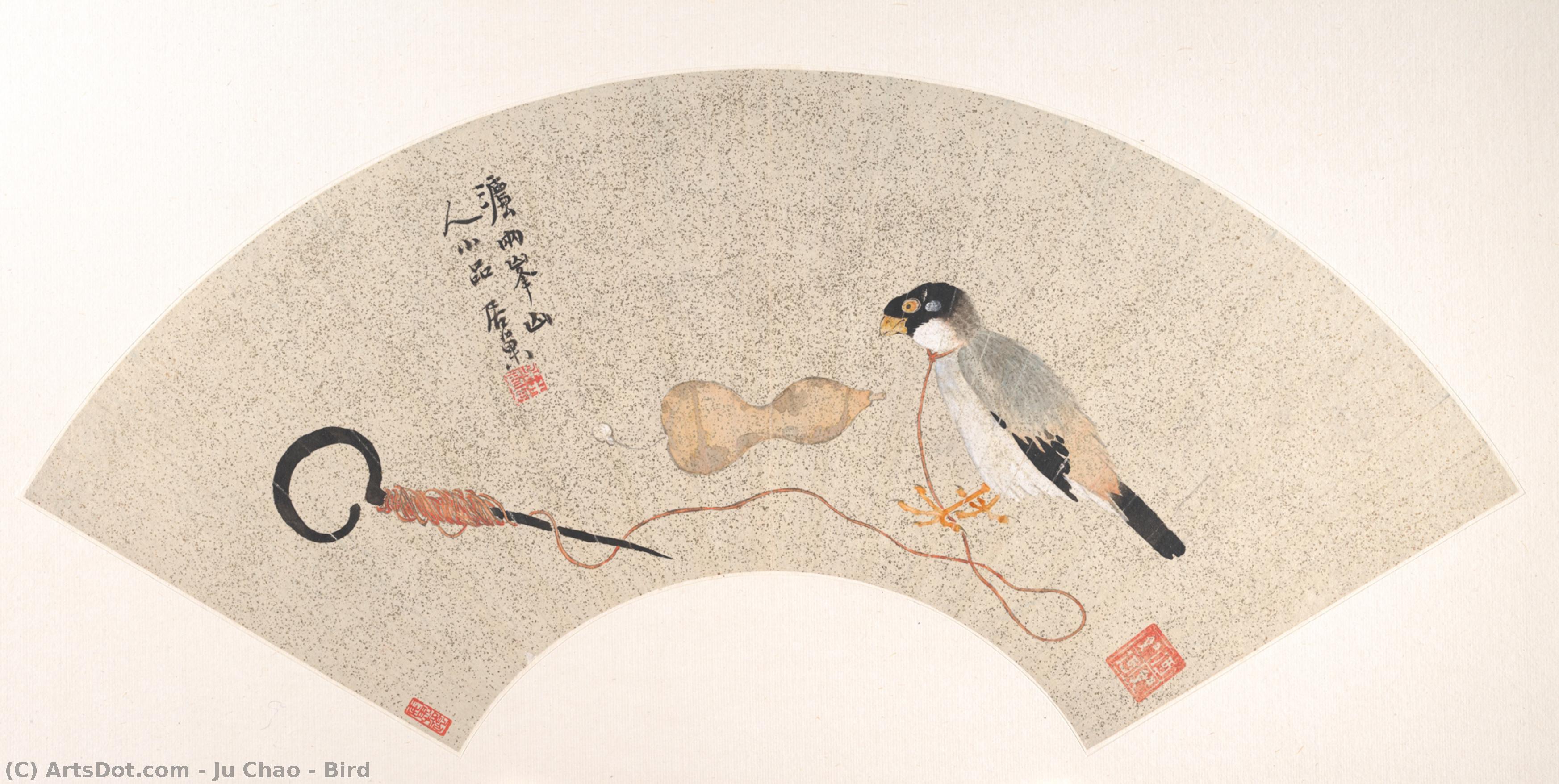
 18.0 x 53.0 cm




 プリントを購入
 シェアする
シェアする シェアする
シェアする
 詳細を見る
詳細を見る

 ダウンロード
 似ている作品
 X線調査
X線調査 スライドショー
 詳細を見る
詳細を見る






































 ガラスオプションは、110cm未満のサイズでのみご利用いただけます。


