
x


作品のオリジナル比率に合わせた、当店の規定サイズからお選びください。

特定のフレームやスペースに合わせて、ご希望のサイズをご入力いただけます。選択されたサイズが元の画像の比率と異なる場合、アートワークをトリミングするか、手描きで要素を追加して絵画を拡張いたします。デジタルモックアップ を制作し、制作開始前にご確認(承認)をいただきます。
画面上のプレビューは、実際のトリミングや拡張を正確に反映しているものではありません。最終的な構図は、モックアップによってのみ正確にご確認いただけます。
カスタムサイズもご利用いただけますが、元の比率を維持するためには、あらかじめ用意されたリストからサイズを選択することをお勧めいたします。

Cockerel
複製画のサイズ

The story of John Vine is one of extraordinary resilience and an unwavering devotion to the beauty of the natural world. Born in 1808, his early life was marked by profound physical challenges; born with malformed arms due to a rare genetic disorder, Vine’s very existence was often viewed through the lens of a curiosity. Yet, where others saw limitation, Vine found a unique way to translate the textures of the English countryside onto canvas. Moving to Colchester in 1828, he transformed from a child performer in fairs and shows into an established professional painter whose work captured the heart of the nineteenth-century agricultural boom.
His artistic journey was deeply intertwined with the pulse of Victorian England—a period defined by both rapid industrial progress and a romanticized reverence for rural traditions. While many of his contemporaries sought prestige through grand historical or mythological narratives, Vine turned his gaze toward the humble and the magnificent in equal measure. He became a specialist in domestic and livestock portraits, traveling the Royal agricultural shows to capture the essence of prize-winning specimens. His ability to accentuate the specific qualities that farmers prized in their stock allowed him to secure a loyal patronage that often surpassed the reach of more formally trained, polished artists.
Vine’s style is often described as having a charming, almost naive quality, yet there is a profound technical mastery in how he renders the physical presence of his subjects. He possessed an uncanny ability to capture the weight of a Devon ox or the soft, intricate texture of a shorthorn cow’s coat. His work frequently features a meticulous attention to detail that borders on the tactile, where every muscle ripple and strand of hair feels palpably real. This dedication to accuracy was not merely about documentation; it was an act of elevation.
In his paintings, one can observe a fascinating tension between realism and characterization. Because he understood the competitive nature of livestock breeding, Vine often utilized subtle, sometimes even comic, distortions of proportion to highlight the most impressive features of an animal. This approach created works that were both scientifically observant and emotionally resonant. Whether working in oil on canvas or board, his palette often leaned toward earthy, warm tones that evoked the golden light of a late afternoon in the English meadows, imbuing even the simplest genre scenes with a sense of spiritual permanence.
Though the decades following his death in 1867 saw his name fade into relative obscurity, the enduring power of his imagery eventually sparked a revival. A retrospective exhibition in Colchester in 1922 served as a pivotal moment, reintroducing his unique perspective to a new generation of art lovers. Today, Vine is celebrated not just as a chronicler of agricultural life, but as an artist who found profound dignity in the commonplace.
The historical significance of John Vine lies in his role as a bridge between the commercial needs of the Victorian era and the expressive potential of animal portraiture. His work remains a poignant window into a lost way of life, preserving the spirit of the British pastoral landscape. Collectors are drawn to his ability to evoke nostalgia and warmth, finding in his canvases a sense of connection to a simpler, more grounded era. His legacy is defined by several key elements:

1808 - 1867
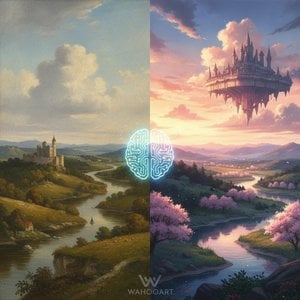
Transform your photos into high-octane action anime masterpieces with WahooArt. Our expert artists blend AI innovation with traditional oil painting to create premium, hand-painted pop culture legacies for your home. Experience museum-quality craftsmanship and a 100% satisfaction guarantee.
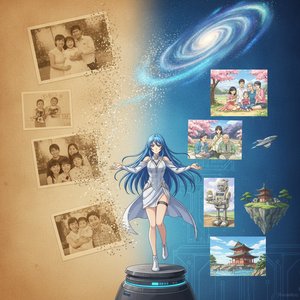
Step into the spotlight with WahooArt's AI-driven transformation. Turn your photos into stunning, hand-painted anime oil masterpieces. Experience the perfect fusion of cutting-edge technology and museum-grade craftsmanship to create a timeless pop-culture legacy for your home.


最新の美術ニュース、限定オファー、そしてインテリアのアイデアをいち早くお届けします。
お客様のプロジェクトについてお聞かせください。当社の美術専門家が、お客様に合わせた3つのパーソナライズされた芸術提案をご提供いたします。
あなたにぴったりの3作品を無料で厳選いたします


 プレビュー
プレビュー
 プリントを購入
 シェアする
シェアする シェアする
シェアする
 詳細を見る
詳細を見る

 ダウンロード
 似ている作品
 X線調査
X線調査 スライドショー


 詳細を見る
詳細を見る






































 ガラスオプションは、110cm未満のサイズでのみご利用いただけます。


