

 Oil On CanvasWallArtNeo-Classicism
 1767Early Modern
 100.0 x 102.0 cm
 プラド美術館
スピーディーな制作と多彩な仕上げオプションが魅力の、ミュージアムクオリティなジークレー・キャンバスプリント。 ( 手描きの複製画を注文する デジタル画像販売へ切り替え)
作品のオリジナル比率に合わせた、当店の規定サイズからお選びください。

特定のフレームやスペースに合わせて、ご自身でサイズを指定することも可能です。選択されたサイズが元の画像の比率と一致しない場合、作品をトリミングするか、鏡面反射または単色での塗りつぶしによって画像を拡張いたします。制作を開始する前に、ご確認用のデジタルモックアップをお送りいたします。
画面上のプレビューには、実際のトリミングや拡張は反映されませんのでご注意ください。最終的な構図を正確に確認できるのは、モックアップのみとなります。
カスタムサイズも承っておりますが、元の比率を維持するためには、あらかじめ用意されたリストからサイズを選択することをお勧めいたします。
Martin Howard
複製画サイズ一覧
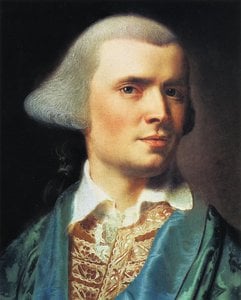
The painting Martin Howard by John Singleton Copley, dated 1767, is a masterpiece that embodies the essence of Neo-Classicism. This captivating portrait, measuring 100 x 102 cm and executed in oil on canvas, is currently housed at the prestigious Thyssen-Bornemisza Museum in Madrid, Spain.
The subject of the painting, Martin Howard, is depicted wearing a striking red coat with a white collar and ruffled hair. He appears to be seated on a chair, exuding an air of sophistication and elegance. The attire suggests that he was a prominent figure during his time, likely holding a position of importance. Howard (1725–1781) was a politician in colonial Rhode Island, known for his controversial support of the Stamp Act of 1765. Later appointed Chief Justice of North Carolina, his life and career were marked by both legal distinction and political upheaval.
The background features a serene blue sky with clouds, adding depth and visual interest to the scene. Notably, there is a book visible in the image, which may indicate that Martin Howard was engaged in reading or studying at the time the portrait was painted. This element adds a layer of symbolism, highlighting his intellectual pursuits. The lighting is dramatic, originating from the left side, casting strong shadows that define the folds of his clothing and create a sense of depth.
John Singleton Copley’s work is characterized by its adherence to the principles of Neo-Classicism. This style emphasizes realism, simplicity, and a return to classical ideals. In Martin Howard, Copley masterfully captures the essence of his subject with precise attention to detail, creating a sense of authenticity. The technique employed is traditional oil painting, utilizing layering and glazing to build up color and form. Copley was known for his ability to depict textures realistically – the sheen of the fabric, the wrinkles on the man’s face - all contributing to the portrait's lifelike quality.
Painted in 1767, this portrait reflects a pivotal moment in American history—the growing tensions between Britain and its colonies. Howard’s support of the Stamp Act made him a controversial figure, and the painting can be seen as both a record of his status and a subtle commentary on the political climate of the time. The overall impression is one of dignified authority tempered by an underlying sense of complexity. The portrait invites viewers to contemplate not only the individual depicted but also the broader historical forces shaping colonial America.
「Martin Howard」は、Neo-Classicismの作品として1767年に制作されました。制作年と様式は、美術史におけるこの作品の位置付けを明確にするものです。
「Martin Howard」の形式はPortraitです。これは、複製画を飾る場所を検討する際に役立ちます。
ジョン・シングルトン・コプリーは、1767年に「Martin Howard」を制作した際、29歳でした。この年齢は、アーティストの誕生年である1738年から算出されています。
ジョン・シングルトン・コプリー作「Martin Howard」 の記録された輝度は Dark です。
「Martin Howard」は、ジョン・シングルトン・コプリーのキャリアにおけるAmerican Periodに属します。この分類は、作品をアーティストの画業の変遷に関連付けるものです。
ジョン・シングルトン・コプリー作「Martin Howard」に描かれた情緒はClassicであり、その感情的なトーンはReflectiveです。
ジョン・シングルトン・コプリー作「Martin Howard」は、Monochromaticな色彩の強さを備えています。
Earthyの色彩を纏ったジョン・シングルトン・コプリー作「Martin Howard」は、Living Roomに飾るのがおすすめです。その色使いこそが、この提案の理由のひとつです。

1738 - 1815 , イギリス連邦

Discover the profound beauty of Academic Classicism. Explore the principles of order, anatomical precision, and the enduring legacy of Neoclassical masters through this expert guide to timeless elegance and technical perfection in fine art.

 設置イメージを確認
 送る
送る シェア
シェア
 詳細情報
詳細情報 ガイドを表示

 画像をダウンロード
 似ている作品
 X線調査
X線調査 スライドショー
 統計情報
統計情報 続きを読む
続きを読む






































 ガラスオプションは、110cm未満のサイズでのみご利用いただけます。


