x
Oil On Canvas
WallArt
Neo-Classicism
1763
Early Modern
65.0 x 76.0 cm
Worcester Art Museum作品のオリジナル比率に合わせた、当店の規定サイズからお選びください。
特定のフレームやスペースに合わせて、ご希望のサイズをご入力いただけます。選択されたサイズが元の画像の比率と異なる場合、アートワークをトリミングするか、手描きで要素を追加して絵画を拡張いたします。デジタルモックアップ を制作し、制作開始前にご確認(承認)をいただきます。
画面上のプレビューは、実際のトリミングや拡張を正確に反映しているものではありません。最終的な構図は、モックアップによってのみ正確にご確認いただけます。
カスタムサイズもご利用いただけますが、元の比率を維持するためには、あらかじめ用意されたリストからサイズを選択することをお勧めいたします。
John Bours
複製画のサイズ
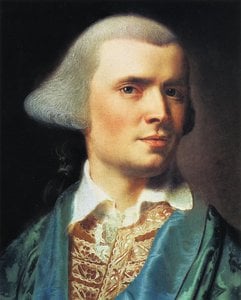
The painting John Bours is a masterpiece created by the renowned Anglo-American artist John Singleton Copley in 1763. This stunning oil on canvas piece measures 65 x 76 cm and is currently displayed at the Worcester Art Museum in Worcester, United States.
Copley's use of Neo-Classicism is evident in the painting's composition, color palette, and attention to detail. The subject, John Bours, is depicted sitting on a chair, lost in thought with his hands placed on his face. The suit he wears adds an element of formality to the scene, showcasing Copley's ability to capture the essence of his subjects.
The painting demonstrates a mastery of light and shadow, creating depth and emphasizing Bours’ contemplative mood. Copley utilizes a limited color palette – primarily browns, creams, and muted reds – which contributes to the overall sense of dignity and restraint characteristic of Neo-Classical art. The background is deliberately understated, drawing focus entirely on the figure. Brushstrokes are visible yet refined, suggesting both skill and an intentional departure from overly smooth surfaces.
John Bours was a prominent merchant in Newport, Rhode Island, involved in extensive trade with Europe and the West Indies. The portrait is not merely a likeness; it’s a window into his character and social standing. His attire – a brown velvet suit—indicates wealth and status within colonial society.
The pose itself is laden with symbolism. Bours' hand resting on his forehead suggests deep thought or introspection, hinting at the burdens and complexities of managing a thriving mercantile business. The open book in his hand alludes to intellectual pursuits and perhaps a desire for knowledge beyond the realm of commerce. Recent research has revealed that Bours owned enslaved people, adding a layer of complexity to the portrait’s interpretation within the context of colonial America.
This painting emerged during a period of significant change in American history – the years leading up to the Revolutionary War. Portraiture was highly valued by wealthy colonists as a means of documenting their status, lineage, and achievements. Copley’s work reflects this trend while also demonstrating an evolving artistic sensibility.
Copley's portraits are considered pivotal in establishing a distinct American style of portraiture, moving away from purely European influences towards a more direct representation of colonial life and identity. His ability to capture the psychological depth of his subjects set him apart from many of his contemporaries.
“John Bours” evokes a sense of quiet dignity, intellectual curiosity, and perhaps even melancholy. The painting’s enduring appeal lies in its ability to connect with viewers across centuries, prompting reflection on themes of ambition, responsibility, and the complexities of human experience.
For those interested in owning a piece of history, WahooArt offers handmade oil painting reproductions of Copley's works, including John Bours. Visit WahooArt to explore and purchase your own reproduction of this captivating painting.
1738 - 1815 , イギリス連邦
お客様のプロジェクトについてお聞かせください。当社の美術専門家が、お客様に合わせた3つのパーソナライズされた芸術提案をご提供いたします。
あなたにぴったりの3作品を無料で厳選いたします