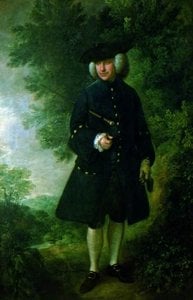
ウェブ上のプレビューを遥かに凌駕する、印刷に最適なファイルをご提供します。当サイトで販売しているすべてのデジタル画像は、弊社のデータベース内にある高解像度のマスターデータ(通常、幅5,000〜15,000ピクセル)から作成されています。そのため、大判印刷やタイトなクロップ、細部まで緻密な再現も、安心してお楽しみいただけます。
当スタジオから送り出される画像は、すべて丁寧に加工されています。デジタルエキスパートが原画と照らし合わせて色調を精査し、必要に応じて補正を行った上で、プロ仕様のリタッチツールを用いて鮮明さと細部を向上させます。その際、アーティストの筆致やスタイルに忠実であることを常に追求しています。その結果、単なるスキャン画像にフィルターをかけたようなものではなく、まるで本物の絵画を見ているかのような仕上がりを実現しています。
仕上がりをご確認いただいてから完了となります。専門スタッフが、ご確認用の画像を72時間以内にメールでお送りいたします。もしご満足いただけない場合は、修正や改善のご要望を承るほか、品質が基準に満たない場合には返金も可能です。
出版社、デザインスタジオ、ギャラリー、そして印刷所から信頼される品質です。
個人での鑑賞、印刷、クリエイティブなプロジェクトにご利用いただける高解像度ファイルをダウンロードできます。 ( プリント版に切り替え 手描きの複製画を注文する)
WahooArt.com を選ぶことは、単に画像を手に入れることではありません。プロの手によって精密に仕上げられ、満足保証が付いた高品質なデジタルアートワークを受け取ることを意味します。ご注文いただいた際に自動的に付随する内容は、以下の通りです:
ご注文から72時間以内に、高解像度のデジタル画像ファイルをメールでお送りいたします。お手元に届き次第、すぐにご利用いただけます。
お客様の作品は、高度なAI技術と専門家による手作業を組み合わせてプロフェッショナルに最適化されており、細部のディテール、鮮明さ、そして正確な色再現性を最大限に引き出しています。
ファイルを誤って削除したり、紛失してしまったりしましたか?ご安心ください。いつでも無料で再送いたします。
関税や手数料、配送料を気にすることなく、お気に入りのアートワークをすぐにお楽しみいただけます。デジタルダウンロードは常に免税です。
プロ仕様のツールとカラーマネジメント技術を用いることで、デジタル画像が元の色を最大限に忠実に再現することを保証いたします。
ご購入いただいたデジタル画像にご満足いただけない場合は、100日以内であれば、理由を問わず修正または100%の返金対応をさせていただきます。
ご満足いただけない場合は、デジタルファイルを受け取ってから100日以内であれば、理由を問わず全額返金いたします。
3枚購入で10%OFF、5枚購入で15%OFF、10枚以上のご購入で20%OFF。クリエイティブなプロジェクトやギャラリー、エージェンシーに最適です。
John Singleton Copley’s “George Boone Roupell,” painted in 1779, isn't merely a likeness; it’s a carefully constructed tableau of colonial identity and restrained elegance. The portrait captures a man – George Boone Roupell himself – standing on what appears to be a rocky precipice, a subtle yet powerful landscape serving as the backdrop for his presence. Copley, a pivotal figure bridging the artistic worlds of England and America, masterfully employed his signature technique: an almost photographic realism combined with a keen understanding of light and shadow, creating a sense of palpable depth and immediacy. The painting’s strength lies not just in its accurate depiction of Roupell's features – the crispness of his jawline, the thoughtful cast of his eyes – but also in the subtle suggestion of character conveyed through posture and expression.
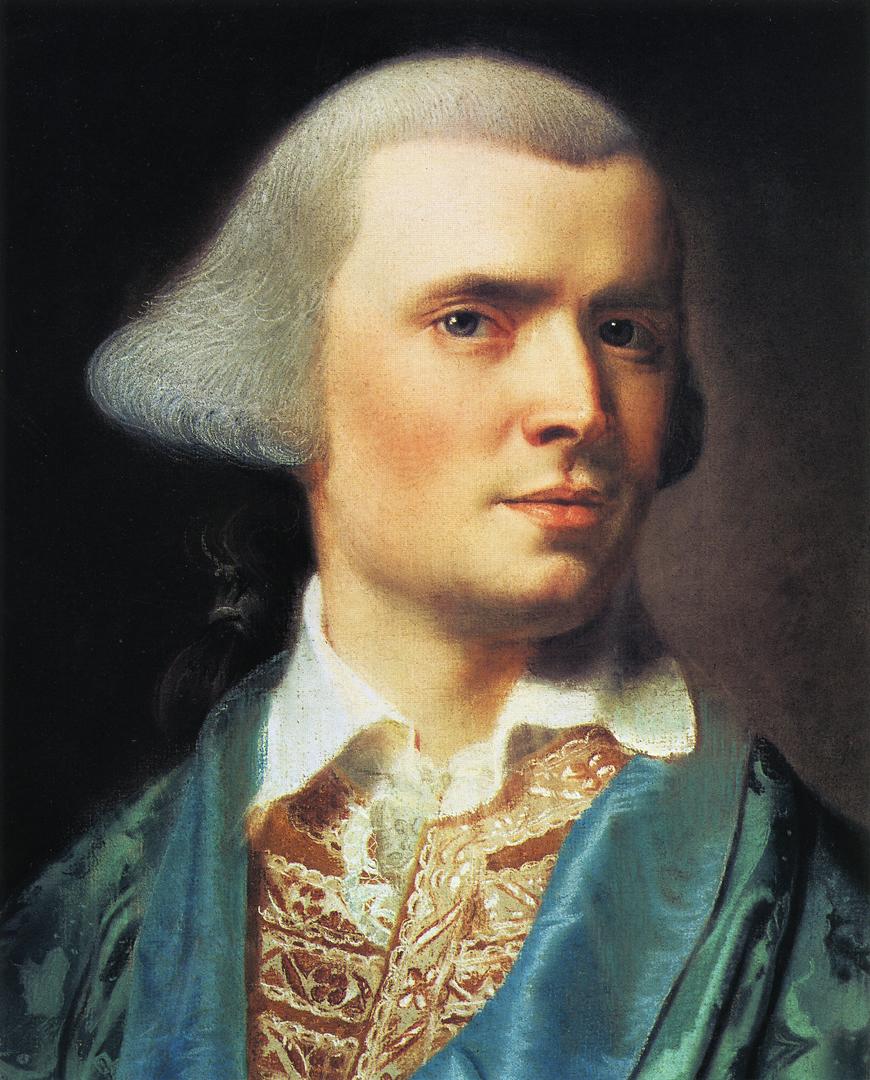
The composition itself is meticulously balanced. Roupell’s dark clothing, a rich burgundy hue, anchors the figure against the lighter tones of the rocky terrain and the distant trees. The stark white stockings and black shoes provide a striking contrast, emphasizing his formality and status within colonial society. Notice how Copley uses light to sculpt Roupell's form – highlighting the texture of his coat, the curve of his hand resting on his walking stick, and the subtle shadows that define his face. This attention to detail speaks volumes about Copley’s dedication to capturing not just appearance but also the very essence of his subject.
To fully appreciate “George Boone Roupell,” it's essential to understand the broader context of portrait painting during the late 18th century in America. Portraits weren’t simply decorative; they were powerful statements of wealth, status, and social standing. Commissioning a portrait was an investment – a visible declaration of success and a way to secure one’s legacy. Copley, operating within this framework, skillfully navigated the expectations of his wealthy patrons while simultaneously forging a distinctly American artistic style. His work reflects both the influence of European traditions, particularly those of Sir Thomas Lawrence in England, and a growing desire to represent subjects authentically – capturing not just their outward appearance but also their inner character.
The painting’s setting—a rocky hillside—adds another layer of meaning. It suggests a connection to the land, a grounding force amidst the complexities of colonial life. The distant trees hint at the vastness and potential of America, while the rugged terrain speaks to resilience and fortitude – qualities valued in the early settlers.
Beyond its technical brilliance, “George Boone Roupell” resonates with a quiet dignity and understated confidence. Roupell’s gaze is direct yet not confrontational; his posture suggests self-assuredness without arrogance. The walking stick, a common symbol of authority and experience, reinforces this impression. Copley doesn't offer us a dramatic or theatrical portrait; instead, he presents a carefully observed study of a man – a man of his time, embodying the values and aspirations of colonial society.
The painting’s emotional impact is subtle yet profound. It evokes a sense of stability, tradition, and quiet strength—qualities that are often associated with the early American experience. It's a portrait that invites contemplation, prompting us to consider not just the appearance of George Boone Roupell but also the story he represents.
Reproductions of “George Boone Roupell” offer an accessible way to appreciate Copley’s artistry and the historical context of this remarkable portrait. Whether displayed as a fine art print, canvas reproduction, or even incorporated into interior design schemes, this painting continues to captivate viewers with its technical mastery, nuanced symbolism, and enduring appeal. It serves as a poignant reminder of a pivotal moment in American history—a time of transformation, ambition, and the forging of a new national identity.
ジョン・シングルトン・コプリー作「George Boone Roupell」は、彩度Subtle Colorで記録されています。
ジョン・シングルトン・コプリー作「George Boone Roupell」の主色(メインカラー)はWalnut (#73523a)です。
「George Boone Roupell」は、Neoclassical Portraitureの作品です。この様式は、その作品が属する芸術的伝統を示しています。

1738 - 1815 , イギリス連邦

 設置イメージを確認
 送る
送る シェア
シェア
 詳細情報
詳細情報 ガイドを表示

 画像をダウンロード
 似ている作品
 X線調査
X線調査 スライドショー
 Q&A
Q&A 統計情報
統計情報


 続きを読む
続きを読む