

 Oil On CanvasWallArtNeo-Classicism
 1772Early Modern
 101.0 x 126.0 cm
 ナショナル・ギャラリー・オブ・アート
当社のアーティストが、お客様のご希望のサイズと額縁に合わせて、キャンバスに手描きで制作する油彩画です。 ( プリント版に切り替え デジタル画像販売へ切り替え)
作品のオリジナル比率に合わせた、当店の規定サイズからお選びください。

フレームや壁のスペースに合わせて、ご希望の幅と高さを入力してください。本作品は手描きのため、異なる比率のサイズをご希望の場合、絵画の周囲を少し広げて描くか、あるいは端を少しカットして調整することが可能です。お客様のご要望に合わせます。制作を開始する前に、仕上がりを確認するためのデジタルモックアップをお送りいたします。このページに表示されている画像は完成品の実物ではなく、あくまでモックアップによるイメージです。
Eleazer Tyng
複製画サイズ一覧
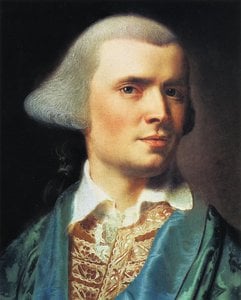
The portrait of Eleazer Tyng, painted by John Singleton Copley in 1772, stands as a significant example of American Neoclassical portraiture. Housed within the National Gallery of Art, this artwork offers a glimpse into the life and status of a prominent figure during colonial times. The painting’s meticulous detail and realistic rendering capture not only Tyng's likeness but also convey a sense of wisdom and dignified composure.
John Singleton Copley was a pioneering Anglo-American painter renowned for his exceptional skill in capturing the likenesses of wealthy and influential figures in colonial New England. He was largely self-taught, demonstrating an innate talent and dedication to his craft. His work is characterized by attention to detail, realism, and a deep understanding of his subjects. Copley's artistic contributions extended beyond portraiture; he also explored landscapes and innovative depictions of modern life.
The painting exemplifies the principles of Neoclassicism, an art movement that emphasized order, simplicity, and classical ideals. Copley’s technique involved meticulous observation and skillful execution using oil paints on canvas. The portrait measures 101 x 126 cm. Noticeable are the dramatic lighting effects creating strong contrasts between light and shadow, which emphasize wrinkles and texture on Tyng's face and clothing. This attention to detail contributes to a sense of realism while maintaining an air of formality characteristic of Neoclassical portraits.
Eleazer Tyng (1724-1809) was a prominent figure in colonial Massachusetts, serving as a judge and holding various important positions within the community. The portrait reflects his status and influence during a period of significant change leading up to the American Revolution. The painting provides valuable insight into the attire and social customs of the elite class in colonial America. It is believed that Tyng's family commissioned the portrait, likely as a means of commemorating his legacy.
Beyond its historical significance, the portrait evokes a sense of quiet dignity and contemplative wisdom. Tyng’s seated posture and direct gaze convey an impression of authority and intelligence. The formal attire further reinforces his status and position within society. While the overall tone is somber, the painting's skillful execution and attention to detail create a lasting emotional impact, inviting viewers to connect with a figure from colonial history.
ジョン・シングルトン・コプリー作「Eleazer Tyng」の複製画をプレビューするには、作品のプレビューページを開いてください。
ジョン・シングルトン・コプリー作「Eleazer Tyng」 の記録された数値は、明度 deep_shadow、輝度 Dark です。
「Eleazer Tyng」は、Early Modern時代に制作されたものです。

1738 - 1815 , イギリス連邦
Discover the profound elegance of Neoclassicism. Explore how the pursuit of order, symmetry, and Greco-Roman ideals created a timeless aesthetic for collectors seeking grandeur and intellectual depth in fine art and architecture.

Discover the profound beauty of Academic Classicism. Explore the principles of order, anatomical precision, and the enduring legacy of Neoclassical masters through this expert guide to timeless elegance and technical perfection in fine art.

 設置イメージを確認
 送る
送る シェア
シェア
 詳細情報
詳細情報 ガイドを表示

 画像をダウンロード
 似ている作品
 X線調査
X線調査 スライドショー
 統計情報
統計情報 続きを読む
続きを読む






































 ガラスオプションは、110cm未満のサイズでのみご利用いただけます。


