
x































作品のオリジナル比率に合わせた、当店の規定サイズからお選びください。

特定のフレームやスペースに合わせて、ご希望のサイズをご入力いただけます。選択されたサイズが元の画像の比率と異なる場合、アートワークをトリミングするか、手描きで要素を追加して絵画を拡張いたします。デジタルモックアップ を制作し、制作開始前にご確認(承認)をいただきます。
画面上のプレビューは、実際のトリミングや拡張を正確に反映しているものではありません。最終的な構図は、モックアップによってのみ正確にご確認いただけます。
カスタムサイズもご利用いただけますが、元の比率を維持するためには、あらかじめ用意されたリストからサイズを選択することをお勧めいたします。

Two Octopi
複製画のサイズ
John Singer Sargent’s “Two Octopi,” painted in 1875, offers a captivating glimpse into the artist’s burgeoning fascination with capturing both the grandeur of subject and the subtle nuances of character. This seemingly simple portrait – two octopi positioned on a wooden table – reveals a sophisticated understanding of composition, light, and texture that would become hallmarks of Sargent's career. The painting’s immediate appeal lies in its directness; it eschews elaborate narrative for an intimate encounter with these remarkable creatures, inviting the viewer into a moment of quiet observation.
Sargent’s technique in “Two Octopi” is characterized by his loose, confident brushstrokes – a departure from the more rigid academic styles prevalent at the time. He employs broken color, layering thin washes of pigment to create an illusion of depth and luminosity. The way he renders the octopus's skin—a complex interplay of blues, greens, and browns—demonstrates a keen eye for capturing the tactile quality of the subject. Notice how the light catches on the tentacles, creating shimmering highlights that suggest movement and vitality. This approach aligns with the burgeoning Impressionistic influences circulating within the European art world during this period, though Sargent retains his own distinct style, prioritizing observation over strict adherence to artistic dogma.
The choice of octopi is particularly intriguing. Considering Sargent's upbringing amidst a constant flow of European travel—Florence, Italy; France, Germany, Switzerland—the sea and its inhabitants held a profound significance for him. Octopi, with their intelligence, adaptability, and association with the depths of the ocean, could be interpreted as symbols of exploration, transformation, and perhaps even hidden knowledge. The two octopi facing each other suggest a dialogue, an exchange of ideas or simply a shared moment of contemplation – themes frequently explored in Sargent’s portraits of wealthy patrons.
"Two Octopi" was created during the height of the Gilded Age, a period of immense wealth and social change in America. Sargent's work reflects this era’s fascination with luxury, leisure, and portraiture as a means of establishing status and identity. While not commissioned for a specific individual, the painting speaks to the broader trends of the time – an interest in exotic subjects and a desire to capture beauty and sophistication. The wooden table setting adds another layer of meaning, grounding the fantastical creatures within a domestic space, subtly commenting on the relationship between nature and civilization.
This captivating artwork by John Singer Sargent is more than just a beautiful image; it’s an investment in art history. Its evocative composition and masterful technique make it a compelling addition to any collection or interior space. A hand-painted reproduction offers the opportunity to experience the full impact of Sargent's vision, bringing a touch of marine majesty and intellectual curiosity into your home.


1856 - 1925 , イタリア

Discover the breathtaking elegance of John Singer Sargent's masterpieces. From iconic Gilded Age portraits to impressionistic landscapes, explore the technical brilliance and timeless allure of this American master through our premium, hand-painted fine art reproductions.
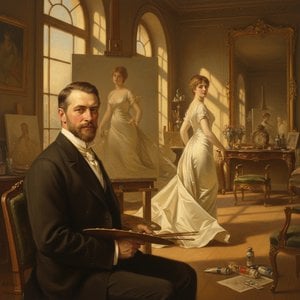
Discover the luminous mastery of John Singer Sargent. Explore an expert analysis of his legendary light, Gilded Age elegance, and technical brilliance, perfect for fine art enthusiasts seeking to bring timeless classical beauty into their modern collections.


最新の美術ニュース、限定オファー、そしてインテリアのアイデアをいち早くお届けします。
お客様のプロジェクトについてお聞かせください。当社の美術専門家が、お客様に合わせた3つのパーソナライズされた芸術提案をご提供いたします。
あなたにぴったりの3作品を無料で厳選いたします


 プレビュー
プレビュー
 プリントを購入
 シェアする
シェアする シェアする
シェアする
 詳細を見る
詳細を見る

 ダウンロード
 似ている作品
 X線調査
X線調査 スライドショー

 詳細を見る
詳細を見る









 ガラスオプションは、110cm未満のサイズでのみご利用いただけます。


