
迅速な制作と多彩な仕上げオプションを備えた、ミュージアムクオリティのジークレーまたはキャンバスプリント。 ( 手描きの絵画を購入 デジタル画像販売へ切り替え)





























作品のオリジナル比率に合わせた、当店の規定サイズからお選びください。

特定のフレームやスペースに合わせて、ご自身でサイズを指定することも可能です。選択されたサイズが元の画像の比率と一致しない場合、作品をトリミングするか、鏡面反射または単色での塗りつぶしによって画像を拡張いたします。制作を開始する前に、ご確認用のデジタルモックアップをお送りいたします。
画面上のプレビューには、実際のトリミングや拡張は反映されませんのでご注意ください。最終的な構図を正確に確認できるのは、モックアップのみとなります。
カスタムサイズも承っておりますが、元の比率を維持するためには、あらかじめ用意されたリストからサイズを選択することをお勧めいたします。

the Acheson Sisters
複製画のサイズ
John Singer Sargent’s “The Acheson Sisters” is more than just a portrait; it's a meticulously crafted tableau of Victorian leisure, radiating an atmosphere of quiet elegance and understated beauty. Painted in 1882, this iconic work captures three young women – the Acheson sisters, Mary and Eleanor – seated beneath the dappled shade of fruit trees, their faces illuminated by a soft, diffused light that speaks to Sargent’s masterful understanding of capturing natural illumination. The scene unfolds with an almost dreamlike quality, inviting the viewer into a private moment of feminine repose.
"The Acheson Sisters" is firmly rooted within the context of the late 19th-century Gilded Age, a period defined by immense wealth, social stratification, and a burgeoning interest in portraiture as a means of solidifying status. Sargent was at the forefront of this trend, commissioned to paint portraits for wealthy American families who sought to project an image of refinement and success. This particular painting exemplifies the era’s fascination with capturing not just likenesses but also the *feeling* of wealth – the luxurious surroundings, the exquisite details of clothing and jewelry (though subtly implied here), and the overall sense of cultivated leisure.
Sargent's clientele included prominent figures such as Henry Clay Frick and William K. Vanderbilt, demonstrating his ability to cater to the tastes of the elite while maintaining a distinctive artistic voice. The painting’s commission itself speaks volumes about the Acheson family’s position within this social landscape.
The composition is carefully constructed to evoke a sense of harmony and tranquility. The arrangement of the sisters, each with an apple in hand, adds a layer of symbolic richness. Apples have long been associated with temptation, knowledge, and immortality – themes frequently explored in art history. Here, they subtly suggest youth, beauty, and perhaps even a hint of forbidden pleasure. The fruit trees themselves provide a natural frame for the figures, blurring the boundaries between interior and exterior space and contributing to the painting’s dreamlike quality.
The vase positioned centrally acts as a focal point, drawing the eye and adding an element of decorative elegance. Sargent's use of light is particularly noteworthy; it sculpts the forms of the women, creating a sense of volume and depth while simultaneously softening their features and contributing to the overall atmosphere of serenity.
"The Acheson Sisters" continues to captivate viewers with its timeless beauty and subtle emotional resonance. Sargent’s ability to capture not just physical likeness but also the essence of his subjects – their youth, grace, and quiet dignity – is a testament to his artistic genius. This painting remains one of Sargent's most celebrated works, admired for its technical brilliance, its evocative atmosphere, and its enduring appeal as a quintessential portrait of the Gilded Age.


1856 - 1925 , イタリア

あなたのクリエイティビティを、世界中のファンへ届ける新しい形。在庫リスクなしで始められるオンデマンド・アートプリント販売をご紹介します。美術館品質のジークレー印刷技術を用い、デジタルな感性を一生のレガシーとなるファインアートへと昇華。WahooArtが提案する、洗練されたアーティスト・ビジネスの第一歩をここから。

Master the nuances of Giclée printing with our expert guide. Discover how pigment-based inks and museum-grade substrates create fade-resistant, high-fidelity art reproductions designed for discerning collectors seeking unparalleled quality and longevity.

Discover the breathtaking elegance of John Singer Sargent's masterpieces. From iconic Gilded Age portraits to impressionistic landscapes, explore the technical brilliance and timeless allure of this American master through our premium, hand-painted fine art reproductions.
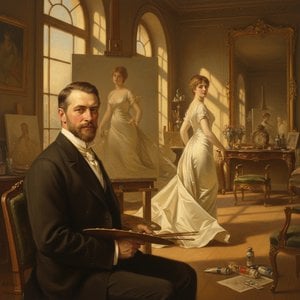
Discover the luminous mastery of John Singer Sargent. Explore an expert analysis of his legendary light, Gilded Age elegance, and technical brilliance, perfect for fine art enthusiasts seeking to bring timeless classical beauty into their modern collections.


 プレビュー
プレビュー
 シェアする
シェアする シェアする
シェアする
 詳細を見る
詳細を見る ガイド
ガイド

 ダウンロード
 似ている作品
 X線調査
X線調査 スライドショー
 統計情報
統計情報

 詳細を見る
詳細を見る









 ガラスオプションは、110cm未満のサイズでのみご利用いただけます。


