
x


 Oil On CanvasWallArtRealism
 189019th Century
 77.0 x 64.0 cm
迅速な制作と多彩な仕上げオプションを備えた、ミュージアムクオリティのジークレーまたはキャンバスプリント。 ( 手描きの絵画を購入 画像を購入)





























作品のオリジナル比率に合わせた、当店の規定サイズからお選びください。

特定のフレームやスペースに合わせて、ご自身でサイズを指定することも可能です。選択されたサイズが元の画像の比率と一致しない場合、作品をトリミングするか、鏡面反射または単色での塗りつぶしによって画像を拡張いたします。制作を開始する前に、ご確認用のデジタルモックアップをお送りいたします。
画面上のプレビューには、実際のトリミングや拡張は反映されませんのでご注意ください。最終的な構図を正確に確認できるのは、モックアップのみとなります。
カスタムサイズも承っておりますが、元の比率を維持するためには、あらかじめ用意されたリストからサイズを選択することをお勧めいたします。

Mrs. Augustus Hemenway
複製画のサイズ
John Singer Sargent’s Mrs. Augustus Hemenway, painted in 1890, is more than just a portrait; it's a window into the Gilded Age and a testament to the quiet strength and societal impact of its subject. This oil on canvas masterpiece, measuring 77 x 64 cm, exemplifies Sargent’s mastery of Realism while subtly hinting at Impressionistic sensibilities through his loose brushwork and nuanced use of light.
John Singer Sargent (1856-1925) was a celebrated American expatriate artist renowned for his captivating portraits that captured the essence of Edwardian society. Born in Florence, Italy, to American parents, Sargent received extensive training in Paris under Carolus-Duran, who emphasized direct observation and a bold application of paint. His career spanned continents, with significant periods spent in Europe and America. Beyond Mrs. Augustus Hemenway, Sargent is celebrated for works like Village Children, showcasing his ability to depict everyday life with sensitivity, and La Carmencita, housed at the Musée d'Orsay, demonstrating his skill in capturing movement and emotion. His style, rooted in Realism but infused with a modern sensibility, made him one of the most sought-after portraitists of his time.
The subject of this striking portrait is Harriet Dexter Lawrence Hemenway (1858-1960), wife of Augustus Hemenway and a pivotal figure in the conservation movement. She is depicted wearing a somber black dress, a common fashion choice reflecting both elegance and mourning practices of the era. However, Sargent’s skill transforms this seemingly simple attire into something rich and textured through his masterful brushstrokes. The focal point rests on her face, where a subtle yet knowing smile plays upon her lips, conveying intelligence and quiet determination. She delicately holds a white lily flower, a potent symbol of purity and innocence, but also subtly alluding to her pregnancy – a detail Sargent cleverly incorporated into the composition. This wasn't merely a formal portrait; it was a depiction of a woman actively engaged in shaping society.
Sargent’s technique is characterized by its confident brushwork and skillful manipulation of light and shadow. The oil on canvas medium allows for a rich, textured finish that enhances the overall visual appeal. While firmly rooted in the principles of Realism – accurately portraying the likeness and details of his subject – Sargent's approach transcends mere representation. He employs loose, expressive strokes, particularly evident in the folds of Mrs. Hemenway’s dress, which hint at Impressionistic influences. The dark background serves to isolate and highlight the figure, drawing the viewer’s eye directly to her face and hands. This careful composition creates a sense of intimacy and allows for a deeper connection with the subject.
Mrs. Augustus Hemenway was created during a period of significant social change in America. The late 19th century witnessed rapid industrialization, urbanization, and growing concerns about environmental degradation. Harriet Hemenway’s work as a founder of the Massachusetts Audubon Society – born from her horror at the feather trade decimating bird populations – reflects this era's burgeoning conservation movement. The lily flower she holds is particularly significant; beyond its traditional symbolism of purity, it subtly references her pregnancy and can be interpreted as representing new life and hope for the future. Sargent’s portrait, therefore, becomes a visual embodiment of a woman dedicated to preserving nature and safeguarding the environment – a powerful statement for its time.


1856 - 1925 , イタリア

Discover the breathtaking elegance of John Singer Sargent's masterpieces. From iconic Gilded Age portraits to impressionistic landscapes, explore the technical brilliance and timeless allure of this American master through our premium, hand-painted fine art reproductions.
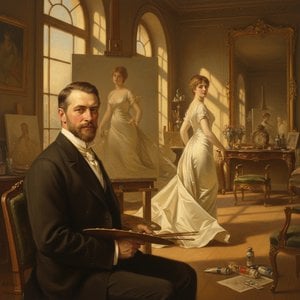
Discover the luminous mastery of John Singer Sargent. Explore an expert analysis of his legendary light, Gilded Age elegance, and technical brilliance, perfect for fine art enthusiasts seeking to bring timeless classical beauty into their modern collections.

Explore the exquisite world of Victorian Realism. Discover how 19th-century masters captured unparalleled detail and emotion through oil painting, and learn to curate these timeless masterpieces for your luxury interior collection.


最新の美術ニュース、限定オファー、そしてインテリアのアイデアをいち早くお届けします。
お客様のプロジェクトについてお聞かせください。当社の美術専門家が、お客様に合わせた3つのパーソナライズされた芸術提案をご提供いたします。
あなたにぴったりの3作品を無料で厳選いたします


 プレビュー
プレビュー
 シェアする
シェアする シェアする
シェアする
 詳細を見る
詳細を見る

 ダウンロード
 似ている作品
 X線調査
X線調査 スライドショー
 詳細を見る
詳細を見る









 ガラスオプションは、110cm未満のサイズでのみご利用いただけます。


