


スピーディーな制作と多彩な仕上げオプションが魅力の、ミュージアムクオリティなジークレー・キャンバスプリント。 ( 手描き複製画を注文する デジタル画像販売へ切り替え)





























作品のオリジナル比率に合わせた、当店の規定サイズからお選びください。

額縁や壁のスペースに合わせて、ご希望の幅と高さを入力してください。プリントはカットすることは可能ですが、元の画像より大きくすることはできないため、異なる比率のサイズを選択された場合は、画像の一部が欠けることになります。印刷を開始する前に、内容を確認していただくためのデジタルモックアップをお送りいたします。このページに表示されている画像は、実際のカット後の状態を示すものではありません。実際の仕上がりはモックアップにてご確認ください。
M. Carey Thomas
複製画サイズ一覧
In the quiet, hallowed halls of Bryn Mawr College, there hangs a masterpiece that does more than merely record a face; it captures a soul defined by purpose and profound intellect. John Singer Sargent’s 1899 portrait of M. Carey Thomas is a breathtaking encounter with the Edwardian era's quiet strength. As one gazes upon this canvas, the immediate impression is not just of a woman of status, but of an individual possessing an unmistakable aura of dignity and refined composure. Sargent, the preeminent portraitist of his generation, moves beyond the superficiality of mere likeness to weave a narrative of authority through every deliberate brushstroke.
The subject herself, Martha Carey Thomas, was a formidable force in American education—a linguist, suffragist, and the second president of Bryn Mawr. Sargent captures this essence by positioning her with a centered, commanding presence. While she sits with a certain formal stillness, there is an underlying vitality in the way the light interacts with her form. The composition, though anchored by her seated figure, possesses a subtle dynamism; the slight off-center placement and the soft, indistinct figures receding into the shadows create a sense of depth that draws the viewer into her private world of thought and leadership.
To study this work is to witness Sargent’s unparalleled mastery of Impressionistic realism. He does not rely on the rigid, clinical lines of traditional academic painting; instead, he employs a sophisticated blend of meticulous anatomical observation and loose, fluid brushwork. The way the light falls across M. Carey Thomas’s face and upper body is nothing short of theatrical. A strong, singular light source illuminates her features, casting much of the background into a deep, mysterious shadow that emphasizes her prominence.
The color palette is a masterclass in understated luxury. Dominated by dark, muted tones, the painting utilizes a rich spectrum of blacks and greys that suggest a profound depth of pigment. Upon closer inspection, one discovers subtle, whispered notes of blue and purple dancing within the folds of her dark attire, adding a layer of complexity to the texture. This technique allows the fabric to appear heavy and opulent, yet light enough to suggest movement. For the collector or interior designer, this interplay of shadow and soft illumination offers a sophisticated focal point that brings a sense of timelessness and "old world" elegance to any curated space.
Beyond the technical bravado lies the historical heartbeat of the piece. Created at the turn of the century, the portrait reflects the anxieties and aspirations of the Edwardian period—a time of rapid societal shifts and a burgeoning interest in identity. Through his use of atmospheric perspective, Sargent creates a sense of a world that is both present and receding, mirroring the way history itself feels: tangible yet shrouded in the mists of time. The painting serves as a window into an era of gilded elegance and intellectual awakening.
For those seeking to bring the prestige of the Gilded Age into a modern interior, a high-quality reproduction of this work offers more than decoration; it offers an invitation to reflection. The emotional impact of "M. Carey Thomas" lies in its ability to command respect and inspire awe. It is a piece that speaks of permanence in a transient world, making it an ideal acquisition for those who value art that possesses both historical weight and an enduring, aesthetic beauty.
ジョン・シンガー・サージェント作「M. Carey Thomas」は、その情緒においてElegantと表現されます。この分類は、作品を空間やシーンに合わせる際の手助けとなります。
視覚的な明るさの観点から見ると、ジョン・シンガー・サージェント作「M. Carey Thomas」 は deep_shadow です。
ジョン・シンガー・サージェント作「M. Carey Thomas」はPortraitの構図です。プリントサイズを選択する前に、アスペクト比(縦横比)をご確認いただくことをお勧めします。


1856 - 1925 , イタリア

Discover the breathtaking elegance of John Singer Sargent's masterpieces. From iconic Gilded Age portraits to impressionistic landscapes, explore the technical brilliance and timeless allure of this American master through our premium, hand-painted fine art reproductions.
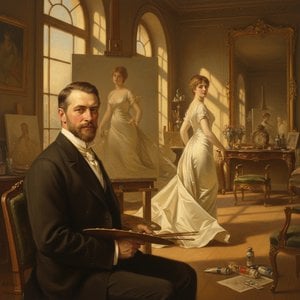
Discover the luminous mastery of John Singer Sargent. Explore an expert analysis of his legendary light, Gilded Age elegance, and technical brilliance, perfect for fine art enthusiasts seeking to bring timeless classical beauty into their modern collections.
 設置イメージを表示
 シェアする
シェアする シェアする
シェアする
 詳細を見る
詳細を見る ガイドを表示

 ダウンロード
 似ている作品
 X線調査
X線調査 スライドショーを表示
 Q&A
Q&A
 統計情報
統計情報

 詳細を表示
詳細を表示









 ガラスオプションは、110cm未満のサイズでのみご利用いただけます。


