迅速な制作と多彩な仕上げオプションを備えた、ミュージアムクオリティのジークレーまたはキャンバスプリント。 ( 手描きの絵画を購入 デジタル画像販売へ切り替え)





























作品のオリジナル比率に合わせた、当店の規定サイズからお選びください。

特定のフレームやスペースに合わせて、ご自身でサイズを指定することも可能です。選択されたサイズが元の画像の比率と一致しない場合、作品をトリミングするか、鏡面反射または単色での塗りつぶしによって画像を拡張いたします。制作を開始する前に、ご確認用のデジタルモックアップをお送りいたします。
画面上のプレビューには、実際のトリミングや拡張は反映されませんのでご注意ください。最終的な構図を正確に確認できるのは、モックアップのみとなります。
カスタムサイズも承っておりますが、元の比率を維持するためには、あらかじめ用意されたリストからサイズを選択することをお勧めいたします。

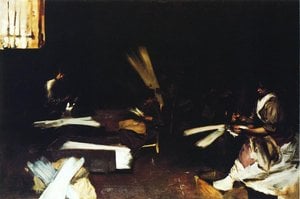
Granada: The Weavers
複製画のサイズ
In the quiet corners of art history, few works capture the intersection of human industry and atmospheric beauty as poignantly as John Singer Sargent’s 1912 masterpiece, Granada: The Weavers. This evocative piece is far more than a mere documentation of a textile workshop; it is an exquisite distillation of the Impressionist ethos, where the boundaries between the physical world and the emotional experience begin to blur. As one gazes upon this monochrome marvel, they are not simply observing weavers at work, but are instead invited into a space where light itself becomes a character, dancing across the textures of thread and stone to celebrate the dignity of everyday life.
The scene unfolds within the modest confines of a workshop, a space defined by its rhythmic, industrious energy. Sargent masterfully directs our attention to two central figures engaged in the meticulous art of weaving. One man stands with a posture of profound concentration, his presence anchoring the composition, while another is positioned toward the periphery, bathed in the soft, ethereal glow emanating from a nearby window. This interplay of light and shadow—the chiaroscuro effect—creates a sense of depth that pulls the viewer into the very heart of the studio. In the background, the subtle presence of a dining table topped with a simple bowl adds a layer of domestic tranquility, suggesting that even within the bustle of labor, there exists a quiet, grounded peace.
Sargent’s technical prowess is on full display through his use of oil on panel, a medium that allowed him to achieve unparalleled tonal gradations. Influenced by the legendary techniques of Monet and Renoir, Sargent eschewed the rigid constraints of meticulous realism in favor of capturing the immediatcy of the moment. He applied thin, translucent washes of color to build up layers that mimic the way light filters through dust-mote filled air. This method creates an illusionistic depth, making the workshop feel less like a static image and more like a living, breathing environment.
For the discerning collector or interior designer, this painting offers a unique versatility. Its monochromatic palette and subtle tonal shifts allow it to integrate seamlessly into a variety of sophisticated decor styles—from the understated elegance of a modern minimalist gallery to the rich, textured warmth of a classical study. The artwork does not demand attention through loud colors, but rather commands respect through its profound emotional resonance and its ability to evoke a sense of timelessness.
Painted during Sargent’s prolific Parisian period, Granada: The Weavers reflects the broader artistic currents of the early 20th century, specifically the burgeoning interest in exploring psychological states through everyday landscapes. There is a deep sense of humanism embedded in every brushstroke; Sargent captures the dignity of the working class not as a subject of pity, but as a subject of grace and focused purpose. The painting serves as a bridge between the industrial reality of the era and the romanticized beauty of the Impressionist movement.
To possess a reproduction of this work is to bring a piece of the Gilded Age’s soul into one's personal space. It is an invitation to slow down, to observe the beauty in the mundane, and to appreciate the delicate balance between effort and serenity. Whether used as a focal point in a grand hall or a contemplative accent in a private library, Granada: The Weavers remains a testament to Sargent’s ability to transform a fleeting moment of labor into an eternal monument of light.


1856 - 1925 , イタリア

Master the nuances of Impressionism vs. Post-Impressionism with our expert guide. Explore the revolutionary shift from Monet’s fleeting light to Van Gogh’s emotional depth. Discover how these iconic movements continue to inspire fine art collectors and modern interiors today.

Discover the breathtaking elegance of John Singer Sargent's masterpieces. From iconic Gilded Age portraits to impressionistic landscapes, explore the technical brilliance and timeless allure of this American master through our premium, hand-painted fine art reproductions.

Embark on a sophisticated journey through the tactile realm of textile art. Unveil the historical evolution from utilitarian craft to museum-grade masterpieces, exploring the intricate textures and legendary artists that redefine the boundaries of fine art.
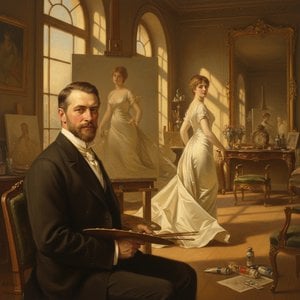
Discover the luminous mastery of John Singer Sargent. Explore an expert analysis of his legendary light, Gilded Age elegance, and technical brilliance, perfect for fine art enthusiasts seeking to bring timeless classical beauty into their modern collections.


 プレビュー
プレビュー
 シェアする
シェアする シェアする
シェアする
 詳細を見る
詳細を見る

 ダウンロード
 似ている作品
 X線調査
X線調査 スライドショー
 統計情報
統計情報

 詳細を見る
詳細を見る









 ガラスオプションは、110cm未満のサイズでのみご利用いただけます。