
当社のアーティストが、お客様のご希望のサイズと額縁に合わせて、キャンバスに手描きで制作する油彩画です。 ( プリント版に切り替え デジタル画像販売へ切り替え)
作品のオリジナル比率に合わせた、当店の規定サイズからお選びください。

特定のフレームやスペースに合わせて、ご希望のサイズをご入力いただけます。選択されたサイズが元の画像の比率と異なる場合、アートワークをトリミングするか、手描きで要素を追加して絵画を拡張いたします。デジタルモックアップ を制作し、制作開始前にご確認(承認)をいただきます。
画面上のプレビューは、実際のトリミングや拡張を正確に反映しているものではありません。最終的な構図は、モックアップによってのみ正確にご確認いただけます。
カスタムサイズもご利用いただけますが、元の比率を維持するためには、あらかじめ用意されたリストからサイズを選択することをお勧めいたします。

Carnation, Lily, Lily, Rose (study)
複製画のサイズ
John Singer Sargent’s “Carnation, Lily, Lily, Rose” (study) is more than just a painting; it's a captured moment of pure enchantment. Completed in 1885, this intimate scene – inspired by Joseph Mazzini’s evocative song – transports us to a world of shimmering light, delicate blooms, and the unadulterated joy of childhood. The study, a preparatory piece for the larger work, offers an even more concentrated glimpse into Sargent's masterful ability to evoke atmosphere and emotion through subtle brushstrokes and luminous color.
At its heart, the painting depicts two young girls, Polly and Dorothy, daughters of artist Frederick Barnard, gently lighting paper lanterns in a secret garden. The setting itself is a carefully constructed fantasy – a haven of pink roses, lush foliage, and the warm glow emanating from the lanterns. Sargent’s genius lies not just in depicting these elements realistically, but in imbuing them with an almost dreamlike quality. The composition, deliberately off-center, creates a sense of movement and invites the viewer to step into this private world alongside the children.
Sargent’s execution is quintessential Impressionism, yet imbued with his own distinctive style. Notice the rapid, broken brushstrokes – not intended to create a photographic representation, but rather to capture the fleeting effects of light and color as they danced across the scene. The artist skillfully uses short, vibrant dabs of paint to build up form, particularly in the delicate petals of the roses and the intricate patterns on the lanterns. This technique creates a shimmering effect, enhancing the sense of luminosity that defines the painting.
The attention to detail is remarkable. Sargent’s meticulous rendering of the girls' clothing – the soft folds of the fabric, the subtle variations in tone – adds to the overall realism and tactile quality of the work. Furthermore, his use of color is remarkably restrained, relying on muted tones punctuated by flashes of pink and white, creating a harmonious and serene palette.
Beyond its technical brilliance, “Carnation, Lily, Lily, Rose” resonates with powerful symbolic meaning. The title itself – borrowed from Mazzini’s song – adds a layer of romanticism and nostalgia to the scene. The lanterns, symbols of hope and illumination, guide the viewer's eye through the composition, drawing attention to the central figures. The painting evokes feelings of innocence, wonder, and the preciousness of childhood memories. It is a testament to Sargent’s ability to capture not just a visual image, but also the emotional essence of a fleeting moment.
As one of Sargent's most beloved works, "Carnation, Lily, Lily, Rose" exemplifies his skill in capturing beauty and emotion. Its enduring appeal lies in its ability to transport us back to a time of simple joys and unburdened innocence – a timeless reminder of the magic found within the natural world.


1856 - 1925 , イタリア

Embark on a visual journey through Claude Monet's most iconic water lily masterpieces. Discover the profound beauty of Impressionism, explore the evolution of Giverny's light, and learn how to bring these serene, museum-quality landscapes into your private collection.

Discover the breathtaking elegance of John Singer Sargent's masterpieces. From iconic Gilded Age portraits to impressionistic landscapes, explore the technical brilliance and timeless allure of this American master through our premium, hand-painted fine art reproductions.
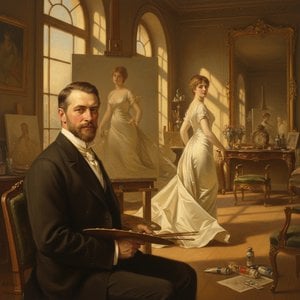
Discover the luminous mastery of John Singer Sargent. Explore an expert analysis of his legendary light, Gilded Age elegance, and technical brilliance, perfect for fine art enthusiasts seeking to bring timeless classical beauty into their modern collections.

Master the nuances of Impressionism vs. Post-Impressionism with our expert guide. Explore the revolutionary shift from Monet’s fleeting light to Van Gogh’s emotional depth. Discover how these iconic movements continue to inspire fine art collectors and modern interiors today.


 プレビュー
プレビュー
 シェアする
シェアする シェアする
シェアする
 詳細を見る
詳細を見る ガイド
ガイド

 ダウンロード
 似ている作品
 X線調査
X線調査 スライドショー
 統計情報
統計情報

 詳細を見る
詳細を見る






































 ガラスオプションは、110cm未満のサイズでのみご利用いただけます。


