
当社のアーティストが、お客様のご希望のサイズと額縁に合わせて、キャンバスに手描きで制作する油彩画です。 ( プリント版に切り替え デジタル画像販売へ切り替え)





























作品のオリジナル比率に合わせた、当店の規定サイズからお選びください。

特定のフレームやスペースに合わせて、ご希望のサイズをご入力いただけます。選択されたサイズが元の画像の比率と異なる場合、アートワークをトリミングするか、手描きで要素を追加して絵画を拡張いたします。デジタルモックアップ を制作し、制作開始前にご確認(承認)をいただきます。
画面上のプレビューは、実際のトリミングや拡張を正確に反映しているものではありません。最終的な構図は、モックアップによってのみ正確にご確認いただけます。
カスタムサイズもご利用いただけますが、元の比率を維持するためには、あらかじめ用意されたリストからサイズを選択することをお勧めいたします。

Icebound
複製画のサイズ
John Henry Twachtman's "Icebound," painted in 1890, isn’t merely a depiction of a winter landscape; it’s an invitation to step into a hushed and contemplative world. This oil on canvas, currently residing within the esteemed collection of the Art Institute of Chicago, captures a fleeting moment of tranquility – a snow-laden river reflecting a muted sky, framed by the stoic presence of ancient trees. The painting immediately evokes a sense of solitude and quietude, a feeling intensified by Twachtman’s masterful use of light and color to render the ephemeral qualities of winter's atmosphere. It’s a scene that speaks not just to the eye but also to the soul, offering a respite from the bustle of everyday life.
Twachtman was a key figure in establishing American Impressionism, and “Icebound” is a testament to his unique approach. He moved beyond traditional academic realism, prioritizing the *impression* of a scene over precise detail. The painting’s power lies in its broken brushstrokes – short, deliberate marks that capture the shimmering effect of light on the snow and ice. Notice how he builds up layers of color, allowing them to blend optically before the viewer's eye, creating an illusion of depth and luminosity. The cool blues and whites dominate, punctuated by warmer browns and oranges from the trees, a subtle reminder of life beneath the frozen surface. This deliberate manipulation of color is central to Twachtman’s style; he wasn’t interested in replicating reality but rather conveying its emotional essence.
“Icebound” was painted during a period of significant artistic ferment, mirroring the broader shifts occurring within American art. Twachtman's work aligns with the Impressionist movement’s rejection of academic conventions and its focus on capturing fleeting moments and subjective experiences. Interestingly, it shares stylistic similarities with Claude Monet’s “Grainstacks, Snow Effect” from the same year – both artists were deeply influenced by European Impressionism, particularly the techniques pioneered by painters like Renoir and Pissarro. However, Twachtman developed a distinctly personal style, characterized by his atmospheric perspective and his ability to imbue landscapes with an almost melancholic beauty. The inclusion of two figures in the scene adds a subtle layer of human presence within this vast, natural setting, prompting reflection on our relationship with the environment.
While “Icebound” avoids overt symbolism, it’s rich in emotional resonance. The frozen river, the bare trees, and the muted light all contribute to a sense of stillness and introspection. The painting speaks to themes of isolation, resilience, and the beauty found in simplicity. It's not simply a winter scene; it’s an exploration of mood and atmosphere—a visual meditation on the power of nature to evoke profound feelings. The composition itself, with its asymmetrical balance and flowing lines, draws the viewer into the heart of the landscape, inviting them to lose themselves in its quiet grandeur.
WahooArt offers meticulously crafted, hand-painted reproductions of John Henry Twachtman’s "Icebound," allowing you to bring this timeless masterpiece into your own home or office. These reproductions capture the essence of the original painting – its delicate brushwork, luminous colors, and evocative atmosphere – with unparalleled accuracy and detail. Whether adorning a gallery wall or serving as a focal point in a living room, a “Icebound” reproduction is sure to captivate and inspire. Explore our collection at here to discover the perfect rendition for your space.

1853 - 1902 , アメリカ合衆国

Discover the profound emotional depth of Post-Impressionist landscapes. Explore how masters like Van Gogh revolutionized art through vibrant color, textured impasto, and symbolic expression in this expert guide to the movement that redefined modern art history.

Explore the ethereal beauty of Impressionist landscapes. Discover how masters like Monet captured fleeting light through color and texture, and learn to curate these timeless, luminous masterpieces for your home collection.
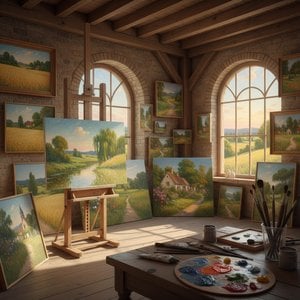
Discover the profound tranquility of rural art through an expert exploration of Impressionist landscapes. From pastoral scenes to textured oil masterpieces, learn how timeless nature-inspired artworks bring enduring elegance and serenity to sophisticated collectors.


 プレビュー
プレビュー
 シェアする
シェアする シェアする
シェアする
 詳細を見る
詳細を見る ガイド
ガイド

 ダウンロード
 似ている作品
 X線調査
X線調査 スライドショー
 統計情報
統計情報


 詳細を見る
詳細を見る









 ガラスオプションは、110cm未満のサイズでのみご利用いただけます。


