
当社のアーティストが、お客様のご希望のサイズと額縁に合わせて、キャンバスに手描きで制作する油彩画です。 ( プリント版に切り替え デジタル画像販売へ切り替え)





























作品のオリジナル比率に合わせた、当店の規定サイズからお選びください。

特定のフレームやスペースに合わせて、ご希望のサイズをご入力いただけます。選択されたサイズが元の画像の比率と異なる場合、アートワークをトリミングするか、手描きで要素を追加して絵画を拡張いたします。デジタルモックアップ を制作し、制作開始前にご確認(承認)をいただきます。
画面上のプレビューは、実際のトリミングや拡張を正確に反映しているものではありません。最終的な構図は、モックアップによってのみ正確にご確認いただけます。
カスタムサイズもご利用いただけますが、元の比率を維持するためには、あらかじめ用意されたリストからサイズを選択することをお勧めいたします。

A Card Trick
複製画のサイズ
John George Brown's "A Card Trick," painted in 1891 and now residing within the esteemed collection of the Joslyn Art Museum in Omaha, Nebraska, isn’t merely a depiction of four young boys engaged in a game of cards; it’s a poignant window into late Victorian America – a moment suspended in time, brimming with youthful energy and quiet observation. Brown, a British-born artist who found his artistic home in the burgeoning American art scene, masterfully captures the essence of childhood camaraderie, imbuing the scene with a warmth and intimacy that transcends its simple subject matter.
The painting’s strength lies not just in its realistic portrayal but in Brown's subtle manipulation of light and color. He employs a muted palette dominated by browns, beiges, and creams, creating an atmosphere of cozy domesticity. The warm tones invite the viewer into the boys’ world, fostering a sense of comfort and familiarity. Notice how he uses dappled sunlight filtering through what appears to be a window – a detail that subtly suggests a narrative beyond the immediate game, hinting at a larger, perhaps more complex, family life.
The composition is remarkably straightforward yet profoundly effective. The boys are arranged in a loose semi-circle on the floor, their postures relaxed and engaged. One boy, positioned slightly forward, holds up a card with an expression of focused attention, while the others lean in, their faces alight with anticipation. This central figure draws the eye immediately, establishing a clear focal point within the scene. The scattered cards – evidence of their playful activity – contribute to the sense of immediacy and spontaneity.
Crucially, Brown avoids sentimentality or overly dramatic gestures. There’s no exaggerated laughter or boisterous excitement; instead, we observe a quiet, comfortable interaction—a shared moment of simple pleasure. This restraint is what elevates the painting beyond a mere snapshot, transforming it into a subtle meditation on childhood innocence and the bonds of friendship.
To fully appreciate “A Card Trick,” it’s essential to consider its historical context. The late 19th century was a period of rapid social change in America, marked by industrialization, urbanization, and shifting family dynamics. Brown's painting offers a glimpse into the lives of working-class children during this era – boys who likely spent their days playing games like cards on the floor, finding solace and entertainment amidst challenging circumstances.
The inclusion of the suitcase near one boy’s feet adds another layer of intrigue. It suggests a journey, perhaps a short trip or a visit to relatives—a small detail that hints at the broader social landscape of the time. The painting subtly reflects the realities of American life during this period, capturing both its hardships and its moments of joy.
Beyond its realistic depiction, “A Card Trick” is rich in symbolism. The game of cards itself can be interpreted as a metaphor for chance, luck, and the unpredictable nature of life. The boys’ shared activity represents collaboration, trust, and the importance of social connection. Their focused attention on the cards speaks to their youthful curiosity and desire for entertainment.
Ultimately, Brown's painting evokes a powerful sense of nostalgia—a longing for simpler times and the unburdened joy of childhood. It’s a reminder that even in the midst of societal change, moments of genuine connection and shared experience can provide solace and meaning. “A Card Trick” is not just a painting; it’s an invitation to pause, reflect, and appreciate the beauty of ordinary moments.


1831 - 1913 , イギリス

ジョン・コンスタブルの傑作25選。英国風景画の巨匠が描く自然と光の詩の世界へ。ロマン主義を代表する絵画、デダム・ヴェールやヘイ・ウェインなど、WahooArtで高品質なアートプリントをお楽しみください。インテリアに深みと感動を。コレクションはこちら。
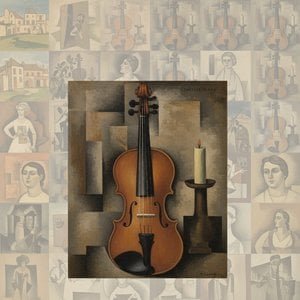
ジョルジュ・ブラックの傑作25選。キュビスムを代表する画家、その革新的な色彩と技法に迫ります。名画から知られざる逸品まで、美術史に残る作品群をWahooArt.comで鑑賞。お部屋を彩るアートプリントも多数ご用意。今すぐオンラインでコレクションをご覧ください。
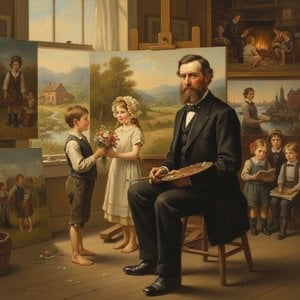
Explore the captivating genre paintings of John George Brown, celebrated for his realistic depictions of 19th-century American life. Discover his legacy & find museum-quality reproductions at WahooArt.
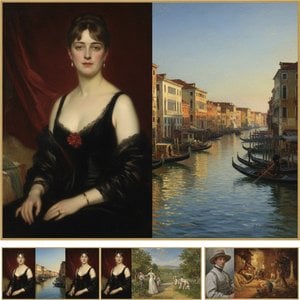
ジョン・シンガー・サージェントの至高の25選。肖像画、写実主義、光と影の表現が美しい作品群を紐解きます。マダムXや少女の肖像など、時代を超えて愛される名作をWahooArtで鑑賞。高品質なアート複製で、お部屋に美術館のような空間を。今すぐコレクションをご覧ください。
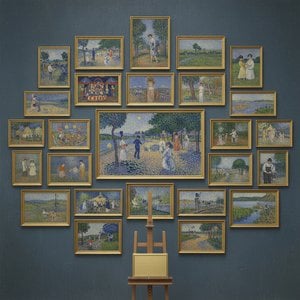
ジョルジュ・スーラの傑作25選。点描画の光と色彩、印象派から新印象派へ—WahooArtで美術史を紐解き、リビングやダイニングを彩る高品質なアートプリントを見つけましょう。セーラ作品集をオンラインで鑑賞ください。


 プレビュー
プレビュー
 シェアする
シェアする シェアする
シェアする
 詳細を見る
詳細を見る

 ダウンロード
 似ている作品
 X線調査
X線調査 スライドショー
 統計情報
統計情報


 詳細を見る
詳細を見る









 ガラスオプションは、110cm未満のサイズでのみご利用いただけます。


