
x































作品のオリジナル比率に合わせた、当店の規定サイズからお選びください。

特定のフレームやスペースに合わせて、ご希望のサイズをご入力いただけます。選択されたサイズが元の画像の比率と異なる場合、アートワークをトリミングするか、手描きで要素を追加して絵画を拡張いたします。デジタルモックアップ を制作し、制作開始前にご確認(承認)をいただきます。
画面上のプレビューは、実際のトリミングや拡張を正確に反映しているものではありません。最終的な構図は、モックアップによってのみ正確にご確認いただけます。
カスタムサイズもご利用いただけますが、元の比率を維持するためには、あらかじめ用意されたリストからサイズを選択することをお勧めいたします。

A Head Keeper, Windsor Castle
複製画のサイズ
John Frederick Lewis's 1826 pencil sketch, "A Head Keeper, Windsor Castle," is more than just a depiction of a man in formal attire; it’s a meticulously rendered study of power, duty, and the quiet dignity of service. Captured with loose, expressive lines characteristic of a sketching style rather than a finished painting, this work offers a rare glimpse into the daily life of one of England's most iconic institutions – Windsor Castle. The composition immediately draws the eye to the subject’s face, framed by a top hat and a richly textured coat, conveying an air of both authority and thoughtful contemplation. The background, deliberately understated, serves primarily to anchor the figure within the vastness of the castle grounds, suggesting a world of protocol and responsibility.
Lewis's technique is immediately engaging. The artist skillfully employs shading – not with heavy, dramatic contrasts but rather through subtle gradations of grey and black – to sculpt volume and define the man’s features. The lines themselves are dynamic, conveying movement and a sense of immediacy as if Lewis were capturing the subject in real-time. Notice how the loose, almost gestural strokes contribute to the sketch's overall feeling of intimacy; it’s not a formal portrait intended for grand display, but rather an observation made with keen interest and a subtle appreciation for the individual before him. The rough texture of the paper itself adds another layer of authenticity, hinting at the immediacy of the drawing process.
Understanding the subject’s role is crucial to appreciating the artwork fully. “Head Keeper” refers to an individual responsible for overseeing a specific section or area within Windsor Castle – in this case, likely managing staff and maintaining order during visits. This position demanded not only administrative skills but also a strong sense of decorum and a deep understanding of the castle’s traditions. Lewis's sketch captures this essence perfectly; the man embodies both competence and restraint, projecting an image of steadfastness and reliability. The attire – the top hat, coat, and waistcoat – speaks to the formality expected within the royal household, while his posture suggests a quiet confidence.
Windsor Castle itself is a living testament to centuries of British history, evolving from a medieval fortress into a sprawling palace complex. The castle’s function has shifted over time, serving as a residence for monarchs, a military headquarters, and now primarily a tourist attraction. Lewis's sketch reflects this layered history; it’s not simply a portrait of an individual but also a subtle commentary on the enduring power and legacy of the institution he represents. The castle's architecture, with its imposing walls and grand halls, provides a silent backdrop to the keeper's quiet vigilance.
Beyond its literal depiction, “A Head Keeper” is rich in symbolic meaning. The man’s stern expression – a hint of seriousness or perhaps even melancholy – invites speculation about his thoughts and experiences. Is he weary from the demands of his role? Does he harbor secret anxieties about the castle's future? Lewis masterfully uses facial expression to convey an emotional depth that transcends the purely visual.
The sketch’s overall mood is one of quiet contemplation, a moment captured in time before the bustle of royal life resumes. It evokes a sense of stability and tradition, reminding us of the continuity between past and present within the walls of Windsor Castle. There's an understated dignity to the scene – a recognition of the importance of those who maintain order and uphold the institution’s values. The sketch is not celebratory or grandiose; it’s a quietly powerful portrait of duty and responsibility, offering a poignant glimpse into the life of a largely unseen figure within one of England’s most iconic landmarks.
John Frederick Lewis was a pivotal figure in 19th-century British art, particularly renowned for his Orientalist paintings. His travels to Spain and Morocco profoundly influenced his style, leading him to develop a distinctive approach characterized by meticulous detail, vibrant colors, and an acute awareness of local customs and traditions. “A Head Keeper” exemplifies this talent, showcasing Lewis’s ability to capture not just the outward appearance of his subjects but also their inner character and the atmosphere of the places they inhabit. This sketch stands as a testament to his skill and offers a valuable insight into the world of royal service within the heart of Windsor Castle.

ジョン・フレデリック・ルイスは、1804年7月14日にロンドンで生まれました。彼の父、フレデリック・クリスチャン・ルイスは、版画家であり風景画家でした。この芸術的な家庭環境は、彼のかつてない才能の開花に大きな影響を与えたことは間違いありません。正式な訓練は、サー・トーマス・ローレンスの下で始まり、エドウィン・ランドシーアのような同僚たちと共に技術と構成力を磨きました。この基礎的な時期は、彼に確固たる技術的理解と構図力を植え付けました。
ルイスの芸術的キャリアは、進化するスタイルとテーマに焦点を当てたいくつかの明確な段階を経て展開されました:
ルイスは、その細部へのこだわりと喚起的な雰囲気で称賛される膨大な数の作品を制作しました。彼の最も有名な作品には以下が含まれます:
ルイスのスタイルは、いくつかの影響を受けて形作られました。最も注目すべきは、サー・トーマス・ローレンスによる肖像画と構成への重点です。しかし、中東文化を直接観察することで、彼は以下によって特徴付けられる独自の美学を発展させることができました:
ルイスの芸術界への貢献は、オリエンタリズム絵画の開発における彼の重要な役割にあります。イスラム建築、家具、衣装の丹念な描写は、ジャンル内でのリアリズムの新たな基準を設定しました。彼は西洋の聴衆の間で中東のロマンチックでありながら詳細なビジョンを広めるのに役立ちました。1851年にイングランドに戻った後、彼は8月15日にウォルトン・オン・テムズで亡くなるまで絵を描き続けました。
彼の作品は、芸術的価値と19世紀のオリエントに対する歴史的な洞察力のために研究され、賞賛され続けています。

1804 - 1876 , イギリス
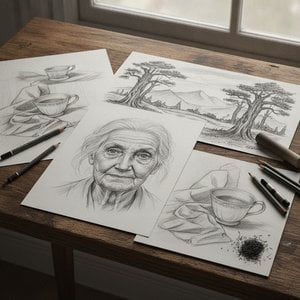
Explore the profound elegance of pencil and charcoal sketching. Discover how masters use line, shadow, and chiaroscuro to capture light and texture, bridging the gap between preparatory studies and timeless fine art masterpieces.

Explore the profound beauty of the sketch. Discover how masters use charcoal and graphite to capture raw emotion, anatomical precision, and fluid movement, bridging the gap between ephemeral marks and eternal oil masterpieces.


最新の美術ニュース、限定オファー、そしてインテリアのアイデアをいち早くお届けします。
お客様のプロジェクトについてお聞かせください。当社の美術専門家が、お客様に合わせた3つのパーソナライズされた芸術提案をご提供いたします。
あなたにぴったりの3作品を無料で厳選いたします


 プレビュー
プレビュー
 プリントを購入
 シェアする
シェアする シェアする
シェアする
 詳細を見る
詳細を見る

 ダウンロード
 似ている作品
 X線調査
X線調査 スライドショー


 詳細を見る
詳細を見る









 ガラスオプションは、110cm未満のサイズでのみご利用いただけます。


