Oil On CanvasWallArtRomantic Landscape Painting
 183719th Century
 61.0 x 78.0 cm
当社のアーティストが、お客様のご希望のサイズと額縁に合わせて、キャンバスに手描きで制作する油彩画です。 ( プリント版に切り替え デジタル画像販売へ切り替え)





























作品のオリジナル比率に合わせた、当店の規定サイズからお選びください。

フレームや壁のスペースに合わせて、ご希望の幅と高さを入力してください。本作品は手描きのため、異なる比率のサイズをご希望の場合、絵画の周囲を少し広げて描くか、あるいは端を少しカットして調整することが可能です。お客様のご要望に合わせます。制作を開始する前に、仕上がりを確認するためのデジタルモックアップをお送りいたします。このページに表示されている画像は完成品の実物ではなく、あくまでモックアップによるイメージです。
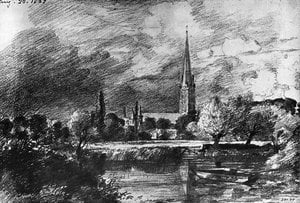
Scene on a River 2
複製画サイズ一覧
John Constable's 'Scene on a River 2,' painted in 1837, is more than just a depiction of a riverbank; it’s a profound meditation on the relationship between humanity and the natural world. Executed during a pivotal moment in British art history – a period grappling with Romantic ideals and the burgeoning Industrial Revolution – this work embodies Constable's unique ability to capture not merely the appearance of landscape, but its very soul. Measuring 61 x 78 cm, the painting invites the viewer into a tranquil scene brimming with subtle details that speak volumes about the artist’s meticulous observation and deeply felt connection to his beloved Suffolk countryside.
Born in 1776 in East Bergholt, Suffolk, Constable’s artistic trajectory was profoundly shaped by his upbringing. His father's ownership of the Dedham Vale – a landscape renowned for its beauty and agricultural significance – provided an inexhaustible source of inspiration. This intimate knowledge of the local terrain is immediately apparent in ‘Scene on a River 2,’ where every ripple, shadow, and variation in color feels authentically rooted in the Suffolk countryside. Constable’s work aligns perfectly with the tenets of Romanticism, which emphasized emotion, imagination, and the sublime power of nature – a reaction against the Enlightenment's focus on reason and scientific inquiry.
Influenced by artists like Claude Lorrain, Constable sought to capture not just a realistic representation but an *emotional* truth about the landscape. His use of light and color is particularly noteworthy, reflecting the constantly shifting conditions of the River Stour – a key element in his artistic vocabulary. The painting’s subdued palette, dominated by greens, blues, and browns, evokes a sense of peace and contemplation, inviting viewers to lose themselves in the beauty of the scene.
Constable's technique is characterized by its directness and spontaneity. He employed loose, expressive brushstrokes – a deliberate departure from the highly polished surfaces favored by some of his contemporaries – to convey the fleeting effects of light and atmosphere. The painting’s surface is built up through multiple layers of thin washes, allowing for subtle gradations in color and texture. This layering technique, combined with Constable's keen eye for detail, creates a remarkably luminous effect, as if the scene were bathed in an ethereal glow.
His approach to depicting water was revolutionary at the time. Rather than attempting to render the surface perfectly smooth, he captured the movement and reflection of light on the river’s surface with remarkable accuracy, creating a sense of dynamism and vitality. This focus on capturing transient effects – the way light changes throughout the day – is a hallmark of Constable's style and a key element in his enduring appeal.
'Scene on a River 2’ transcends a simple landscape painting; it’s a powerful statement about the restorative power of nature. The tranquil scene evokes feelings of serenity, peace, and connection to the natural world – emotions that resonated deeply with audiences during Constable's time and continue to captivate viewers today. The horse, often associated with freedom and nobility, further enhances this sense of harmony and balance. This artwork offers a timeless reminder of the beauty and importance of preserving our natural heritage.
「Scene on a River 2」の形式はLandscapeです。これは、複製画を飾る場所を検討する際に役立ちます。
ジョン・コンスタブル作「Scene on a River 2」のEarthyな色彩は、おすすめの空間であるLiving Roomに調和します。
ジョン・コンスタブルの作品に繰り返し現れるテーマにはclaude lorrain influence, english rural life, constable’s dedham vale, landscape poetry themes, key suffolk artworkが含まれますが、「Scene on a River 2」ではriver scene, john constable, landscape painting, english countryside, horse imagery, cloudy sky, rural harmonyに焦点を当てています。


1776 - 1837 , イギリス

Explore the profound legacy of John Constable. Discover how his mastery of light, atmosphere, and the English landscape redefined Romanticism through timeless, museum-quality oil reproductions for discerning collectors.

 設置イメージを確認
 送る
送る シェア
シェア
 詳細情報
詳細情報 ガイドを表示

 画像をダウンロード
 似ている作品
 X線調査
X線調査 スライドショー
 統計情報
統計情報 続きを読む
続きを読む









 ガラスオプションは、110cm未満のサイズでのみご利用いただけます。