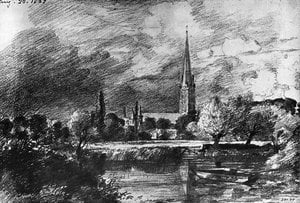
スピーディーな制作と多彩な仕上げオプションが魅力の、ミュージアムクオリティなジークレー・キャンバスプリント。 ( 手描き複製画を注文する デジタル画像販売へ切り替え)





























作品のオリジナル比率に合わせた、当店の規定サイズからお選びください。

額縁や壁のスペースに合わせて、ご希望の幅と高さを入力してください。プリントはカットすることは可能ですが、元の画像より大きくすることはできないため、異なる比率のサイズを選択された場合は、画像の一部が欠けることになります。印刷を開始する前に、内容を確認していただくためのデジタルモックアップをお送りいたします。このページに表示されている画像は、実際のカット後の状態を示すものではありません。実際の仕上がりはモックアップにてご確認ください。
Mary Freer
複製画サイズ一覧
「Mary Freer」はportrait, landscape, emotion, youth, innocence, detail, lightを描いていますが、ジョン・コンスタブルのこれまでの主要なテーマはlandscape inspiration, rural life reflection, romantic sentiment, constable legacy, pastoral idealismです。この二つを比較することで、本作が作家の恒常的な主題とどのように結びついているかが浮き彫りになります。
Portraitの形状を活かした「Mary Freer」の複製画は、Living Roomに飾るのがおすすめです。
「Mary Freer」はジョン・コンスタブルによるRomantic Realismの作品であり、その描かれたテーマにはlandscape inspiration, rural life reflection, romantic sentiment, constable legacy, pastoral idealismが含まれます。

1776年、サフォーク州の東バーゴルトという静かな村に、ジョン・コンスタブルは生を受けました。彼は、ゴールド・コンスタブルとアン(ワッツ)・コンスタブルの間に生まれた次男でした。父は、フラットフォード・ミルを所有する、裕福な穀物・石炭商でした。川の流れと地域の交易が密接に結びついたこの環境は、水のささやきや物資の動きが日常の風景として溶け込む、豊かな生活の調べを彼に与えました。1792年頃、彼は家業を手伝いながら穀物取引の実務を学び始めますが、その運命は、やがてキャンバスへと向かって大きく動き出すことになります。
彼の本格的な芸術への歩みは、1799年にロイヤル・アカデミー・スクールへ見習いとして入学したことから始まりました。若き日の彼は、世界の構造を深く理解するために、解剖学の習得や巨匠たちの作品の模写に明け暮れました。この厳格な教育こそが、後に彼が風景を観察する際の揺るぎない基礎となったのです。商人として生きる静かな日常と、絵画やデッサンという規律ある探求の間を揺れ動きながら、彼はやがて、芸術を天職として生きるべく、ロンドンという新たな世界へと足を踏み入れていきました。
ジョン・コンスタブルにとって、幼少期の風景は生涯を通じて変わることのない心の拠り所でした。イギリスのイースト・バーグホルトに生を受けた彼は、川の流れが日々の営みのリズムを刻む場所で育ちました。穀物商であった彼の父は、ストゥア川沿いの製粉所の賃借権を持ち、デッダム・ヴェールの土地も所有していました。この水と土壌との結びつきは、単なる家業の範疇を超え、彼の魂に刻まれた生涯にわたる愛着となりました。イースト・バーグホルト、デッダム、ストラトフォード・セント・メアリー、そしてラングハムといったサフォークの村々に対し、彼は深い郷愁を抱き続けていました。たとえ遠く離れた場所へ移動したとしても、特定の草地の情景や、ストゥア川の岸辺に差し込む光の揺らぎは、常に彼の記憶の中に鮮明に残り続けていたのです。
やがて人生は彼を都市へと駆り立てます。ロンドンのブルームズベリーに身を寄せ、1817年にはケッペル・ストリートへ、1822年にはシャーロット・ストリートへと移り住みました。それらの都会の喧騒は、川辺の静謐な世界とはあまりにもかけ離れたものでした。彼はまた、スタッフォードシャー、ダービーシャー、湖水地方、ブライトンなど、各地を旅しました。しかし、そうした旅路にあっても、馴染み深いストゥア川流域の輪郭は、常に彼の創作の原点であり続けました。彼は、自分が最もよく知る場所というレンズを通して世界を眺め、故郷の湿った土の匂いや、刻々と表情を変える雲の動きの中に、自らの帰属すべき場所を見出していたのです。
プロの画家としての歩みは、しばしば適切な人物との出会いによって切り拓かれます。ジョン・コンスタブルにとって、その扉を開いたのはコレクターのジョージ・ボーモントでした。ボーモントとの出会いは、彼にそれまでとは異なる「視点」をもたらしました。彼を通じて紹介されたクロード・ロランの作品は、コンスタブルの風景画に対する理解を形作る上で、決定的な影響を与えることとなります。こうした初期の繋がりは、彼が家業の穀物商から芸術の正当な学問へと身を投じていく際の、揺るぎない礎となりました。1805年には、ブランサムの教会のために祭壇画を描くという、具体的な依頼を受けるに至ります。
学術的なコミュニティにおける彼の地位は、数十年にわたり着実に高まっていきました。1819年にはロイヤル・アカデミーの準会員に選出され、同業者たちの間でもその実力が認められ始めたことを示しました。そして52歳を迎えた1829年、彼はついにロイヤル・アカデミー会員という最高位に到達します。この歩みは、周囲の世界を粘り強く、そして静かに観察し続けてきた彼の姿勢の賜物であり、地元の依頼から始まり、最終的には英国美術の制度的な構造における確固たる地位を築き上げるまでの、情熱に満ちた軌跡を物語っています。
ジョン・コンスタブルは、単なる誇張された技巧によって自らの主張を伝えようとはしませんでした。彼が追い求めたのは、自然界の真実の姿をありのままに描き出すことでした。そのためには、極めて緩やかで、かつ緻密な観察のプロセスが不可欠でした。彼はしばしば屋外へと足を運び、プレネール(戸外制作)のスケッチを通じて、光が風景とどのように交錯し、響き合うのかを捉えようと試みました。また、大規模な構図を構築する際には、油彩スケッチやグラファイトによる素描、水彩の習作といった重層的な準備を積み重ねました。こうした予備的な試行錯誤のプロセスがあったからこそ、彼は最終的なキャンバスに向かう前に、風景が持つ複雑な機微を完璧に解き明かすことができたのです。
彼の筆致には、物質的な重みが宿っています。厚塗りのインパスト技法を用いてテクスチャを構築するその手法は、画面に躍動感と生命力を吹き込みました。この触覚的なアプローチこそが、野原や川面を渡る光と大気の移ろいを、鮮明に描き出すことを可能にしたのです。彼はこの光と影の探求を「自然のキアロスクーロ(明暗法)」と呼びました。それは、理想化された美を追い求めるのではなく、空や水面が刻一刻と変化していく、ありのままの自然の表情を記録するための彼なりの真実へのアプローチでした。
ジョン・コンスタブルの視線は、常に流れる川と広大な空へと向けられていました。1821年に生み出された干し草の運搬は、ストゥア川の情景を描いたもので、今や彼の最も象徴的な作品として世界中に知られています。彼は空気の揺らぎや水の動きを鮮明に捉えるために、しばしば大規模なキャンバスを用いました。その探求心は、ザ・リーピング・ホース(1825年)のような、高さ6フィートにも及ぶ壮大な連作へと結実します。そこでは、光の当たり方や構図を緻密に調整するために、実物大の油彩スケッチが準備段階として用いられました。こうした大規模な制作プロセスこそが、最終的な筆致を重ねる前に、風景の細部を極限まで練り上げることを可能にしたのです。
また、彼の情熱は身近な風景にとどまらず、広大な領地やそこに佇む建造物へとも広がっていきました。1816年には、エセックス州の田園地帯が持つ調和を見事に描き出したウィヴンホー・パークを制作しています。さらに、光と建築物が織りなす相互作用にも鋭い関心を寄せ、1823年には司教領から見たソールズベリー大聖堂を描き上げました。特定の場所が持つ独特の空気感を翻訳する彼の卓越した能力は、重厚な雲の質感や、大地が持つ生命力あふれるテクスチャの表現の中に、鮮やかに反映されています。
ジョン・コンスタブルが遺した作品のいくつかは、制作から長い年月を経て、驚くべき価値を持つに至りました。例えば、1824年のザ・ロックは、2012年にクリスティーズにて22,441,250ポンドという高値で落札されています。彼の膨大な創作活動の中には、以下のような多彩な習作や完成作が含まれています。
ストゥア川流域の風景を描き出すジョン・コンスタブルの筆致は、数々の巨匠たちの静かな存在によって形作られてきました。クロード・ロランやヤコブ・ファン・ライスダールの作品は、演劇的な誇張を排した、新たな視座を彼に提示しました。また、彼はトマス・ゲインズバラの構図や、ピーテル・パウル・ルーベンスの豊かな質感にも目を向けていました。こうした影響は、彼をロイヤル・アカデミーの厳格な学術的規範から解き放つ原動力となりました。ジョン・コンスタブルが追い求めたのは、同時代の画家たちが好んだ壮大な神話の世界ではなく、湿り気を帯びた空気の質感や、川面に反射する光の移ろいの中に宿る真実だったのです。
彼の芸術的な歩みは、しばしばJMW・ターナーの軌跡と交差しました。同時代人であった二人の間には、ロイヤル・アカデミーの展覧会を通じてライバル意識が火花を散らすこともありました。一方が劇的で崇高な風景へと向かったのに対し、もう一方は、自身の幼少期を彩った馴染み深い郷土の風景に深く結びついていました。この自然を直接的に観察するという姿勢は、やがて海を越え、フランスのバルビゾン派にも多大な影響を与えることになります。自然界との親密な繋がりを求めた彼らの情熱は、ジョン・コンスタブルが切り拓いた道と共鳴したのです。
また、個人的な人間関係も彼の創作活動を導く重要な要素となりました。彼はソールズベリー司教の甥であるジョン・フィッシャーと親交を深め、彼からこの地の滞在を勧められました。こうした友人関係は、単なる社交の場にとどまりませんでした。それは、彼が長年にわたって研究し、描き続けることになる特別な風景へと彼を導く、かけがえのない窓口となったのです。人々との繋がり、そして土地との結びつきを通じて、彼の作品は、そこに確かに存在する生きた現実の記録へと昇華していきました。
1816年にマリア・ビッケネルと結婚してからの歳月は、彼にとって「場所」に対する感覚が変容していく時期でもありました。作品の主題は、依然として若き日の記憶である川や田園風景に深く結びついていましたが、彼自身の生活は都市へと移ろっていきました。1827年までに、彼はロンドンのハムステッドに定住することとなります。しかし、この時期の彼の人生は、マリアの健康悪化という影に覆われていました。1828年、彼女が結核でこの世を去ったことは、彼の魂に深い傷跡を残しました。それでも彼は筆を置くことはなく、数十年にわたり研究し続けてきた風景の中に、移ろいゆく光の美しさを見出すことで、しばしば心の安らぎを得ていたのです。
ロンドンのブルームズベリーで過ごした晩年、彼は私生活における葛藤や、絵画という媒体が求める肉体的な負荷に直面しながらも、芸術への献身を貫きました。そして1837年3月31日、ブルームズベリーにてその生涯を閉じました。彼の遺体は、晩年の安住の地となったハムステッドのセント・ジョンズ教会墓地に埋葬されました。
ジョン・コンスタブルは、イングランドの田園地帯に潜むありふれた日常へと眼差しを向けることで、風景画の概念そのものを変容させました。彼は、当時のアカデミーが好んだ演劇的で理想化された風景から距離を置き、代わりに「平凡なもの」の中にこそ真実の重みがあることを見出したのです。干し草を積んだ荷車や、質素な農家の建物といった主題が、丹念な観察に値する芸術の対象へと昇華されました。この転換は、絵画の焦点を壮大な神話的物語から、自然界の真実の描写へと大きくシフトさせる原動力となりました。彼は、川の景色や草原の風景が、単なる視覚的な記録にとどまらず、個人の深い感情を投影し、内なる情緒を表現するための手段となり得ることを証明したのです。
雲に差し込む光の在り方や、空気中に漂う湿り気を捉えるために屋外で制作を重ねる彼のスタイルは、後世の画家たちに鮮烈な足跡を残しました。直接的な観察と大気効果の探求に対するこの献身的な姿勢は、後の印象派の画家たちが抱くことになる多くの関心を、いち早く予見するものでした。彼の革新的なアプローチは海を越えてフランスへと伝わり、バルビゾン派の画家たちの共鳴を呼び起こしました。自然をありのままに描き、刻々と変化する自然の質感を見つめるという彼の情熱は、彼らとの間に深い繋がりを生んだのです。ジョン・コンスタブルの作品は、大地の確かな手触りと、空に揺らめく移ろいゆく光を最優先する、独自の視座を今に伝える貴重な架け橋であり続けています。
ジョン・コンスタブルが描いたイングランドの田園風景は、時を経て世界中のコレクションへと集められ、その足跡を辿ることで、彼が捉えようとした自然の深淵に触れることができます。例えば、ニューヘイブンのイェール・ブリティッシュ・アート・センターには、1802年頃のデッドハム近郊の風景習作を含む25点もの作品が収蔵されています。また、ロンドンへ足を運べば、その存在をより身近に感じることができるでしょう。ヴィクトリア・アンド・アルバート博物館には、フラットフォード・ミル付近の造船の情景など6点の作品が、ナショナル・ギャラリーには、1821年の傑作『干し草の運搬』の大型キャンバスを含む5点の作品が、そしてテート・ギャラリーには、1817年のフラットフォード・ミルの細部を描いた作品を含む4点の作品が、それぞれ大切に保管されています。
彼の芸術的影響力は、ブリテン諸島を越えてヨーロッパ大陸へと広がっています。パリのルーヴル美術館には、ヘルミングハム・デルを描いた作品を含む2点が所蔵されています。これらの作品を眺めると、ストゥア川に立ち込める重厚な雲から、村の静かな片隅に至るまで、彼がいかに多様な手法で光と大気の揺らぎを捉えてきたかが分かります。世界各地の美術館で彼の作品を巡ることは、キャンバスの上に厚く塗り重ねられた絵具の層が、いかにして豊かな質感を生み出しているかを間近で観察する、贅沢な体験となるはずです。
干し草の運搬 (1821)
草地から見たソールズベリー大聖堂 (1831)
閘門 (1824)
夕暮れのストーンヘンジ (1836)
ウィヴニー・パーク、エセックス (1816)

1776 - 1837 , イギリス

Immerse yourself in the soulful landscapes of John Constable. Explore our curated list of 25 iconic masterpieces, from atmospheric skies to the beauty of Dedham Vale. Find inspiration for museum-quality art reproductions and decor. Discover all masterpieces on WahooArt.com.

Embark on a profound journey through art history with our exploration of the most iconic depictions of the Virgin Mary. Discover the divine grace, symbolism, and masterful techniques found in Renaissance masterpieces and sacred iconography.

Explore 25 iconic works from Turner to Hogarth at Yale Center for British Art. Discover every masterpiece on WahooArt.com.

Explore the profound legacy of John Constable. Discover how his mastery of light, atmosphere, and the English landscape redefined Romanticism through timeless, museum-quality oil reproductions for discerning collectors.

Elevate your collection with our expert guide to acquiring premium fine art reproductions. Discover the distinction between hand-painted oils and Giclée prints, master the art of bespoke commissions, and learn professional strategies for curating timeless, museum-quality interiors.
 設置イメージを表示
 シェアする
シェアする シェアする
シェアする
 詳細を見る
詳細を見る ガイドを表示

 ダウンロード
 似ている作品
 X線調査
X線調査 スライドショーを表示
 Q&A
Q&A
 統計情報
統計情報


 詳細を表示
詳細を表示









 ガラスオプションは、110cm未満のサイズでのみご利用いただけます。