スピーディーな制作と多彩な仕上げオプションが魅力の、ミュージアムクオリティなジークレー・キャンバスプリント。 ( 手描きの複製画を注文する デジタル画像販売へ切り替え)





























作品のオリジナル比率に合わせた、当店の規定サイズからお選びください。

額縁や壁のスペースに合わせて、ご希望の幅と高さを入力してください。プリントはカットすることは可能ですが、元の画像より大きくすることはできないため、異なる比率のサイズを選択された場合は、画像の一部が欠けることになります。印刷を開始する前に、内容を確認していただくためのデジタルモックアップをお送りいたします。このページに表示されている画像は、実際のカット後の状態を示すものではありません。実際の仕上がりはモックアップにてご確認ください。
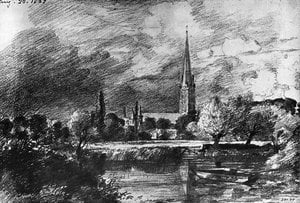
leaping horse
複製画サイズ一覧
John Constable's "The Leaping Horse," painted in 1825, isn’t merely a depiction of a scene; it’s a distillation of the English countryside captured with an almost palpable sense of immediacy and emotion. This landscape painting, brimming with life and subtle detail, transports us to the River Stour valley – Constable's beloved home region of Suffolk – offering a glimpse into the rhythms of rural life and the artist’s profound connection to his surroundings. The image presents a lively tableau: a tow horse, powerfully pulling a barge across the riverbank, leaps gracefully over a cattle guard barrier, a common sight along the waterways of the time designed to keep livestock from straying. Flanking this central action are figures – likely lightermen and perhaps passengers – engaged in the everyday tasks of navigating the river, their presence adding a layer of human interaction to the natural world.
Constable’s signature style is immediately evident. He eschews the rigid formality of earlier landscape painters like Claude Lorrain, instead embracing a looser, more expressive brushstroke. Notice how the paint seems to shimmer and flow across the canvas, capturing the fleeting effects of light and shadow with remarkable sensitivity. The artist doesn't aim for photographic accuracy; rather, he prioritizes conveying the *feeling* of the scene – the warmth of the sun on the water, the rustle of reeds in the breeze, the energy of the horse’s movement. This approach aligns perfectly with the tenets of the Romantic movement, which emphasized emotion and imagination over strict representation.
Examining the painting’s composition reveals Constable’s meticulous attention to detail. The placement of the horse is central, drawing the viewer’s eye immediately to its dynamic leap. The use of aerial perspective – a technique where distant objects appear paler and less distinct – creates a sense of depth and atmospheric distance, effectively conveying the vastness of the landscape. Note how Constable subtly incorporates elements from his immediate surroundings: the weathered post of the cattle guard, the suggestion of a willow tree in the background (a detail he later revisited in a preparatory study), and even the faint outline of St Mary’s Church tower in Dedham – landmarks that would have been intimately familiar to the artist. The inclusion of these local details anchors the scene within its specific geographical context, reinforcing Constable's deep connection to his home.
Technically, “The Leaping Horse” is executed in oil on canvas, a medium that allowed Constable to achieve the rich colors and luminous effects he so prized. He employed a technique known as ‘broken color,’ layering thin washes of paint over each other to build up depth and vibrancy. This method contributes significantly to the painting’s atmospheric quality, creating a sense of shimmering light and subtle tonal variations.
Beyond its immediate visual appeal, “The Leaping Horse” is rich in symbolic meaning. The horse itself represents strength, vitality, and the essential role of animals in rural life. The act of leaping over the cattle guard barrier can be interpreted as a celebration of freedom and movement – a fleeting moment of exhilaration within the constraints of daily labor. The presence of the barge and its crew speaks to the importance of trade and transportation in this agricultural community. Furthermore, Constable’s choice to depict such an ordinary scene—a commonplace event on the River Stour—reflects his belief that beauty could be found in the everyday details of rural life.
Painted during a period of significant social and political change in England, “The Leaping Horse” offers a poignant glimpse into a vanishing way of life. The painting captures a moment before industrialization fundamentally altered the landscape and transformed the rhythms of rural existence. Constable’s work serves as both a celebration of this past and a testament to his enduring love for the English countryside.
WahooArt offers meticulously crafted, hand-painted reproductions of John Constable's "The Leaping Horse," allowing you to bring this iconic masterpiece into your home or office. Our skilled artists replicate the painting’s intricate details and atmospheric qualities with exceptional accuracy, using archival-quality materials to ensure lasting beauty. Whether you are an art enthusiast, a collector, or simply seeking to add a touch of timeless elegance to your décor, our reproduction captures the essence of Constable's vision – a moment of rural grace, imbued with emotion and a profound appreciation for the natural world.
ジョン・コンスタブル作「leaping horse」の色彩構成は、StatementなコントラストとBalanced Harmonyな調和を併せ持っています。
ジョン・コンスタブル作「leaping horse」の手描き複製画は、こちらの手描き油彩複製画ページからご注文いただけます:リネンキャンバスに手描きされた油彩複製画(受注制作)
「leaping horse」は、Romanticism様式のもと、ジョン・コンスタブルによって制作されました。作者と様式は、その作品が受け継ぐ伝統を定義するものです。


1776 - 1837 , イギリス

Explore the profound legacy of John Constable. Discover how his mastery of light, atmosphere, and the English landscape redefined Romanticism through timeless, museum-quality oil reproductions for discerning collectors.

 設置イメージを確認
 送る
送る シェア
シェア
 詳細情報
詳細情報 ガイドを表示

 画像をダウンロード
 似ている作品
 X線調査
X線調査 スライドショー
 統計情報
統計情報
 続きを読む
続きを読む









 ガラスオプションは、110cm未満のサイズでのみご利用いただけます。