A Tempestuous Vision of Rural England: Exploring Constable’s Hampstead Stormy Sky
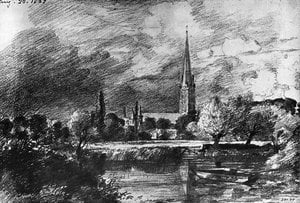
John Constable's “Hampstead Stormy Sky,” painted in 1814, stands as a cornerstone of Romantic landscape painting—a testament to the burgeoning fascination with capturing the sublime beauty and emotional resonance of the natural world. More than just a depiction of a hillside vista, it’s an immersive experience rendered through masterful observation and imbued with profound symbolic significance. The painting captures a moment of dramatic atmospheric intensity: dark, brooding clouds dominate the sky above Hampstead Heath, casting shadows across rolling fields dotted with trees—a familiar scene to anyone acquainted with Constable's beloved Suffolk landscape. Scattered figures add a human element, subtly emphasizing our relationship with the grandeur of nature.
- Subject Matter: The composition centers around Hampstead Heath, a location celebrated for its tranquility and pastoral charm. However, Constable deliberately juxtaposes this serenity with turbulent weather conditions, prompting contemplation on the unpredictable forces shaping our environment.
- Style: Belonging firmly to the Romantic movement, “Hampstead Stormy Sky” embodies the spirit of artistic rebellion against Neoclassical formalism. Artists like Lorrain sought idealized beauty and harmony; Constable instead prioritized honest representation—capturing the raw power and emotional truth of observed reality.
Constable’s technique is remarkable for its commitment to plein air painting – working directly from nature. He meticulously studied the effects of light and shadow on the landscape, painstakingly recreating these nuances on canvas with oil paints applied in thin glazes. This layering process allows for subtle gradations of color and texture, creating an illusion of depth and luminosity that surpasses mere visual accuracy; it aims to evoke a feeling of palpable atmosphere—the damp chill of impending rain, the diffused glow of sunlight filtering through clouds.
Historical Context: Painted during a period of significant intellectual upheaval – the Enlightenment giving way to Romanticism – “Hampstead Stormy Sky” reflects the broader cultural shift toward valuing emotion and imagination over reason. The painting aligns with the Romantic preoccupation with confronting mortality and experiencing awe in the face of overwhelming natural forces, mirroring the philosophical currents of the time.
Symbolism: Beyond its aesthetic qualities, “Hampstead Stormy Sky” carries symbolic weight. The turbulent sky represents not merely meteorological phenomena but also psychological turmoil—the anxieties and uncertainties inherent in human existence. Yet, amidst this darkness, Constable introduces a vibrant rainbow—a symbol of hope and renewal—suggesting that beauty and solace can be found even within moments of adversity. This duality underscores the Romantic belief in the transformative power of nature to inspire contemplation and elevate the spirit.
- Emotional Impact: The painting’s enduring appeal lies in its ability to transport viewers back to a time when art sought to capture not just what was seen but how it felt. Constable's masterful rendering of atmospheric perspective—the gradual blurring of distant objects—creates an immersive experience that resonates with the viewer’s senses, fostering a profound appreciation for the sublime.
Ultimately, “Hampstead Stormy Sky” transcends its depiction of a simple landscape; it is a meditation on the human condition and our relationship to the natural world. It remains a powerful reminder that beauty can coexist with darkness, and that true artistic expression resides in conveying not just visual information but also emotional truth—a legacy cemented by Constable’s unwavering dedication to capturing the essence of his beloved Hampstead Vale.