スピーディーな制作と多彩な仕上げオプションが魅力の、ミュージアムクオリティなジークレー・キャンバスプリント。 ( 手描きの複製画を注文する デジタル画像販売へ切り替え)





























作品のオリジナル比率に合わせた、当店の規定サイズからお選びください。

額縁や壁のスペースに合わせて、ご希望の幅と高さを入力してください。プリントはカットすることは可能ですが、元の画像より大きくすることはできないため、異なる比率のサイズを選択された場合は、画像の一部が欠けることになります。印刷を開始する前に、内容を確認していただくためのデジタルモックアップをお送りいたします。このページに表示されている画像は、実際のカット後の状態を示すものではありません。実際の仕上がりはモックアップにてご確認ください。
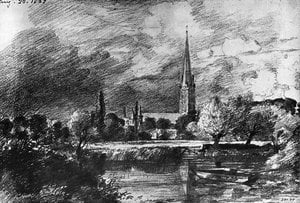
Hampstead Heath with a Rainbow
複製画サイズ一覧
Painted in 1836 during the twilight years of his career, John Constable's “Hampstead Heath with a Rainbow” is more than just a landscape; it’s a deeply felt meditation on the beauty and power of the natural world. This evocative scene, currently residing within the Tate Britain collection, captures a fleeting moment in Branch Hill overlooking Hampstead Heath – a location that held particular significance for Constable, representing a vital connection to his beloved Suffolk roots.
Constable’s style at this period is characterized by an extraordinary sensitivity to light and atmosphere. He eschewed the grand, theatrical landscapes favored by some of his contemporaries, instead opting for a more intimate portrayal of familiar surroundings. The painting isn't merely a depiction of a view; it’s a distillation of feeling – a palpable sense of serenity mingled with a hint of melancholy. Notice how he employs loose, expressive brushstrokes, allowing the canvas to breathe and conveying the movement of clouds and the shimmer of sunlight on the water. This technique, deeply rooted in his observation of nature, creates an immediate impression of immediacy and authenticity.
To fully appreciate “Hampstead Heath with a Rainbow,” it’s crucial to understand Constable's personal connection to the landscape. Born in East Bergholt, Suffolk, he spent his life immersed in the rhythms of rural England. His father, a successful corn merchant and mill owner, provided him with both financial security and access to the very subjects that would define his artistic legacy – the rolling hills, meandering rivers, and humble lives of the countryside. This intimate familiarity is evident in every detail of the painting: the weathered textures of the buildings, the gentle curves of the riverbank, and the quiet dignity of the distant town.
The inclusion of a windmill, a relatively uncommon element in Constable’s earlier works, adds an intriguing layer of symbolism. Windmills represented industry and progress during this era, yet here they are subtly integrated into the pastoral scene, suggesting a harmonious coexistence between nature and human endeavor. The rainbow itself, arcing across the stormy sky, is a potent symbol of hope and renewal – a promise after the storm, reflecting Constable’s own enduring optimism.
Constable's masterful use of light is arguably the painting’s most compelling feature. He expertly captures the shifting qualities of daylight, transitioning from the diffused glow of a cloudy afternoon to the vibrant hues of a setting sun. The composition is carefully balanced, drawing the viewer’s eye through the scene – from the foreground details of the riverbank and buildings, across the expansive expanse of Hampstead Heath, and finally to the distant town nestled in the valley. Note how he uses atmospheric perspective—distant objects appear paler and less distinct—to create a sense of depth and scale.
The painting is executed primarily in oil on canvas, utilizing a technique known as “impasto,” where thick layers of paint are applied to the surface, creating a tactile and visually rich texture. This impasto not only adds physicality to the scene but also enhances the sense of movement and energy within the landscape. The subtle variations in color and tone further contribute to the painting’s atmospheric effect, evoking a feeling of warmth and tranquility.
“Hampstead Heath with a Rainbow” stands as a testament to John Constable's unique vision and his profound understanding of the English countryside. It represents a pivotal moment in the development of landscape painting, moving away from purely decorative representations towards more emotionally resonant and psychologically complex portrayals of nature. Constable’s ability to capture not just the appearance but also the essence of a place—its mood, its history, and its spirit—continues to inspire artists and captivate viewers today. Reproductions of this iconic work offer a window into Constable's world, allowing us to experience the beauty and serenity of rural England as he saw it.
ジョン・コンスタブルの記録されたテーマであるromantic landscape influence, english countryside focus, nature's power & beauty, constable's regional themes, symbolic storm imagery, hay wain echoes", rainbow as hope/promise, late career vision"の中でも、「Hampstead Heath with a Rainbow」はlandscape, stormy sky, rainbow, rural scene, windmill, nature, england, constableに独自の焦点を当てています。
ジョン・コンスタブル作「Hampstead Heath with a Rainbow」のX線解析ページは、X線写真のような表示を含む、作品画像の11層にわたる光学レイヤーをスライドして閲覧できるインタラクティブ・ビューアです。
ジョン・コンスタブルの画業において、「Hampstead Heath with a Rainbow」はLate Periodに制作されたものです。この時期を知ることで、同アーティストの他の作品との比較検討が可能になります。


1776 - 1837 , イギリス

Explore the profound emotional power of Romantic landscape art. Discover how masters like Friedrich captured the sublime through breathtaking nature, and learn to curate these evocative masterpieces for your luxury interior collection.

Explore the profound legacy of John Constable. Discover how his mastery of light, atmosphere, and the English landscape redefined Romanticism through timeless, museum-quality oil reproductions for discerning collectors.

 設置イメージを確認
 送る
送る シェア
シェア
 詳細情報
詳細情報 ガイドを表示

 画像をダウンロード
 似ている作品
 X線調査
X線調査 スライドショー
 統計情報
統計情報

 続きを読む
続きを読む









 ガラスオプションは、110cm未満のサイズでのみご利用いただけます。