スピーディーな制作と多彩な仕上げオプションが魅力の、ミュージアムクオリティなジークレー・キャンバスプリント。 ( 手描きの複製画を注文する デジタル画像販売へ切り替え)





























作品のオリジナル比率に合わせた、当店の規定サイズからお選びください。

額縁や壁のスペースに合わせて、ご希望の幅と高さを入力してください。プリントはカットすることは可能ですが、元の画像より大きくすることはできないため、異なる比率のサイズを選択された場合は、画像の一部が欠けることになります。印刷を開始する前に、内容を確認していただくためのデジタルモックアップをお送りいたします。このページに表示されている画像は、実際のカット後の状態を示すものではありません。実際の仕上がりはモックアップにてご確認ください。
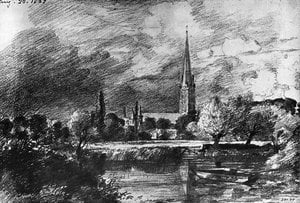
Flatford Mill from the Tow Path
複製画サイズ一覧
In the heart of the English countryside, where the River Stour winds through the verdant landscapes of Suffolk, lies a vision of tranquility captured forever by John Constable. “Flatford Mill from the Tow Path,” completed between 1816 and 1817, is far more than a mere landscape; it is an intimate dialogue between an artist and his homeland. As one of the most revered figures of the Romantic movement, Constable possessed a rare ability to transcend simple depiction, infusing his canvases with a profound emotional resonance that speaks to the very essence of nature. This monumental work serves as a cornerstone of British art history, inviting the viewer to step into a world where the boundaries between the observer and the observed dissolve into a seamless tapestry of light, water, and life.
The painting presents a breathtakingly serene scene, where the gentle flow of the River Stour acts as a mirror to the sky. Along the riverbank, the presence of human life—two figures strolling peacefully along the path—integrates seamlessly with the natural world, suggesting a harmonious coexistence between man and the environment. The composition is enriched by the subtle movement of birds in the sky and the distant, sturdy silhouettes of horses, all of which contribute to the idyllic, rural charm of the Dedham Vale. For the collector or interior designer, this piece offers an unparalleled sense of calm, making it a perfect centerpiece for spaces designed to evoke peace, nostalgia, and a connection to the timeless beauty of the natural world.
What sets Constable apart from his contemporaries was his revolutionary approach to texture and atmosphere. Rejecting the polished, overly idealized vistas favored by the classical traditions of Claude Lorrain, Constable embraced what many would later recognize as a precursor to Impressionism. He utilized loose, energetic brushstrokes and a vibrant palette to capture the palpable humidity of the English air and the shifting light of a changing day. His technique was not about achieving a smooth, photographic finish, but rather about conveying the feeling of the landscape—the dampness of the riverbank, the rustle of the leaves, and the fleeting brilliance of sunlight breaking through clouds.
This mastery of light and shadow creates a sense of depth that is almost tactile. When viewing a high-quality reproduction of this masterpiece, one can appreciate how Constable’s "weather" painting technique brings the scene to life. He famously believed that “painting is but another word for feeling,” and this sentiment is etched into every layer of pigment. The way the light dances upon the water's surface and the soft, hazy quality of the distant trees work together to create a sense of atmospheric perspective that draws the eye deep into the heart of the Stour Valley.
The historical context of this work is deeply intertwined with Constable’s personal journey. Growing up in East Bergholt, the son of a prosperous corn merchant who owned the very mills depicted in his art, the landscape was his childhood playground and his lifelong muse. The Stour series, to which this painting belongs, represents a period of intense devotion where Constable sought to portray his home not as an idealized fantasy, but with a truthful, rugged honesty. Even amidst personal and professional upheavals, his commitment to capturing the "truth" of nature remained unshakable.
For those seeking to adorn their homes or galleries with art that inspires contemplation, “Flatford Mill from the Tow Path” offers a profound emotional impact. It is a piece that celebrates the sublime beauty found in the everyday—the quiet dignity of a river, the strength of an old mill, and the enduring rhythm of rural life. Owning a reproduction of this work allows one to bring a fragment of England's Romantic soul into their personal sanctuary, providing a constant source of inspiration and a window into a more tranquil era.
「Flatford Mill from the Tow Path」の明暗のコントラストはStatementと記録されています。コントラストとは、明るい部分と暗い部分がどの程度強く異なっているかを表す指標です。
ジョン・コンスタブル作「Flatford Mill from the Tow Path」は、その情緒においてRomanticと表現されます。この分類は、作品を空間やシーンに合わせる際の手助けとなります。
ジョン・コンスタブル作「Flatford Mill from the Tow Path」は、Anniversaryへの贈り物としておすすめです。こちらの作品の複製画を、プレゼントとしてお贈りいただけます。

1776 - 1837 , イギリス

Explore the profound emotional power of Romantic landscape art. Discover how masters like Friedrich captured the sublime through breathtaking nature, and learn to curate these evocative masterpieces for your luxury interior collection.

Explore the profound legacy of John Constable. Discover how his mastery of light, atmosphere, and the English landscape redefined Romanticism through timeless, museum-quality oil reproductions for discerning collectors.

 設置イメージを確認
 送る
送る シェア
シェア
 詳細情報
詳細情報 ガイドを表示

 画像をダウンロード
 似ている作品
 X線調査
X線調査 スライドショー
 統計情報
統計情報

 続きを読む
続きを読む









 ガラスオプションは、110cm未満のサイズでのみご利用いただけます。