


スピーディーな制作と多彩な仕上げオプションが魅力の、ミュージアムクオリティなジークレー・キャンバスプリント。 ( 手描き複製画を注文する デジタル画像販売へ切り替え)





























作品のオリジナル比率に合わせた、当店の規定サイズからお選びください。

額縁や壁のスペースに合わせて、ご希望の幅と高さを入力してください。プリントはカットすることは可能ですが、元の画像より大きくすることはできないため、異なる比率のサイズを選択された場合は、画像の一部が欠けることになります。印刷を開始する前に、内容を確認していただくためのデジタルモックアップをお送りいたします。このページに表示されている画像は、実際のカット後の状態を示すものではありません。実際の仕上がりはモックアップにてご確認ください。
Peasants Dancing
複製画サイズ一覧
In the heart of the seventeenth century, amidst the bustling energy of the Dutch Golden Age, Johannes Lingelbach captured a moment of pure, unadulterated human connection. His masterpiece, "Peasants Dancing," is far more than a mere depiction of rural festivities; it is a vibrant window into a world where life was celebrated through movement, community, and the simple pleasures of existence. Painted in 1651, this work serves as a breathtaking testament to the artist's ability to weave together the dramatic tension of the Italian Baroque with the grounded, observational realism characteristic of the Dutch tradition. As one gazes upon the canvas, the viewer is immediately swept into a rustic landscape where the air seems to hum with the sound of laughter and the rhythmic thud of dancing feet.
The composition is anchored by a magnificent, ancient tree that rises prominently in the foreground, its textured bark and sprawling branches acting as a natural canopy for the revelry below. This arboreal sentinel does more than provide structure; it symbolizes the enduring strength of nature and the cyclical rhythms of life that mirror the seasonal celebrations of the peasantry. Around this central figure, a group of villagers is gathered, their bodies caught in mid-motion, draped in traditional attire of warm earth tones—ochres, deep browns, and muted greens—that allow them to blend harmoniously with the sun-dappled landscape. The presence of a horse and a distant building adds layers of depth and narrative, suggesting a larger, living world that extends far beyond the edges of the frame.
Lingelbach’s technical prowess is nowhere more evident than in his sophisticated use of chiaroscuro. Drawing inspiration from the dramatic light-and-shadow techniques pioneered by Caravaggio, he illuminates the scene with a warm, golden glow that feels as though it is emanating from within the canvas itself. This light does not merely reveal the subjects; it sculpts them, highlighting the delicate folds in a peasant's sleeve, the rugged texture of the tree bark, and the expressive, joyful contours of their faces. The interplay between light and shadow creates a profound sense of three-dimensionality, pulling the viewer into the very center of the dance.
For the discerning collector or interior designer, this painting offers an unparalleled emotional resonance. It possesses a rare ability to breathe warmth and vitality into any space, acting as a focal point that invites contemplation and conversation. The meticulous detail—from the subtle nuances of human psychology in the peasants' expressions to the atmospheric depth of the background—ensures that the piece remains captivating upon every viewing. To possess a reproduction of "Peasants Dancing" is to bring a piece of history into the modern home, offering an enduring sense of nostalgia, warmth, and the timeless beauty of the human spirit in celebration.
ヨハネス・リンゲルバッハ作「Peasants Dancing」の主色(メインカラー)はEspresso (#4c3931)です。
「Peasants Dancing」はAccentに最適で、Living Roomへの飾るのがおすすめです。
「Peasants Dancing」は1651年に制作された、Baroqueの作品です。


1622 - 1674 , ドイツ

Journey through the Golden Age with our guide to the Top 10 Dutch Baroque masterpieces! Explore iconic paintings by Rembrandt, Vermeer & Frans Hals. Find museum-quality art reproductions and elevate your home decor at WahooArt.com.

Explore the dramatic mastery of the Dutch Baroque era. Discover how masters like Rembrandt used chiaroscuro to transform everyday life into timeless art. An expert guide for collectors and enthusiasts seeking to understand the profound interplay of light and shadow.

Explore the Dutch Golden Age of painting! Discover key artists like Vermeer & ter Borch, their innovative techniques, and the rich cultural context behind these Baroque masterpieces. Learn about collecting & appreciating this iconic art period.

オランダ黄金時代の10大傑作を紐解く!レンブラント、フェルメール…バロック絵画の魅力と時代背景を深く探求。WahooArtで、至高のアートコレクションと空間演出のヒントを見つけよう。高品質なアートプリントで、お部屋を華やかに。
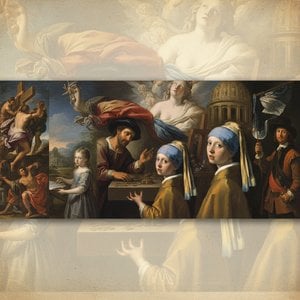
バロック美術の華!カラヴァッジョ、ベルニーニら巨匠が創り上げた10大名作を徹底解剖。ドラマチックな色彩と豪華絢爛の世界観に触れ、至宝のアートプリントで空間を彩ろう。WahooArt.comで美術館品質の複製と洗練されたインテリアを見つけましょう!
 設置イメージを表示
 シェアする
シェアする シェアする
シェアする
 詳細を見る
詳細を見る ガイドを表示

 ダウンロード
 似ている作品
 X線調査
X線調査 スライドショーを表示
 Q&A
Q&A
 統計情報
統計情報


 詳細を表示
詳細を表示









 ガラスオプションは、110cm未満のサイズでのみご利用いただけます。


