
当社のアーティストが、お客様のご希望のサイズと額縁に合わせて、キャンバスに手描きで制作する油彩画です。 ( プリント版に切り替え デジタル画像販売へ切り替え)





























作品のオリジナル比率に合わせた、当店の規定サイズからお選びください。

特定のフレームやスペースに合わせて、ご希望のサイズをご入力いただけます。選択されたサイズが元の画像の比率と異なる場合、アートワークをトリミングするか、手描きで要素を追加して絵画を拡張いたします。デジタルモックアップ を制作し、制作開始前にご確認(承認)をいただきます。
画面上のプレビューは、実際のトリミングや拡張を正確に反映しているものではありません。最終的な構図は、モックアップによってのみ正確にご確認いただけます。
カスタムサイズもご利用いただけますが、元の比率を維持するためには、あらかじめ用意されたリストからサイズを選択することをお勧めいたします。

The Horse’s Bath
複製画のサイズ
Joaquín Sorolla y Bastida, a name synonymous with the radiant light and vibrant energy of Spain at the turn of the 20th century, gifted us with an extraordinary body of work. Among his most beloved paintings, “The Horse’s Bath” (1909) stands as a testament to his mastery of capturing fleeting moments of beauty and the profound connection between humanity and nature. More than just a depiction of a horse drinking from the sea, it's a carefully constructed tableau brimming with symbolism and bathed in Sorolla’s signature luminous style – a visual poem that continues to resonate with viewers today.
The painting transports us to El Cabañal beach near Valencia, Spain. A young boy, rendered with remarkable detail and youthful exuberance, pulls on the bridle of a magnificent white horse. The horse itself is deeply immersed in the cool waters of the Mediterranean, its form dissolving into the shimmering blues and whites of the scene. A woman stands beside him, her presence serene and attentive, seemingly lost in the simple pleasure of this shared moment. In the background, a hazy coastline hints at the bustling life beyond the beach, yet here, within the frame, time seems to have suspended itself.
Sorolla's genius lay in his ability to translate light onto canvas with breathtaking accuracy. He employed a technique that can be described as intensely impressionistic, yet distinctly his own. Rather than meticulously rendering every detail, he focused on capturing the *effects* of light – its reflections, its diffusion, and its transformative power. Thick, broken brushstrokes create a sense of movement and vibrancy, particularly noticeable in the water, which seems to ripple and shimmer with an almost palpable energy. The use of complementary colors—the cool blues and greens against the warm whites and yellows—further intensifies this effect, creating a dazzling visual experience.
He utilized a high vantage point, placing the viewer at eye level with the boy pulling on the horse’s bridle. This perspective draws us into the scene, emphasizing the foreground elements – the figures and the water – while relegating the horizon to a distant, almost ethereal line. This compositional choice allows Sorolla to concentrate on the immediate sensory experience of light and color, creating an immersive atmosphere that invites the viewer to step into the painting.
“The Horse’s Bath” is more than just a pretty beach scene; it's imbued with layers of meaning. The horse itself has long been associated with strength, nobility, and freedom in European art and culture. Here, its relaxed posture and enjoyment of the water suggest a sense of contentment and harmony. The boy, likely representing childhood innocence and vitality, embodies a connection to nature and tradition. The woman’s presence adds an element of domesticity and care, highlighting the importance of family life within Spanish society.
Painted in 1909, during a period of significant social and artistic change in Spain, the painting reflects Sorolla's embrace of modernism while retaining a deep connection to his native land. It’s considered one of his most important works, exemplifying his ability to capture the essence of Spanish life – its light, its warmth, and its enduring spirit. The work was inspired by the artist’s own childhood memories of spending summers at the beach with his family.
Today, “The Horse’s Bath” is housed in the Museo Sorolla in Madrid, a testament to the artist's enduring legacy. High-quality reproductions offer art lovers around the world an opportunity to experience the beauty and tranquility of this iconic painting. Whether displayed as a statement piece in a contemporary interior or cherished as a nostalgic reminder of simpler times, a reproduction of “The Horse’s Bath” brings a touch of Spanish light and warmth into any space.


1863 - 1923 , スペイン

Embark on a visual journey through the radiant sunlight of Joaquín Sorolla's masterpieces. Discover the brilliance of Spanish Impressionism and learn how to bring this luminous legacy into your home with museum-quality, hand-painted oil reproductions from WahooArt.
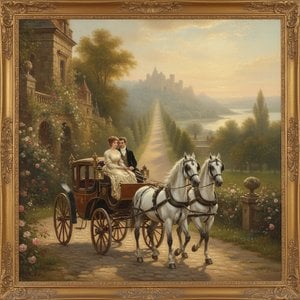
Embark on a visual journey through the romantic world of horse carriage art. Discover the mastery of equestrian oil paintings, from Impressionist textures to classical realism, and learn how to bring timeless elegance into your home with museum-quality reproductions.

Master the nuances of Impressionism vs. Post-Impressionism with our expert guide. Explore the revolutionary shift from Monet’s fleeting light to Van Gogh’s emotional depth. Discover how these iconic movements continue to inspire fine art collectors and modern interiors today.

Embark on a sophisticated exploration of Spanish art history, from the chiaroscuro mastery of Velázquez to the profound shadows of Goya. Discover how the dramatic light and emotional depth of Spain's greatest masters continue to inspire collectors and connoisseurs today.


 プレビュー
プレビュー
 シェアする
シェアする シェアする
シェアする
 詳細を見る
詳細を見る

 ダウンロード
 似ている作品
 X線調査
X線調査 スライドショー
 統計情報
統計情報


 詳細を見る
詳細を見る









 ガラスオプションは、110cm未満のサイズでのみご利用いただけます。


