
 Acrylic On CanvasWallArtSorolla, Impressionism
 1885
1885 2.0 x 10.0 cm
 Sorolla Museum
当社のアーティストが、お客様のご希望のサイズと額縁に合わせて、キャンバスに手描きで制作する油彩画です。 ( プリント版に切り替え デジタル画像販売へ切り替え)





























作品のオリジナル比率に合わせた、当店の規定サイズからお選びください。

特定のフレームやスペースに合わせて、ご希望のサイズをご入力いただけます。選択されたサイズが元の画像の比率と異なる場合、アートワークをトリミングするか、手描きで要素を追加して絵画を拡張いたします。デジタルモックアップ を制作し、制作開始前にご確認(承認)をいただきます。
画面上のプレビューは、実際のトリミングや拡張を正確に反映しているものではありません。最終的な構図は、モックアップによってのみ正確にご確認いただけます。
カスタムサイズもご利用いただけますが、元の比率を維持するためには、あらかじめ用意されたリストからサイズを選択することをお勧めいたします。

Paris Boulevard
複製画のサイズ
Joaquin Sorolla y Bastida’s “Paris Boulevard,” painted in 1885, isn’t merely a depiction of a city street at night; it’s an immersive experience. Captured during his formative years in Paris, a period of intense artistic exploration and experimentation, the painting vibrates with the energy of a bustling urban landscape bathed in the evocative glow of gaslight and automobile headlights. Sorolla, already demonstrating a remarkable sensitivity to light – a hallmark that would define his entire career – masterfully translates this fleeting moment into a canvas brimming with warmth and movement. The scene unfolds with an immediacy that draws the viewer directly into the heart of Parisian life, offering a glimpse into the rhythms and textures of a city on the cusp of modernity.
(Image courtesy of Google Arts & Culture)
Sorolla's genius lies not just in his subject matter, but in the way he renders it. He employs a vibrant, almost feverish palette—a deliberate departure from the muted tones often associated with nocturnal scenes—to capture the dynamism of the evening. Thick, broken brushstrokes create an illusion of shimmering light reflecting off wet pavement and the metallic surfaces of carriages. The artist’s technique is remarkably loose and expressive, prioritizing capturing the *impression* of light rather than a photographic representation. Notice how he uses short, rapid strokes to depict the movement of pedestrians and vehicles, while simultaneously blending colors to suggest the hazy atmosphere of a Parisian night. This masterful manipulation of color and texture creates a sense of immediacy and vitality that is truly captivating.
The painting’s composition is equally deliberate. The diagonal thrust of the street guides the eye through the scene, leading us along with the flow of traffic. Sorolla skillfully utilizes atmospheric perspective – darker tones in the background suggesting distance – to create a sense of depth and spatial awareness. The figures themselves are rendered with remarkable detail, each individual possessing a unique presence within the larger tableau.
Sorolla's time in Paris was pivotal in his artistic development. He sought to immerse himself in the burgeoning Impressionist movement, studying the works of artists like Monet and Pissarro. However, he didn’t simply mimic their techniques; instead, he absorbed their spirit of experimentation and embraced a distinctly Spanish sensibility. “Paris Boulevard” exemplifies this synthesis – it's a Parisian scene painted through a uniquely Sorollan lens. The painting reflects the rapid modernization of Paris during the late 19th century, a period marked by technological advancements (the rise of electric lighting and automobiles) and social change. Sorolla captures not just the visual appearance of the city but also its underlying energy and dynamism.
Beyond its technical brilliance, “Paris Boulevard” resonates with a profound sense of nostalgia and fleeting beauty. The painting evokes a feeling of urban romance—a quiet intimacy amidst the hustle and bustle of city life. The warm glow of the gaslights creates an atmosphere of mystery and intrigue, while the figures strolling along the street suggest a shared experience, a moment of connection in a rapidly changing world. Sorolla’s choice to depict a nighttime scene – often associated with darkness and solitude – is particularly poignant, transforming it into a celebration of light and human interaction. It's a testament to his ability to find beauty and vitality even in the most ordinary moments.


1863 - 1923 , スペイン
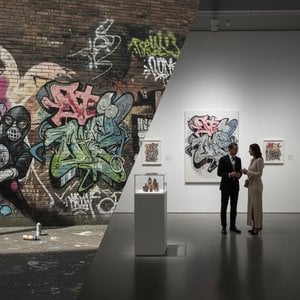
Explore the captivating journey of street art from urban walls to prestigious galleries. Discover how contemporary graffiti has evolved into a high-end collectible movement, redefining modern interior design and global art culture.

Embark on a visual journey through the radiant sunlight of Joaquín Sorolla's masterpieces. Discover the brilliance of Spanish Impressionism and learn how to bring this luminous legacy into your home with museum-quality, hand-painted oil reproductions from WahooArt.

Master the nuances of Impressionism vs. Post-Impressionism with our expert guide. Explore the revolutionary shift from Monet’s fleeting light to Van Gogh’s emotional depth. Discover how these iconic movements continue to inspire fine art collectors and modern interiors today.


 プレビュー
プレビュー
 シェアする
シェアする シェアする
シェアする
 詳細を見る
詳細を見る

 ダウンロード
 似ている作品
 X線調査
X線調査 スライドショー
 統計情報
統計情報 詳細を見る
詳細を見る









 ガラスオプションは、110cm未満のサイズでのみご利用いただけます。


