

このページに掲載されている作品は著作権法によって保護されており、当社の許可なく同一の複製物を制作または販売することは法律で禁じられています。この保護は、以下のような国際条約に基づき執行されます。 ベルヌ条約 および、以下の条項に定められたものを含む各国の法律により、 米国著作権法 第17編。
この手法は、著作権で保護された作品の複製や複写を伴わないため、著作権法に完全に準拠しています。これは単なる模倣ではなく、創造的な再解釈です。元の作品からインスピレーションを受けつつも、それとは異なる、全く新しい絵画を生み出すものです。
スピーディーな制作と多彩な仕上げオプションが魅力の、ミュージアムクオリティなジークレー・キャンバスプリント。 ( 手描きの複製画を注文する デジタル画像販売へ切り替え)





























作品のオリジナル比率に合わせた、当店の規定サイズからお選びください。

額縁や壁のスペースに合わせて、ご希望の幅と高さを入力してください。プリントはカットすることは可能ですが、元の画像より大きくすることはできないため、異なる比率のサイズを選択された場合は、画像の一部が欠けることになります。印刷を開始する前に、内容を確認していただくためのデジタルモックアップをお送りいたします。このページに表示されている画像は、実際のカット後の状態を示すものではありません。実際の仕上がりはモックアップにてご確認ください。
Cabeza de mujer
複製画サイズ一覧
In the vast, labyrinthine landscape of 20th-century Surrealism, few works possess the raw, psychological magnetism of Joan Miró’s Cabeza de mujer. Painted during a transformative period between 1935 and 1940, this masterpiece serves as a profound window into the artist's subconscious. Rather than offering a traditional portrait, Miró presents us with a stylized, dreamlike visage that defies the boundaries of literal representation. The painting is an evocative exploration of identity and emotion, where the human form is deconstructed into a rhythmic dance of geometric shapes and organic flourishes. To gaze upon this work is to step into a realm where the distinction between reality and fantasy dissolves, leaving only the primal essence of the subject behind.
The visual language of Cabeza de mujer is defined by its striking, almost confrontational, palette. Miró utilizes a stark, dramatic tension through the interplay of deep blacks and a piercing, crimson red. This limited yet potent color scheme does more than just command attention; it mirrors the turbulent psychological landscape of an era marked by profound uncertainty. The technique itself—tempera on canvas applied with thick, expressive impasto strokes—lends a tactile physicality to the piece. These bold, textured marks create a sense of movement and spontaneity, as if the artist were capturing a fleeting thought or a sudden burst of emotion directly from the ether of his imagination.
Beyond its aesthetic brilliance, the artwork is deeply embedded in the historical currents of Catalonia. Created amidst the rise of Francisco Franco’s dictatorship following the Spanish Civil War, the painting breathes with the anxieties of a society under siege. For Miró, Surrealism was not merely an artistic choice but a tool for resistance—a way to articulate the suppressed truths and cultural identities that faced censorship. The composition, featuring eyes scattered across a face composed of circles, squares, and triangles, suggests a fragmented perception, perhaps reflecting the fractured state of a nation in turmoil. The inclusion of organic forms, reminiscent of roots or plant stems, intertwines the human experience with the very earth of Catalonia, grounding his abstract visions in a deep sense of place.
For the discerning collector or interior designer, Cabeza de mujer offers much more than visual intrigue; it provides an emotional anchor for a sophisticated space. The painting’s ability to evoke both unsettling tension and mesmerizing beauty makes it a versatile centerpiece for modern environments. Whether placed in a minimalist gallery setting or integrated into a richly textured living space, the work invites continuous contemplation. It is a piece that does not merely decorate a wall but transforms an atmosphere, offering a sophisticated dialogue between the viewer and the enduring legacy of one of art history's most visionary minds.
「Cabeza de mujer」の中で最も際立っている色はBlack (#0d0605)です。作品の主色(メインカラー)を知ることは、インテリアとのコーディネートを考える際に役立ちます。
「Cabeza de mujer」のパレットは、彩度がSubtle Colorです。
「Cabeza de mujer」は、Modern時代に制作されたものです。


1893 - 1983 , スペイン

モンドリアン、マレーヴィチ…幾何学的抽象絵画を代表する傑作10選。各作品の背景や色彩構成、アーティストの情熱に迫ります。美術館品質の複製画はWahooArt.comで。オンラインでアートコレクションをご覧ください。
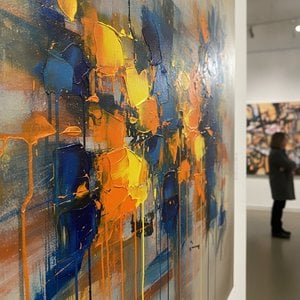
Master the high-impact world of contemporary abstraction. Discover how bold colors, textures, and modern movements like Abstract Expressionism can transform your space with premium, high-energy art curated for the design-conscious professional.

ダリ、マグリット…シュルレアリスムを代表する10選を紐解く。夢と無意識の世界へ誘う傑作の裏側を徹底解説。空間に彩りを添える、至高のアートプリントを見つけませんか?WahooArt.comでコレクションを探索しよう。

抽象表現主義を定義する10の傑作。ポロック、ロスコら巨匠たちの情熱と色彩の世界へ。各作品に込められた物語と技法を紐解き、至高のアート体験を。WahooArt.comで、ミュージアムクオリティの複製画や洗練されたインテリアアイデアを発見してください。

ジョアン・ミロの傑作25選🎨 シュルレアリスムを代表する巨匠、ミロの世界へ。色彩と象徴に満ちた絵画の物語を紐解き、インテリアアートのインスピレーションを得ましょう。WahooArtで高品質なアートプリントをお探しください✨

 設置イメージを確認
 送る
送る シェア
シェア
 詳細情報
詳細情報 ガイドを表示

 画像をダウンロード
 似ている作品
 X線調査
X線調査 スライドショー
 統計情報
統計情報

 続きを読む
続きを読む









 ガラスオプションは、110cm未満のサイズでのみご利用いただけます。


