































作品のオリジナル比率に合わせた、当店の規定サイズからお選びください。

特定のフレームやスペースに合わせて、ご希望のサイズをご入力いただけます。選択されたサイズが元の画像の比率と異なる場合、アートワークをトリミングするか、手描きで要素を追加して絵画を拡張いたします。デジタルモックアップ を制作し、制作開始前にご確認(承認)をいただきます。
画面上のプレビューは、実際のトリミングや拡張を正確に反映しているものではありません。最終的な構図は、モックアップによってのみ正確にご確認いただけます。
カスタムサイズもご利用いただけますが、元の比率を維持するためには、あらかじめ用意されたリストからサイズを選択することをお勧めいたします。

Noel in the Kitchen
複製画のサイズ
Joan Brown's 1964 painting, *Noel in the Kitchen*, isn’t merely a snapshot of a domestic scene; it’s a vibrant distillation of motherhood, childhood, and the quiet rhythms of everyday life. Emerging from the heart of the Bay Area Figurative movement, Brown masterfully captures a moment of intimate connection within her San Francisco home, transforming an ordinary kitchen into a world brimming with warmth, color, and subtle symbolism. The painting immediately draws the eye with its bold palette – primary hues of red, yellow, and blue dominate, creating a sense of energetic playfulness that contrasts beautifully with the grounded subject matter.
At the center of the composition is Noel, Brown’s toddler son, positioned amidst a delightful chaos of domestic objects. He reaches towards a stack of dirty dishes in the sink, his small hand outstretched as if eager to participate in the adult world. Flanking him are two loyal dogs – a golden retriever and a terrier – their profiles rendered with affectionate detail, suggesting a deep bond within the family. The arrangement isn’t haphazard; it's carefully orchestrated, reflecting Brown’s meticulous attention to detail and her ability to imbue even the most commonplace scenes with profound meaning.
Brown’s technique is a fascinating blend of abstraction and figuration. While the figures – Noel, the dogs, and the implied adult – are clearly recognizable, they're rendered with a loose, expressive brushstroke that prioritizes color and form over photographic realism. Thick impasto layers of paint create a tactile surface, inviting the viewer to almost feel the warmth radiating from the scene. The use of polka dots, repeated throughout the canvas, adds an element of playful abstraction, disrupting the sense of stillness and suggesting the dynamic energy of childhood.
Influenced by the Abstract Expressionists like Willem de Kooning and Jackson Pollock, Brown embraced a gestural approach to painting, allowing her emotions and experiences to flow directly onto the canvas. However, unlike the purely abstract works of these artists, *Noel in the Kitchen* retains a strong connection to the tangible world – a testament to Brown’s commitment to portraying personal narratives through recognizable imagery.
*Noel in the Kitchen* is deeply rooted in the context of the Bay Area Figurative movement, which flourished in California during the 1950s and 60s. This group of artists sought to break away from the dominant trends of Abstract Expressionism and explore themes related to American life – family, community, and the landscape. Brown’s work exemplifies this ethos through its focus on domestic scenes and autobiographical subjects. She was particularly influenced by Elmer Bischoff, a key figure in the movement, who encouraged her to embrace bold colors and expressive brushwork.
Furthermore, *Noel in the Kitchen* reflects Brown's own personal experiences as a mother and artist. The painting is often interpreted as a meditation on the joys and challenges of raising a child, capturing the messy beauty of everyday family life. It’s a poignant reminder that art can be found not just in grand gestures but also in the quiet moments shared within the walls of our homes.
Beyond its surface appearance, *Noel in the Kitchen* is rich in symbolism. The stack of dirty dishes represents the mundane tasks of domestic life, while Noel’s outstretched hand symbolizes his desire to connect with the adult world. The dogs embody loyalty and companionship, reinforcing the sense of family unity. The bright colors evoke feelings of warmth, joy, and optimism – a celebration of the simple pleasures of childhood.
Ultimately, *Noel in the Kitchen* is a deeply moving work that speaks to the universal experience of motherhood and the enduring power of family bonds. It’s a testament to Joan Brown's artistic vision and her ability to transform ordinary moments into extraordinary works of art. The painting continues to resonate with viewers today, offering a glimpse into a world filled with love, laughter, and the quiet beauty of everyday life.

1938 - 1990
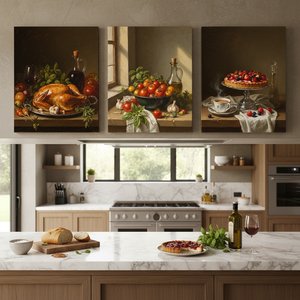
Elevate your home with WahooArt’s bespoke oil paintings. Transform cherished kitchen memories into museum-quality still life masterpieces. Hand-painted by master artists using traditional techniques to create a timeless legacy for your luxury interior.


 プレビュー
プレビュー
 プリントを購入
 シェアする
シェアする シェアする
シェアする
 詳細を見る
詳細を見る

 ダウンロード
 似ている作品
 X線調査
X線調査 スライドショー


 詳細を見る
詳細を見る









 ガラスオプションは、110cm未満のサイズでのみご利用いただけます。


