


スピーディーな制作と多彩な仕上げオプションが魅力の、ミュージアムクオリティなジークレー・キャンバスプリント。 ( 手描き複製画を注文する デジタル画像販売へ切り替え)





























作品のオリジナル比率に合わせた、当店の規定サイズからお選びください。

額縁や壁のスペースに合わせて、ご希望の幅と高さを入力してください。プリントはカットすることは可能ですが、元の画像より大きくすることはできないため、異なる比率のサイズを選択された場合は、画像の一部が欠けることになります。印刷を開始する前に、内容を確認していただくためのデジタルモックアップをお送りいたします。このページに表示されている画像は、実際のカット後の状態を示すものではありません。実際の仕上がりはモックアップにてご確認ください。
The Four Elements: Earth
複製画サイズ一覧
Joachim Beuckelaer’s “The Four Elements: Earth,” painted in 1569, isn't merely a still life; it’s a vibrant snapshot of 16th-century Antwerp—a bustling marketplace teeming with the bounty of the land and subtly interwoven with biblical narrative. This remarkable painting, now residing at the National Gallery in London, offers a captivating glimpse into the daily lives, economic realities, and spiritual beliefs of a burgeoning urban society. Beuckelaer, a master of depicting scenes of everyday life—markets, kitchens, and domestic interiors—elevates the commonplace to an artful level, demonstrating a keen eye for detail and a sophisticated understanding of visual storytelling.
The scene unfolds within a modest farmhouse setting, bathed in warm light that highlights the astonishing variety of produce on display. Mountains of vegetables – cabbages, turnips, carrots, beets, leeks, and countless others – tumble from overflowing baskets and spill across tables, creating an impression of overwhelming abundance. The artist’s meticulous rendering captures not just the appearance of these items but also their textures and colors with remarkable accuracy. The sheer volume of food is a deliberate statement, reflecting the prosperity of the region and hinting at the importance of agriculture in its economy. Beyond the immediate visual spectacle, however, lies a deeper symbolic meaning rooted in the Renaissance fascination with classical elements.
Beuckelaer’s masterful use of color is central to the painting's impact. The earthy tones – browns, greens, yellows, and reds – dominate the palette, mirroring the natural world depicted before us. Yet, within this grounded scheme, flashes of vibrant hues—the crimson of a ripe apple, the deep purple of a beet—draw the eye and create a sense of visual delight. The arrangement of the fruits and vegetables isn’t random; it's carefully orchestrated to evoke a feeling of abundance and fertility. Notice how some items are piled high, suggesting wealth and prosperity, while others are arranged in more modest groupings, perhaps representing the everyday needs of a household.
Crucially, “The Four Elements: Earth” is not simply a depiction of a market scene; it’s a carefully constructed allegory. In the background, partially obscured by the tables laden with produce, we glimpse a familiar biblical episode – the Flight into Egypt. The arched doorway and the figures crossing the bridge are unmistakable references to the story of Mary and Joseph seeking refuge from King Herod. This juxtaposition of earthly abundance and divine narrative serves as a subtle reminder of the relationship between material prosperity and spiritual salvation—a common theme in Northern European art of this period.
Executed in oil on wood, “The Four Elements: Earth” showcases Beuckelaer’s exceptional skill in rendering textures and creating a sense of depth. The artist employs a technique known as *sfumato*, subtly blurring the edges of objects to create an atmospheric effect and enhance the illusion of three-dimensionality. This masterful use of light and shadow, combined with his meticulous attention to detail, results in a remarkably lifelike portrayal of the marketplace.
Painted during the waning years of the religious iconoclasm—a period of intense upheaval and destruction of religious images in Antwerp—the painting reflects a shift in artistic focus towards secular subjects. Beuckelaer’s decision to depict a bustling market scene, rather than a traditional religious image, demonstrates this trend. The work is part of a larger series exploring the four elements – Water, Air, and Fire – further solidifying Beuckelaer's place as a pivotal figure in the transition from medieval to Renaissance art. His work provides invaluable insight into the daily lives and beliefs of people living during that time.
“The Four Elements: Earth” is more than just a beautiful painting; it’s a window into the past—a tangible connection to a vibrant and complex society. Its rich symbolism, masterful technique, and captivating subject matter continue to resonate with viewers today. Whether you are an art enthusiast, a collector seeking a unique addition to your collection, or simply someone looking for inspiration, this remarkable painting offers a profound and rewarding experience.
「The Four Elements: Earth」の原画はナショナル・ギャラリーに所蔵されており、本作品はパブリックドメイン(著作権消滅)です。
「The Four Elements: Earth」は、Northern Renaissanceの作品として1569年に制作されました。制作年と様式は、美術史におけるこの作品の位置付けを明確にするものです。
「The Four Elements: Earth」の作者はヨアヒム・ベッケラーです。この作品はヨアヒム・ベッケラーの名でカタログに登録されています。


1533 - 1573 , ベルギー

Explore the dramatic brilliance of the Flemish Baroque movement. Discover how masters like Peter Paul Rubens utilized chiaroscuro and dynamic composition to redefine art history through light, shadow, and unparalleled emotion.
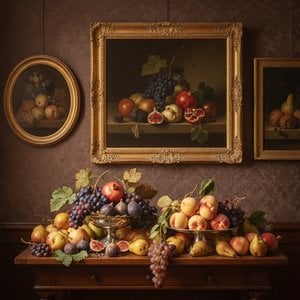
Discover the profound beauty of fruit still life paintings. Explore the rich symbolism, Baroque mastery, and timeless allure of nature's bounty through an art-historical lens, perfect for collectors and enthusiasts of classical fine art.

Explore the profound beauty of fruit arrangement masterpieces. From Dutch Golden Age opulence to Baroque chiaroscuro, discover the art history, symbolism, and timeless elegance of classical still life paintings for the discerning collector.

Embark on a visual journey through history's most opulent masterpieces. Explore the breathtaking beauty of Baroque banquets and fruit still lifes, celebrating themes of abundance and luxury through the lens of timeless classical art expertise.

Embark on a sophisticated journey through art history with our exploration of still life masterpieces. Discover the profound symbolism behind classical paintings of drinks and fruit, curated for the true connoisseur seeking timeless elegance and academic depth.
 設置イメージを表示
 シェアする
シェアする シェアする
シェアする
 詳細を見る
詳細を見る ガイドを表示

 ダウンロード
 似ている作品
 X線調査
X線調査 スライドショーを表示
 Q&A
Q&A
 統計情報
統計情報


 詳細を表示
詳細を表示









 ガラスオプションは、110cm未満のサイズでのみご利用いただけます。


