
迅速な制作と多彩な仕上げオプションを備えた、ミュージアムクオリティのジークレーまたはキャンバスプリント。 ( 手描きの絵画を購入 デジタル画像販売へ切り替え)





























作品のオリジナル比率に合わせた、当店の規定サイズからお選びください。

特定のフレームやスペースに合わせて、ご自身でサイズを指定することも可能です。選択されたサイズが元の画像の比率と一致しない場合、作品をトリミングするか、鏡面反射または単色での塗りつぶしによって画像を拡張いたします。制作を開始する前に、ご確認用のデジタルモックアップをお送りいたします。
画面上のプレビューには、実際のトリミングや拡張は反映されませんのでご注意ください。最終的な構図を正確に確認できるのは、モックアップのみとなります。
カスタムサイズも承っておりますが、元の比率を維持するためには、あらかじめ用意されたリストからサイズを選択することをお勧めいたします。

Scène de grève
複製画のサイズ
In the hauntingly evocative Scène de Grève, completed in 1897, Jean Louis Forain invites the viewer into a realm where the boundaries between social reality and emotional expressionism blur. This is not merely a painting; it is a visceral testament to human suffering and the heavy toll of upheaval. At first glance, the canvas presents a landscape of profound devastation, yet as one lingers before its textured surface, a deeper, more complex narrative begins to unfold. Forain, a master who transitioned from the sharp wit of a Parisian caricaturist to the profound depths of Impressionism and Social Realism, utilizes this piece to capture a moment of overwhelming loss that feels both historically grounded and timelessly tragic.
The composition is a masterclass in controlled chaos. Forain employs a deliberately flattened perspective, a technique that strips away the comfort of depth and replaces it with an inescapable sense of claustrophness. The viewer’s eye is immediately drawn to a solitary figure positioned centrally in the foreground—a sentinel of sorrow dressed in dark, somber tones. This individual appears to be engaged in a grim task, perhaps using a surveying tool to assess the wreckage of what has been lost. Behind this lone observer, the background erupts into a sprawling, amorphous mass of bodies, creating a stark contrast between individual isolation and the collective tragedy of the crowd. The horizontal, gestural lines that dominate the scene mirror the relentless, crushing weight of destruction, pulling the viewer into the very heart of the gloom.
To behold Scène de Grève is to experience the raw power of oil on canvas. Forain’s technique is characterized by an intense use of impasto, where paint is applied in thick, palpable layers that lend a three-dimensional urgency to the subject matter. The visible, energetic brushstrokes do not merely depict form; they convey the very agitation and grief inherent in the scene. This tactile quality allows light to catch the ridges of the pigment, creating subtle variations in shadow that deepen the atmospheric dread. The color palette is intentionally restrained, relying on a somber arrangement of browns, grays, and ochres. These muted tones work in harmony to reinforce the pervasive sense of decay and the bleakness of an era marked by industrial struggle and social unrest.
Beyond the physical application of paint, the symbolism within the work speaks to the intersection of humanity and industry. The distant, looming factory chimneys serve as a grim reminder of the industrial age's potential for both progress and devastation. For collectors and enthusiasts of fine art, this piece offers more than just aesthetic beauty; it provides a profound meditation on resilience amidst ruin. The way the light is diffused and unevenly cast across the fallen figures heightens the sense of an uncertain future, making the artwork a powerful centerpiece for any collection that values emotional depth and historical gravity. For interior designers, such a piece serves as a sophisticated anchor in a room, demanding contemplation and providing a window into the soul of late 19th-century French expression.


1852 - 1931 , フランス

Explore the captivating world of Jean-Louis Forain, a master Impressionist chronicler of Belle Époque Paris. Discover his satirical paintings, realistic scenes & lasting legacy. Learn about collecting Forain's art today!

Explore 10 defining masterpieces of Romantic Realism! Discover Courbet, Millet & Daumier's powerful paintings—capturing emotion and social realities. Find museum-quality reproductions for your home at WahooArt.com.

Explore the rich history & techniques of oil painting – from Renaissance masters to Impressionism. Discover pigments, layering methods, and why this timeless medium endures. Expert insights for artists & art enthusiasts.
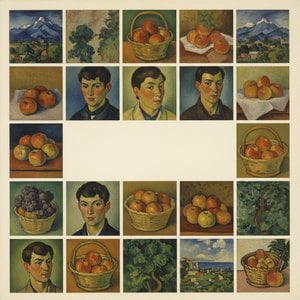
ポール・セザンヌの至高の25選。ポスト印象派を代表する画家、セザンヌの傑作と革新的な技法を紐解きます。WahooArtで高品質な複製画やインテリアアートを見つけ、芸術の世界をご自宅に。今すぐコレクションをご覧ください。

Discover the enchanting alchemy of Impressionism. Explore how the mastery of oil on canvas, through glazing and impasto, captures eternal light and emotion. Perfect for lovers of Monet and Van Gogh seeking the profound depth of hand-painted fine art.


 プレビュー
プレビュー
 シェアする
シェアする シェアする
シェアする
 詳細を見る
詳細を見る

 ダウンロード
 似ている作品
 X線調査
X線調査 スライドショー
 統計情報
統計情報


 詳細を見る
詳細を見る









 ガラスオプションは、110cm未満のサイズでのみご利用いただけます。


