
x


 Acrylic On CanvasWallArtImpressionism
 1865
1865 82.0 x 105.0 cm
 Art Institute of Chicago




























作品のオリジナル比率に合わせた、当店の規定サイズからお選びください。

特定のフレームやスペースに合わせて、ご希望のサイズをご入力いただけます。選択されたサイズが元の画像の比率と異なる場合、アートワークをトリミングするか、手描きで要素を追加して絵画を拡張いたします。デジタルモックアップ を制作し、制作開始前にご確認(承認)をいただきます。
画面上のプレビューは、実際のトリミングや拡張を正確に反映しているものではありません。最終的な構図は、モックアップによってのみ正確にご確認いただけます。
カスタムサイズもご利用いただけますが、元の比率を維持するためには、あらかじめ用意されたリストからサイズを選択することをお勧めいたします。

Landscape at Chailly
複製画のサイズ
Jean Frédéric Bazille’s “Landscape at Chailly,” painted in 1865, isn't merely a depiction of a Swiss hillside; it’s a distilled essence of Impressionist philosophy—a fleeting capture of light, atmosphere, and the profound connection between artist and subject. This work, now residing within the esteemed collection of The Art Institute of Chicago, offers a glimpse into Bazille’s artistic vision during a pivotal moment in the development of modern art, a time when painters were actively dismantling traditional academic conventions to embrace a more subjective and immediate experience of the world.
The scene unfolds with remarkable immediacy. A modest village nestles amongst rolling hills, bathed in the diffused glow of late afternoon sunlight. The composition is deceptively simple: a foreground of dry grasses and scattered rocks leads the eye towards a distant, hazy horizon. Yet, within this apparent stillness lies a dynamic interplay of color and light. Bazille masterfully employs broken brushstrokes—a hallmark of Impressionism—to render the shimmering surface of the grass, the subtle variations in tone across the hillsides, and the atmospheric haze that softens the distance. Notice how he doesn’t attempt to precisely define each element but rather suggests them through a vibrant dance of hues – ochres, greens, blues, and hints of violet all blending seamlessly together.
“Landscape at Chailly” was created during a period of intense artistic experimentation within Bazille’s close circle of friends, including Claude Monet, Alfred Sisley, and Pierre-Auguste Renoir. These artists, united by a shared desire to break free from the constraints of studio painting, embraced *en plein air*—working directly outdoors—to capture the ephemeral qualities of light and atmosphere. This commitment to direct observation profoundly shaped their artistic approach, leading them to prioritize sensory experience over meticulous detail.
Bazille’s connection to this group was particularly significant. He served as a crucial mediator between Monet and Renoir, often acting as a bridge between their individual styles. The painting reflects this collaborative spirit—a testament to the shared pursuit of capturing the fleeting beauty of nature. It's believed that Bazille painted this scene while accompanying his cousin, Thérèse des Hours, who is subtly integrated into the composition, her presence suggested rather than explicitly depicted.
Beyond its technical brilliance, “Landscape at Chailly” resonates with a quiet emotional depth. The hazy atmosphere evokes a sense of tranquility and solitude, while the warm sunlight imbues the scene with a feeling of optimism and hope. The composition itself—the receding lines of the hillsides drawing the eye towards the distant horizon—creates a powerful illusion of space and invites contemplation. Some art historians interpret the painting as a reflection of Bazille’s own melancholic temperament, suggesting that he sought solace in the beauty of nature amidst personal struggles.
The choice of Chailly itself is noteworthy. Located in Switzerland, it represents a departure from the urban landscapes often depicted by Impressionist painters. This shift towards rural settings reflects a broader trend among artists seeking inspiration in the natural world—a desire to reconnect with the fundamental elements of existence and capture their essence through art.
“Landscape at Chailly” stands as a quintessential example of Impressionist painting, embodying the movement’s core principles of capturing fleeting moments of light, atmosphere, and subjective experience. Bazille's masterful use of color, brushwork, and composition creates a work that is both visually stunning and emotionally resonant—a timeless testament to the power of art to transform our perception of the world. Reproductions of this piece offer a wonderful opportunity to bring this evocative scene into your home, allowing you to experience the beauty and tranquility of Chailly whenever you desire.


1841 - 1870 , フランス
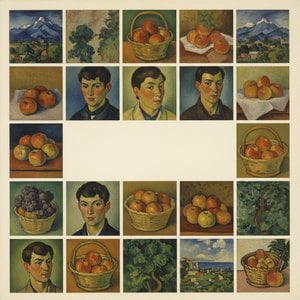
ポール・セザンヌの至高の25選。ポスト印象派を代表する画家、セザンヌの傑作と革新的な技法を紐解きます。WahooArtで高品質な複製画やインテリアアートを見つけ、芸術の世界をご自宅に。今すぐコレクションをご覧ください。

Explore the rich history of landscape art with WahooArt. Discover renowned artists, movements like Impressionism & Romanticism, and expert guidance for collecting timeless pieces. Find your perfect serene escape today!

Explore the rich history of landscape art with WahooArt. Discover renowned artists, movements like Impressionism & tonalism, and expert guidance for collecting timeless pieces. Find your perfect serene escape today!

Explore the rich history of trees in painting! Discover symbolism, Romantic masterpieces by Caspar David Friedrich & beyond. A curated journey for art enthusiasts.

ロマン派絵画の時代を彩る10選。巨匠たちの風景が織りなす感動の世界へ。ターナー、ルーベンスなど、名作の裏話と高精細複製でアートをお部屋に。WahooArt.comで至福のアート体験を。


最新の美術ニュース、限定オファー、そしてインテリアのアイデアをいち早くお届けします。
お客様のプロジェクトについてお聞かせください。当社の美術専門家が、お客様に合わせた3つのパーソナライズされた芸術提案をご提供いたします。
あなたにぴったりの3作品を無料で厳選いたします


 プレビュー
プレビュー
 プリントを購入
 シェアする
シェアする シェアする
シェアする
 詳細を見る
詳細を見る

 ダウンロード
 似ている作品
 X線調査
X線調査 スライドショー
 詳細を見る
詳細を見る









 ガラスオプションは、110cm未満のサイズでのみご利用いただけます。


